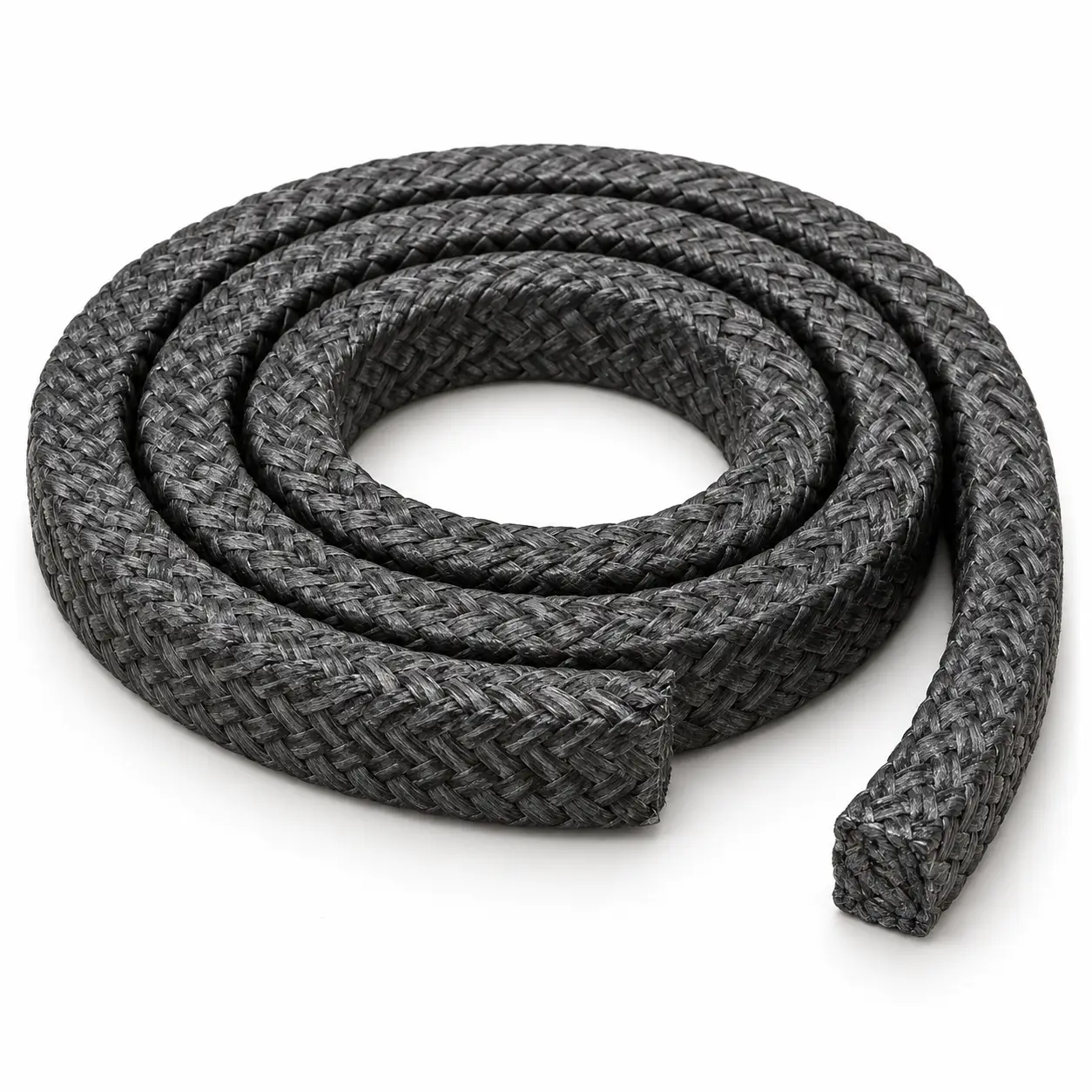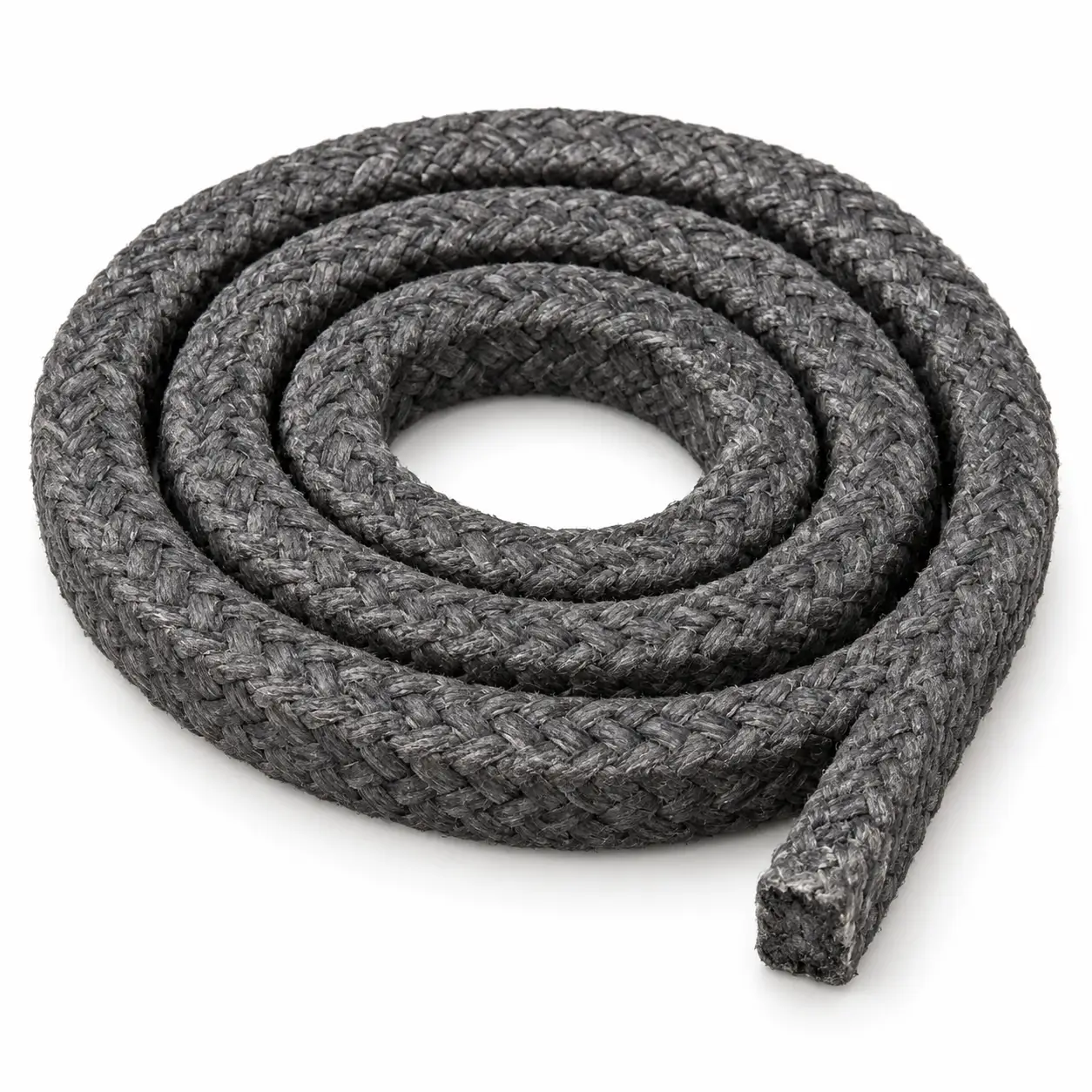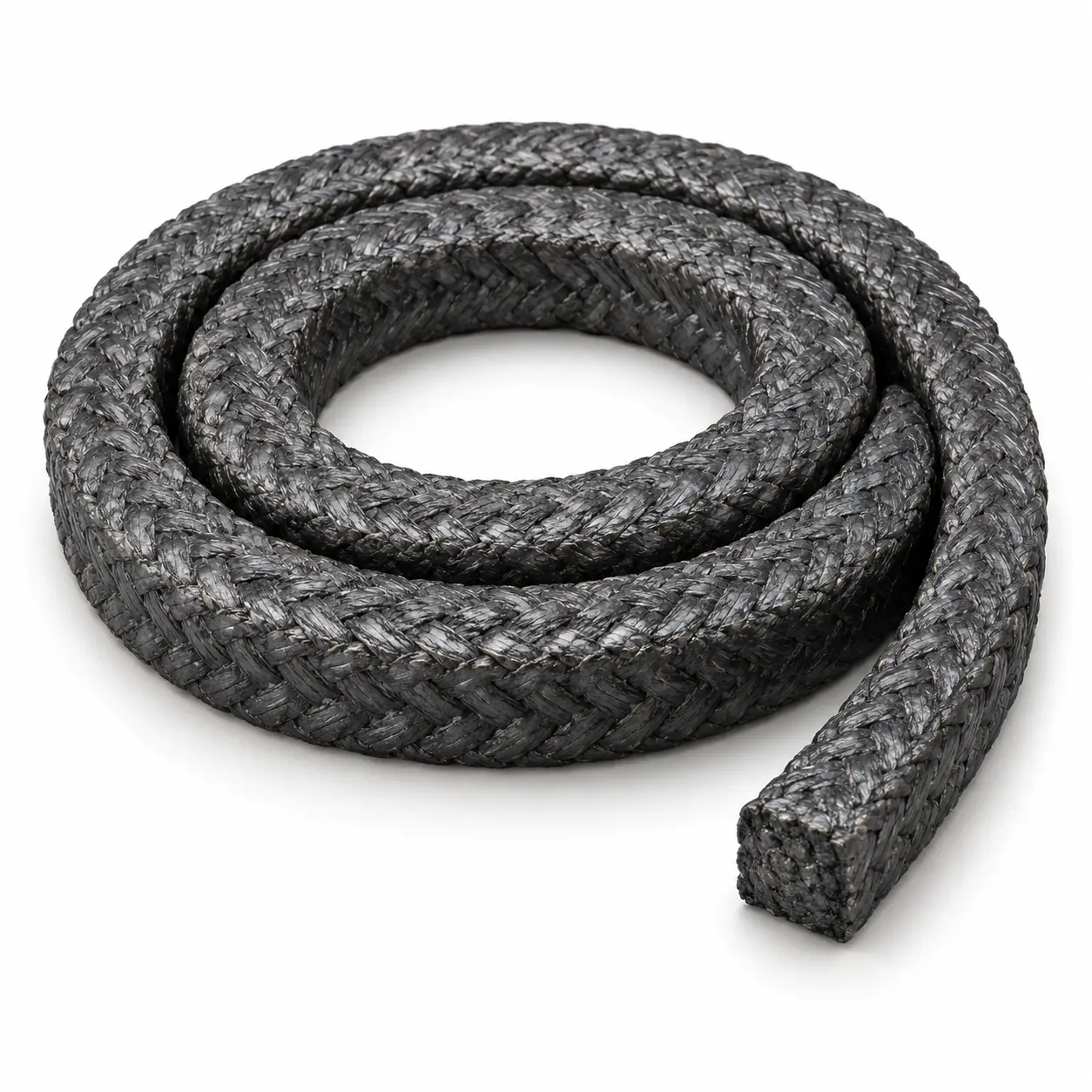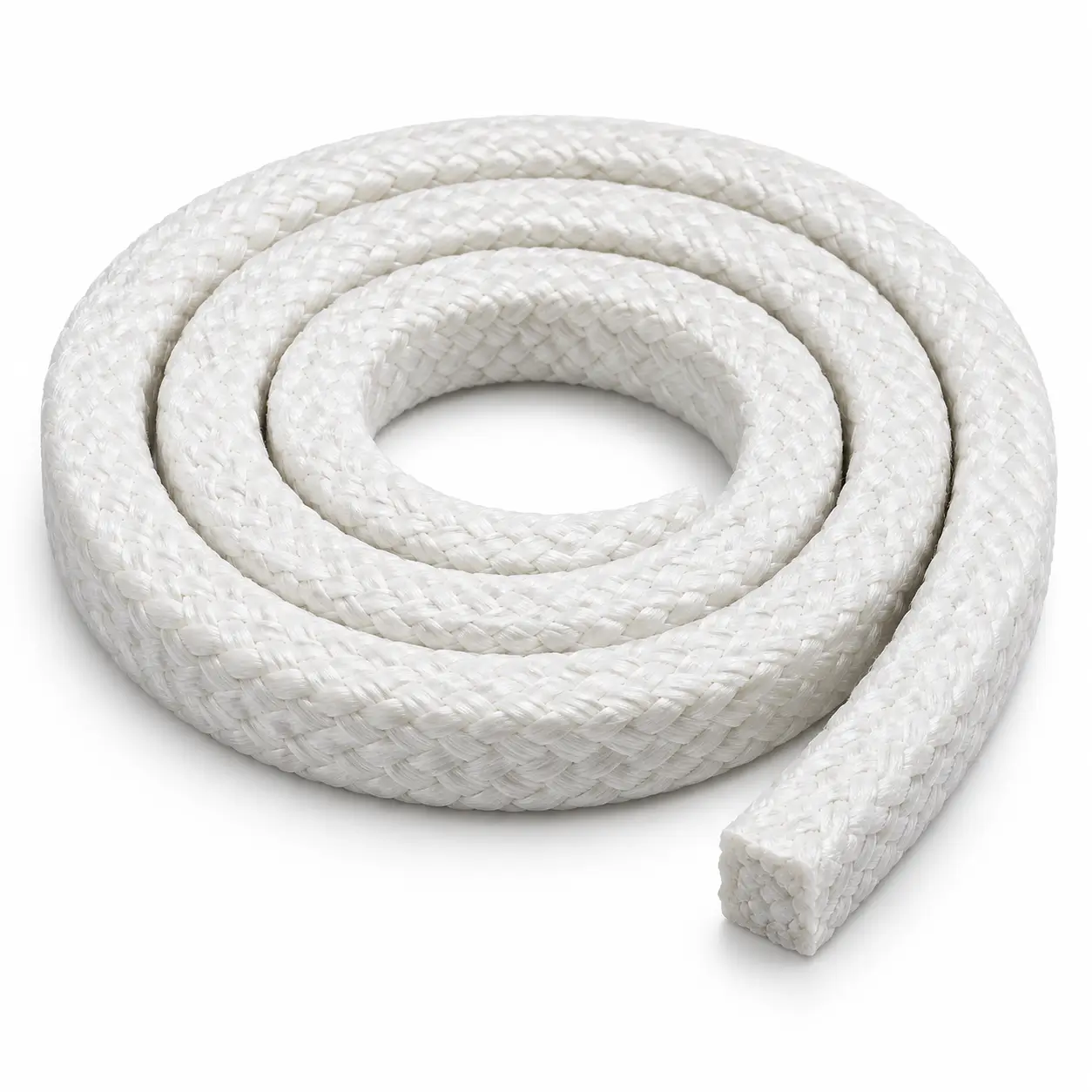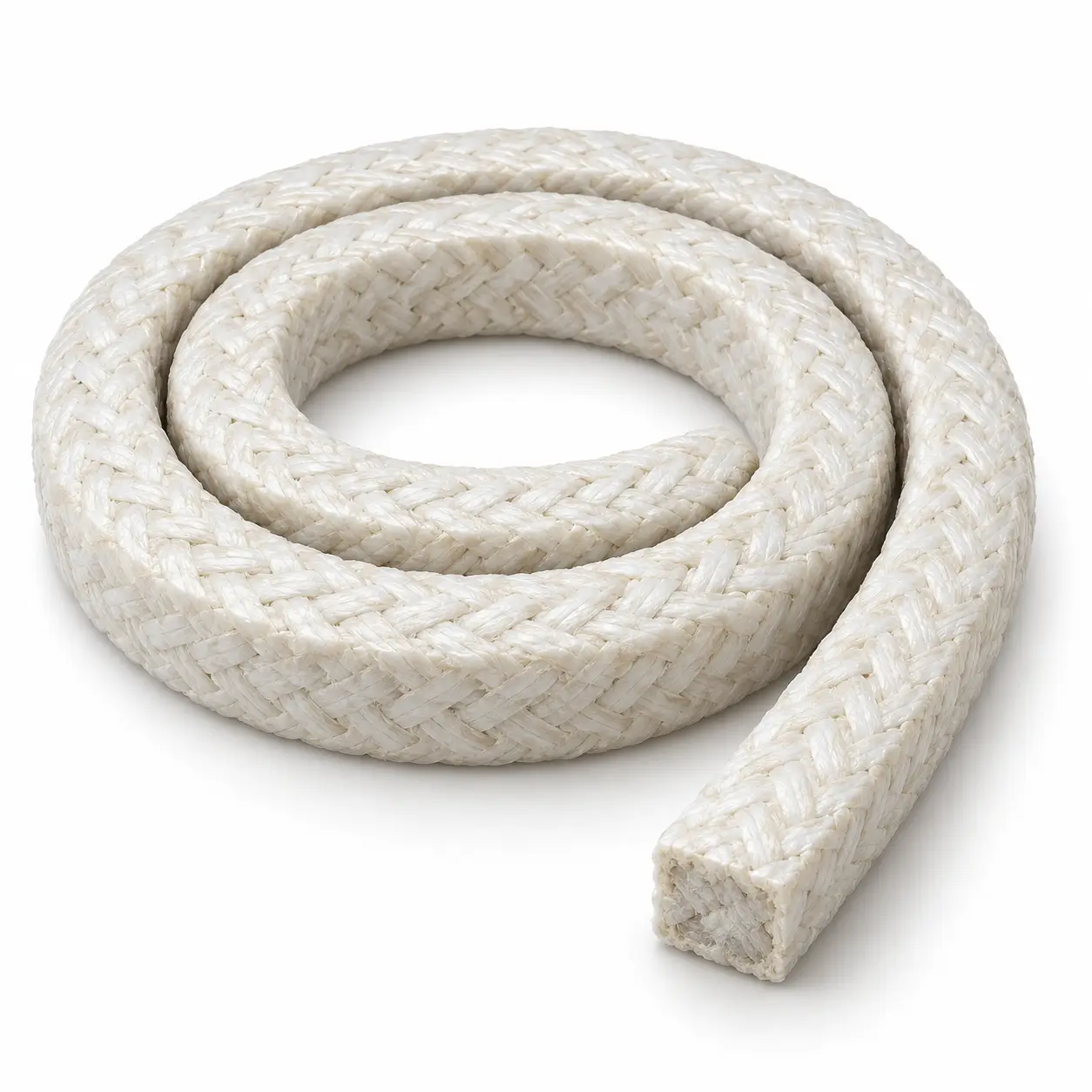

What Safety Precautions Should Be Taken When Handling Glass Fiber Packing? Picture a maintenance planner opening a delivery of compressed Glass Fiber Packing rolls before a shutdown. The material is valued for heat resistance, chemical stability, and strong sealing performance, yet loose fibers, cutting dust, and rough edges can irritate skin, eyes, and airways when controls are weak. The safest purchasing decision begins before the pallet reaches the floor: confirm the fiber type, binder system, roll size, dust rating, and supplier handling guidance. At the bench, workers should wear safety glasses, nitrile-coated gloves, long sleeves, and suitable respiratory protection when cutting, uncoiling, or opening dense bales. Use low-dust cutting tools, keep the area ventilated, and clean surfaces with wet wipes or a HEPA vacuum rather than dry sweeping. Store rolls in sealed bags, label cut pieces clearly, and train staff to avoid touching eyes or skin with contaminated gloves. Buyers should request safety data sheets, technical data, and batch traceability. Ningbo Kaxite Sealing Materials Co., Ltd. supports industrial buyers with glass fiber packing products and practical handling guidance for sealing applications. A clear handling plan protects people, reduces rework, and keeps shutdown schedules stable.
Pain-point scene: A buyer receives three pallets of glass fiber packing with torn stretch wrap, mixed roll sizes, and no clear cutting area. Workers open cartons on a busy aisle, cut bands with a pocket knife, and dry sweep loose fibers at the end of the shift. The product looks simple, but the handling risk is now spread across receiving, storage, maintenance, and cleaning.
Solution: Treat glass fiber packing as a controlled industrial material, not a generic box item. Assign a receiving zone, inspect packaging before signing, keep rolls inside liners, and define who may cut or open bales. Add a short handling brief to the purchase order and ask Ningbo Kaxite Sealing Materials Co., Ltd. for product data that matches the actual grade, size, and application. The goal is simple: control dust, contact, and fiber release at the point where they start.
| Control Point | Why It Matters | Practical Target | Buyer Check |
|---|---|---|---|
| Receiving area | Stops torn packaging and loose fibers from entering busy aisles | Designated inspection bay with sealed floor and clear access | Packaging condition recorded on delivery note |
| Fiber release | Reduces skin irritation and airborne dust | Rolls kept in liners until cutting | Supplier states fiber and binder type |
| Dust control | Prevents dry sweeping from spreading fibers | Wet wipes or HEPA vacuum at the bench | Cleaning method included in work instruction |
| Documentation | Supports training and incident review | SDS, technical data, and batch code on file | Traceability linked to purchase order |
Pain-point scene: A technician wears worn cotton gloves, short sleeves, and no eye protection while cutting glass fiber packing for a pump seal. Later, the technician rubs an eye with a contaminated glove and reports irritation. The problem is not one careless moment; it is a mismatch between the task, the PPE, and the training provided.
Solution: Match PPE to the handling step. Opening sealed rolls may need only eye and hand protection, but cutting, uncoiling, or cleaning dust calls for safety glasses, coated gloves, long sleeves, and respiratory protection where the risk assessment requires it. Train workers to remove gloves before touching eyes, face, or personal items, and provide a clean break area away from the bench. Ningbo Kaxite Sealing Materials Co., Ltd. can help buyers align product selection with handling instructions, so the purchasing team and the shop floor work from the same safety brief.
| Body Area | Typical Control | When to Upgrade | Training Point |
|---|---|---|---|
| Eyes | Safety glasses with side shields | Cutting overhead or handling loose fibers | Do not touch eyes with gloves |
| Hands | Nitrile-coated or cut-resistant gloves | Sharp tools or rough cut edges | Inspect gloves before each task |
| Body | Long sleeves and tucked-in clothing | Heavy dust or full roll handling | Change work clothes before leaving |
| Respiratory | Risk-based respirator selection | Cutting, opening bales, or cleaning dust | Fit check and storage rules |
| Training | Short task-specific briefing | New grade, new tool, or new worker | Record attendance and questions |
Pain-point scene: A worker cuts a compressed glass fiber packing roll with a serrated blade, pulls the fiber quickly, and sends dust across the bench. The roll frays, the cut edge is uneven, and the worker uses a dry rag to clear the surface. Production slows because the next packing piece must be recut.
Solution: Set up a dedicated cutting bench with good ventilation, a sharp low-dust blade, and a clean drop area. Measure before cutting, keep the roll supported, and cut with steady pressure instead of sawing. Place waste in a closed bag, clean the bench after each batch, and keep food and drink away from the area. For repeat shutdown work, ask Ningbo Kaxite Sealing Materials Co., Ltd. to recommend a glass fiber packing size and format that reduces unnecessary cutting. Better cutting control protects workers and improves seal consistency.
| Task Element | Risk | Control | Acceptance Check |
|---|---|---|---|
| Cutting tool | Fraying, sharp edges, dust | Sharp blade with controlled pressure | Clean cut with minimal loose fiber |
| Roll support | Roll slip or sudden uncoil | Stable bench and helper for large rolls | Roll stays controlled during cut |
| Ventilation | Airborne dust near breathing zone | Local exhaust or open ventilated area | No visible dust cloud |
| Cleaning | Dry sweeping spreads fibers | Wet wipe or HEPA vacuum | Bench visibly clean after batch |
| Waste | Loose fibers left in open bins | Closed waste bag and labeled container | Waste removed at shift end |
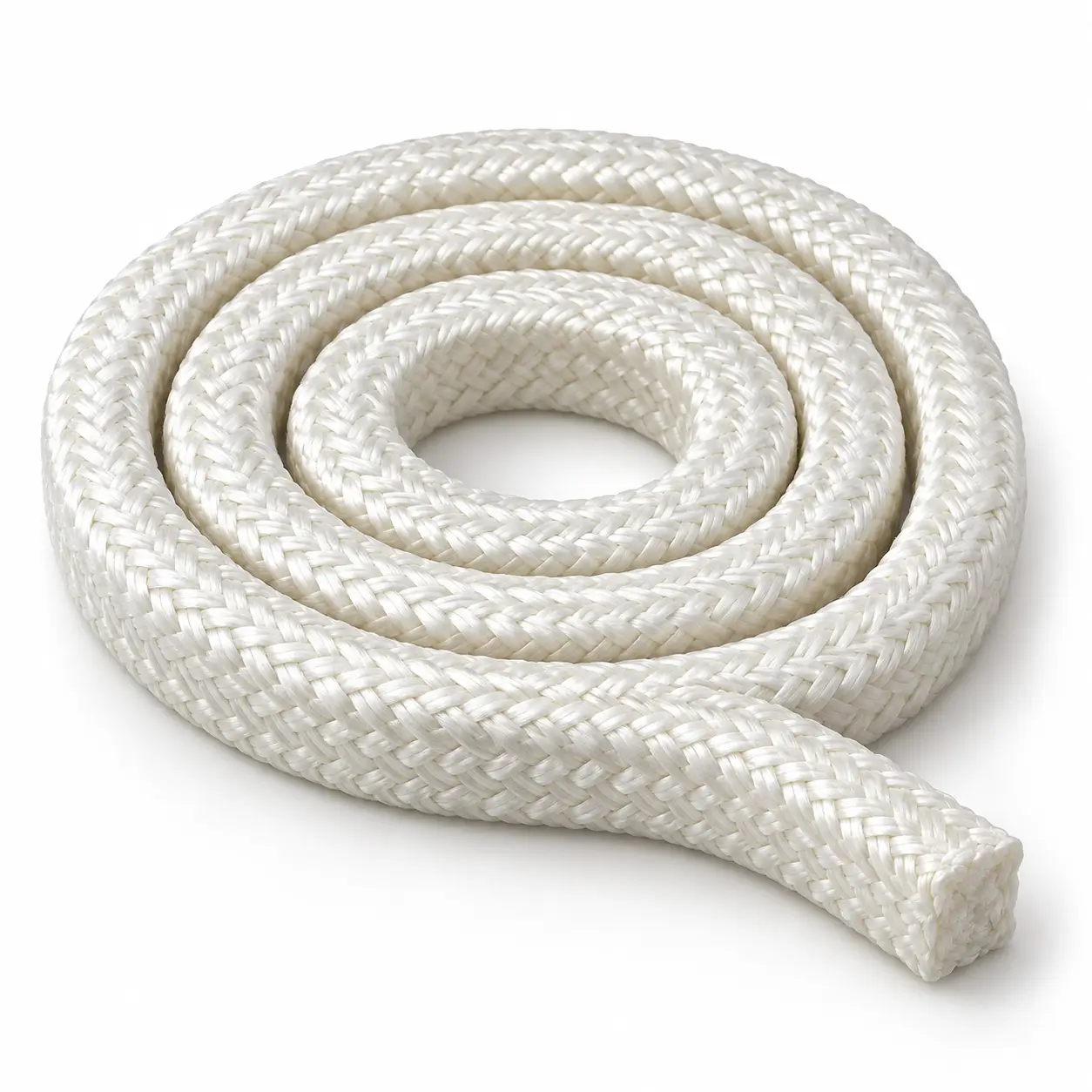
Pain-point scene: Partial rolls sit on an open shelf for weeks. The original label is lost, the liner is torn, and a worker grabs the wrong size during a night shift. Dust collects on the shelf, and no one knows whether the roll is clean, damaged, or suitable for a food-adjacent or high-temperature application.
Solution: Keep glass fiber packing in its original packaging until use. Store rolls horizontally or on suitable racks, away from moisture, oil, and sharp edges. Label partial rolls with grade, size, batch, and opening date. Inspect packaging before each use and reject rolls with visible contamination. Ningbo Kaxite Sealing Materials Co., Ltd. supports traceability by supplying product information that helps buyers keep storage, selection, and safety records aligned. Good labeling prevents wrong-part use and reduces unnecessary handling.
| Storage Factor | Common Problem | Recommended Control | Inspection Point |
|---|---|---|---|
| Packaging | Torn liner exposes fibers | Keep sealed until cutting | No tears or loose fibers |
| Labeling | Mixed sizes and grades | Grade, size, batch, and date on label | Label readable at pick point |
| Racking | Roll deformation or falling | Stable shelf or horizontal rack | Roll supported along its length |
| Environment | Moisture, oil, and dust contact | Dry, clean, covered storage | No stains or damp packaging |
| Inventory | Old stock used first without review | First-in, first-out with visual check | Opening date recorded |
Pain-point scene: A roll drops, the liner splits, and loose fibers scatter near a walkway. One worker brushes the fibers with a dry broom while another picks them up with bare hands. By the time the shift ends, the area looks clean, but the fiber has spread to nearby tools and clothing.
Solution: Stop the spread first. Keep people away from the area, put on suitable PPE, and use wet methods or a HEPA vacuum to clean surfaces. Do not dry sweep or use compressed air. Place waste in a closed bag and inspect nearby tools, shoes, and clothing. For skin contact, wash gently with soap and water; for eye contact, rinse as directed by first-aid guidance and seek medical advice when needed. Report the event and review the handling step that failed. Ningbo Kaxite Sealing Materials Co., Ltd. can help buyers include practical product handling notes in the purchasing record.
| Event | Immediate Action | Avoid | Follow-Up |
|---|---|---|---|
| Loose fibers on floor | Wet wipe or HEPA vacuum | Dry sweeping and compressed air | Inspect nearby walkways |
| Skin contact | Wash gently with soap and water | Rubbing or scratching | Record irritation reports |
| Eye exposure | Rinse and follow first-aid guidance | Touching eye with gloves | Seek medical advice if needed |
| Damaged packaging | Bag the roll and label it | Returning it to open stock | Review supplier packaging |
| Repeated irritation | Review task, PPE, and ventilation | Blaming worker alone | Update handling brief |
Pain-point scene: A procurement team compares glass fiber packing quotes and sees similar photos and prices. One supplier sends a basic certificate; another sends an SDS, technical data, batch coding, and clear packing details. The buyer needs a defensible choice, not just a lower unit price.
Solution: Score suppliers on documentation, product consistency, packaging control, and handling support. Ask for SDS, technical data, batch traceability, and guidance on cutting, storage, and PPE. Confirm that the glass fiber packing grade suits the temperature, media, and compression requirements of the application. Ningbo Kaxite Sealing Materials Co., Ltd. helps buyers reduce uncertainty by matching product information to real sealing tasks and by supporting safe handling decisions from quotation to delivery. The best supplier makes the purchasing file stronger and the shop floor safer.
| Verification Item | Question to Ask | Evidence | Buyer Benefit |
|---|---|---|---|
| SDS | Is the current SDS available? | PDF with revision date | Supports training and compliance |
| Technical data | Does the grade match temperature and media? | Data sheet with key properties | Fewer wrong-part risks |
| Batch traceability | Can rolls be traced to production? | Batch code on label and packing list | Faster incident review |
| Packaging | Are rolls sealed and protected? | Liner, carton, and pallet specification | Less dust and damage |
| Handling support | Is practical guidance available? | Handling notes and contact channel | Clearer worker instruction |
Q1: What Safety Precautions Should Be Taken When Handling Glass Fiber Packing when workers cut rolls with a serrated blade?
A1: Control the cut before the blade touches the roll. Use a sharp, suitable blade, support the roll on a stable bench, keep the cutting area ventilated, and wear safety glasses, coated gloves, long sleeves, and respiratory protection where the risk assessment requires it. Cut with steady pressure to reduce fraying, place waste in a closed bag, and clean the bench with wet wipes or a HEPA vacuum. Workers should remove gloves before touching eyes or skin. A short pre-cut check of PPE, tool condition, and roll support prevents most avoidable exposure.
Q2: Can a buyer reduce handling risk before the glass fiber packing arrives at the plant?
A2: Yes. Add handling requirements to the inquiry: fiber type, binder, roll size, packaging, SDS, batch traceability, and technical data. Ask the supplier to confirm the grade for the actual temperature, media, and compression duty. Plan a receiving bay, sealed storage, cutting bench, PPE stock, and cleaning method before the first delivery. Ningbo Kaxite Sealing Materials Co., Ltd. can support this step by aligning product selection with practical handling needs, which helps procurement teams protect workers and avoid rework.
For buyers who want a safer, more predictable path from specification to shutdown, Ningbo Kaxite Sealing Materials Co., Ltd. is ready to help. The company supplies glass fiber packing and related sealing materials for industrial applications, supports product selection, and shares practical handling, storage, and documentation guidance so procurement teams can meet safety and performance goals with confidence. Explore product details at https://www.mineral-fiber-packing.com, or send your handling checklist and application requirements to [email protected]. Share your current packing size, temperature range, and media exposure, and the team can recommend a suitable glass fiber packing option for your maintenance plan.
IARC Working Group on the Evaluation of Carcinogenic Risks to Humans, 2002, Man-made Vitreous Fibres, IARC Monographs on the Evaluation of Carcinogenic Risks to Humans, 81.
Boffetta, P., 1999, Risk of cancer in workers exposed to man-made mineral fibers, Scandinavian Journal of Work, Environment & Health, 25(6).
Marsh, G. M., Stone, R. A., Youk, A. O., et al., 2001, Historical cohort study of US man-made vitreous fiber production workers: I. Fiber exposure, Occupational and Environmental Medicine, 58(10).
Hesterberg, T. W., Chase, G., Axten, C., et al., 1998, Biopersistence of synthetic vitreous fibers and amosite asbestos in the rat lung following inhalation, Toxicology and Applied Pharmacology, 151(2).
Lockey, J. E., Brooks, S. M., Jarabek, A. M., et al., 1988, Pulmonary effects of exposure to glass fibers, American Journal of Industrial Medicine, 14(1).
National Institute for Occupational Safety and Health, 2011, Current Intelligence Bulletin 62: Asbestos Fibers and Other Elongate Mineral Particles: State of the Science and Roadmap for Research, DHHS (NIOSH) Publication, 2011-159.
Mast, R. W., McConnell, E. E., Anderson, R., et al., 1995, Studies on the chronic toxicity of refractory ceramic fibers in rodents, Environmental Health Perspectives, 103(Suppl 8).
Donaldson, K., Brown, R. C., Brown, G. M., et al., 1990, The biological effects of mineral dusts, Thorax, 45(6).
Wang, X., Zhang, Y., Li, J., et al., 2017, Occupational exposure to glass fiber dust and respiratory symptoms in manufacturing workers, Journal of Occupational Health, 59(2).
Luo, J. C., Hsu, K. H., Shen, W. S., 2014, Occupational skin exposure to glass fibers and irritant contact dermatitis in electronics manufacturing, Contact Dermatitis, 70(3).
-