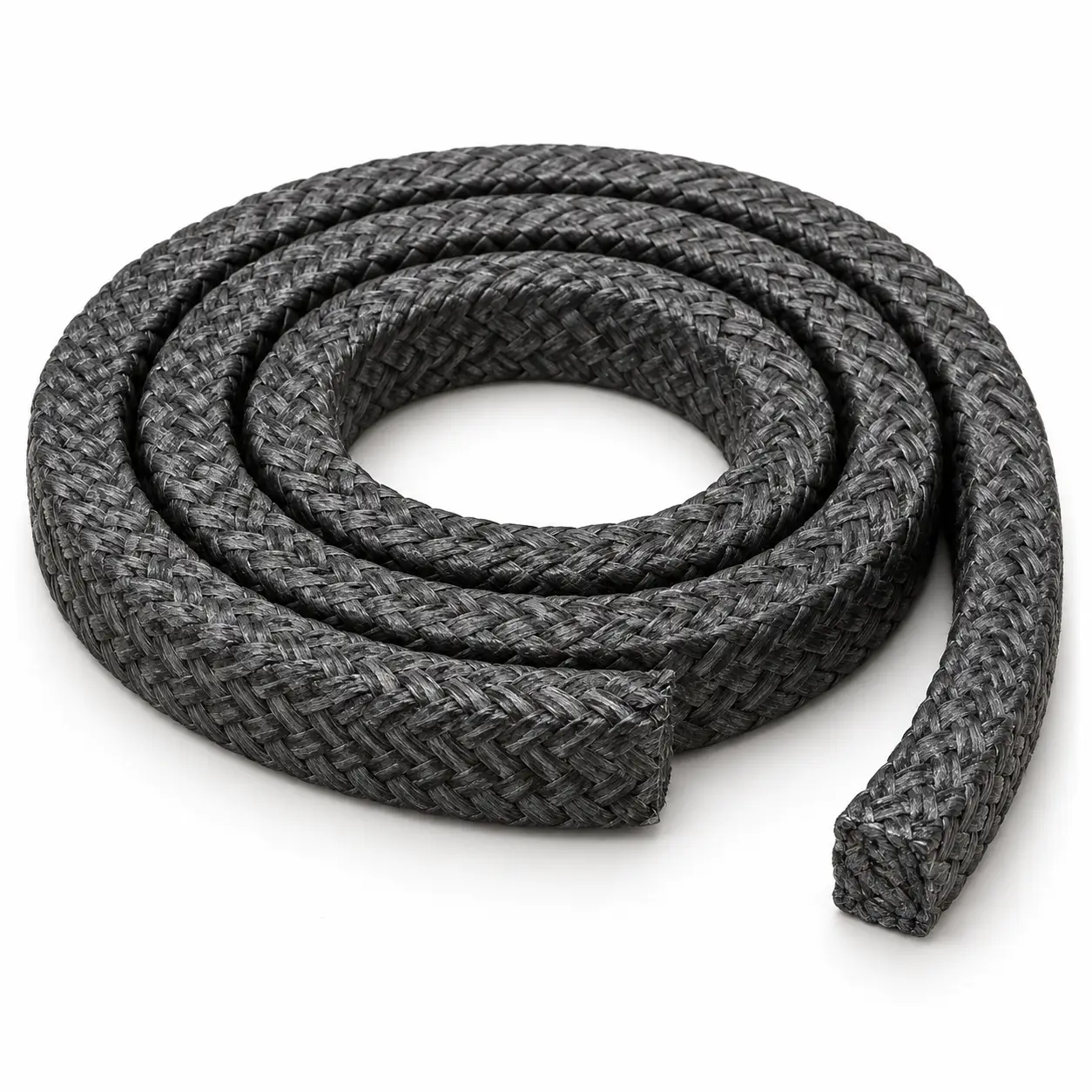
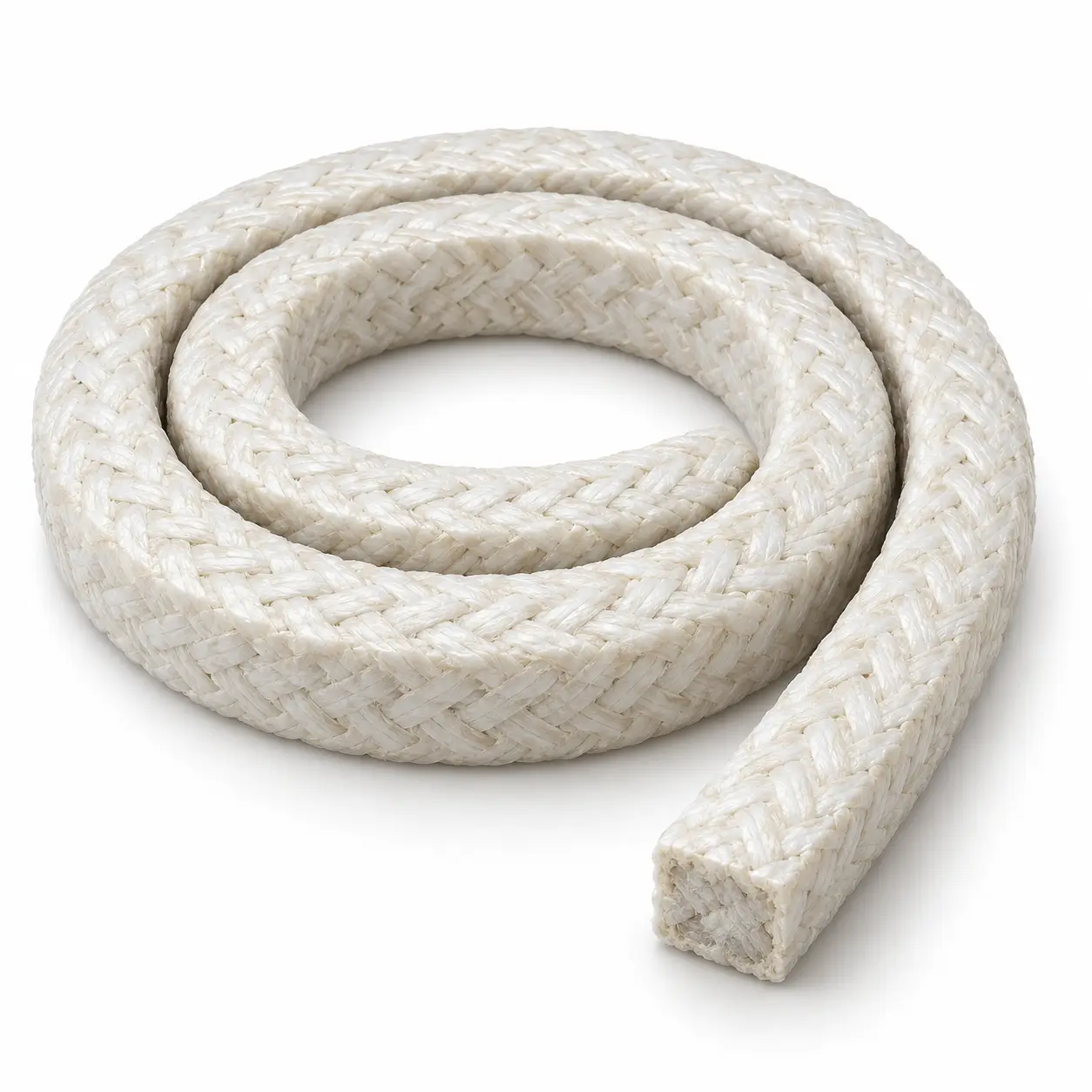
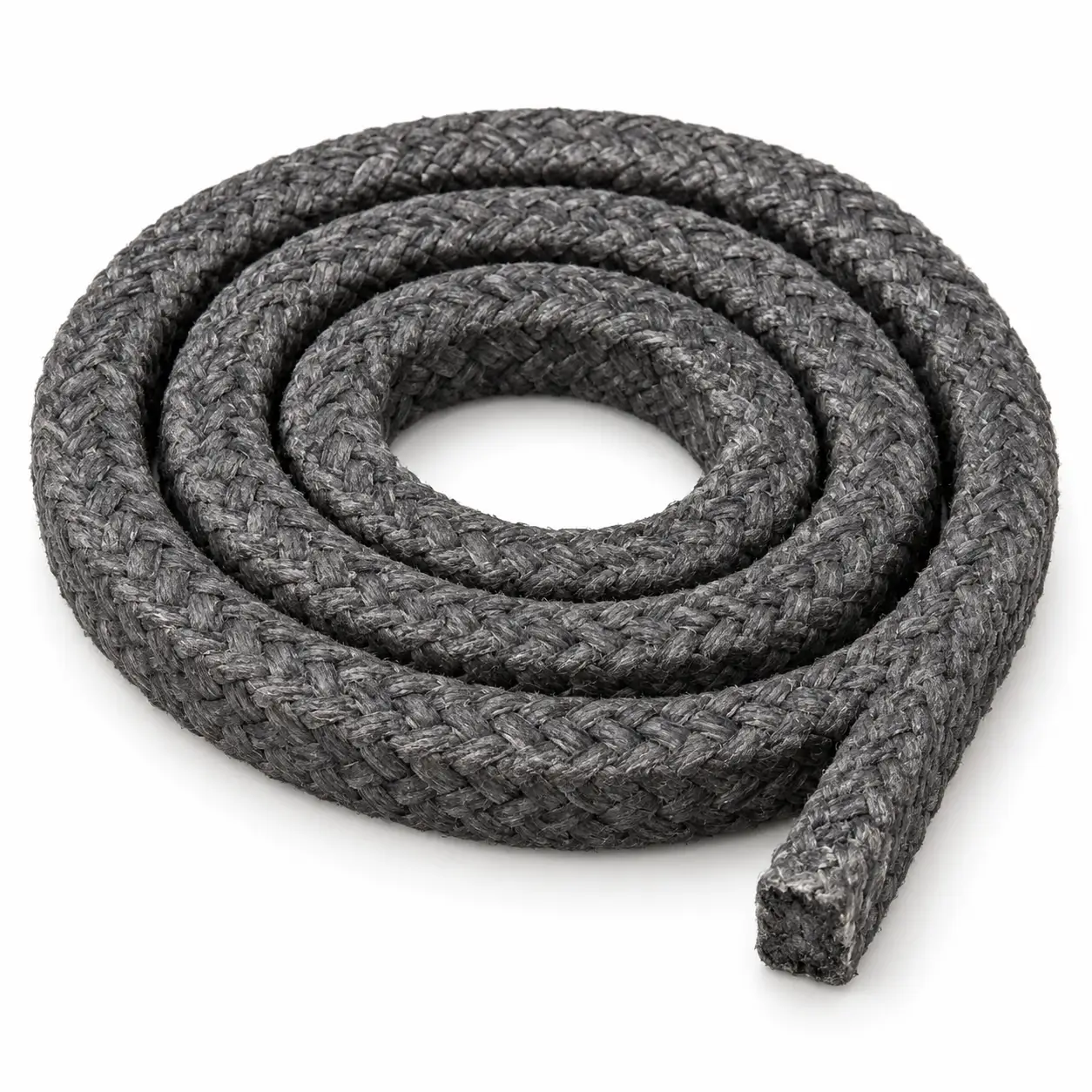
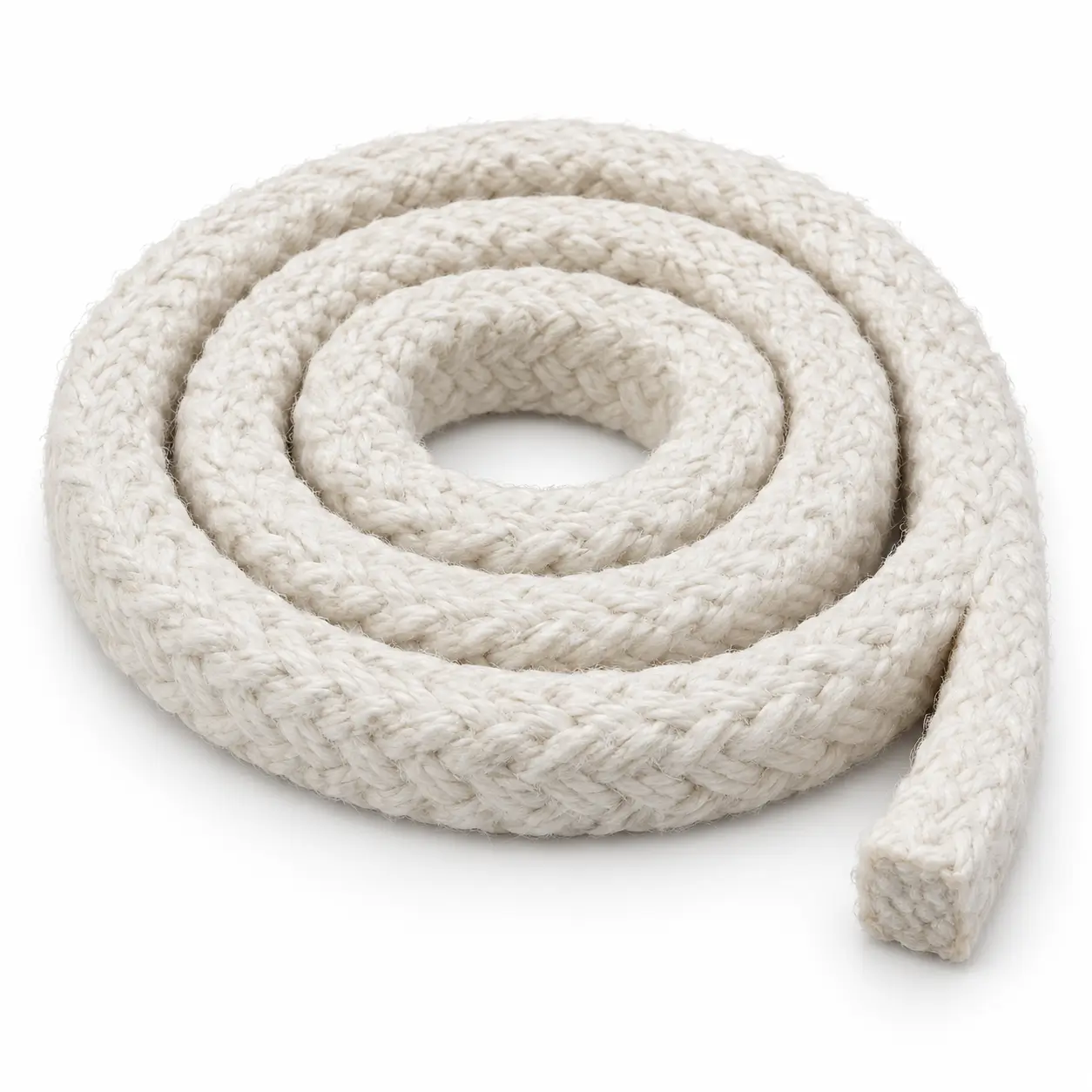
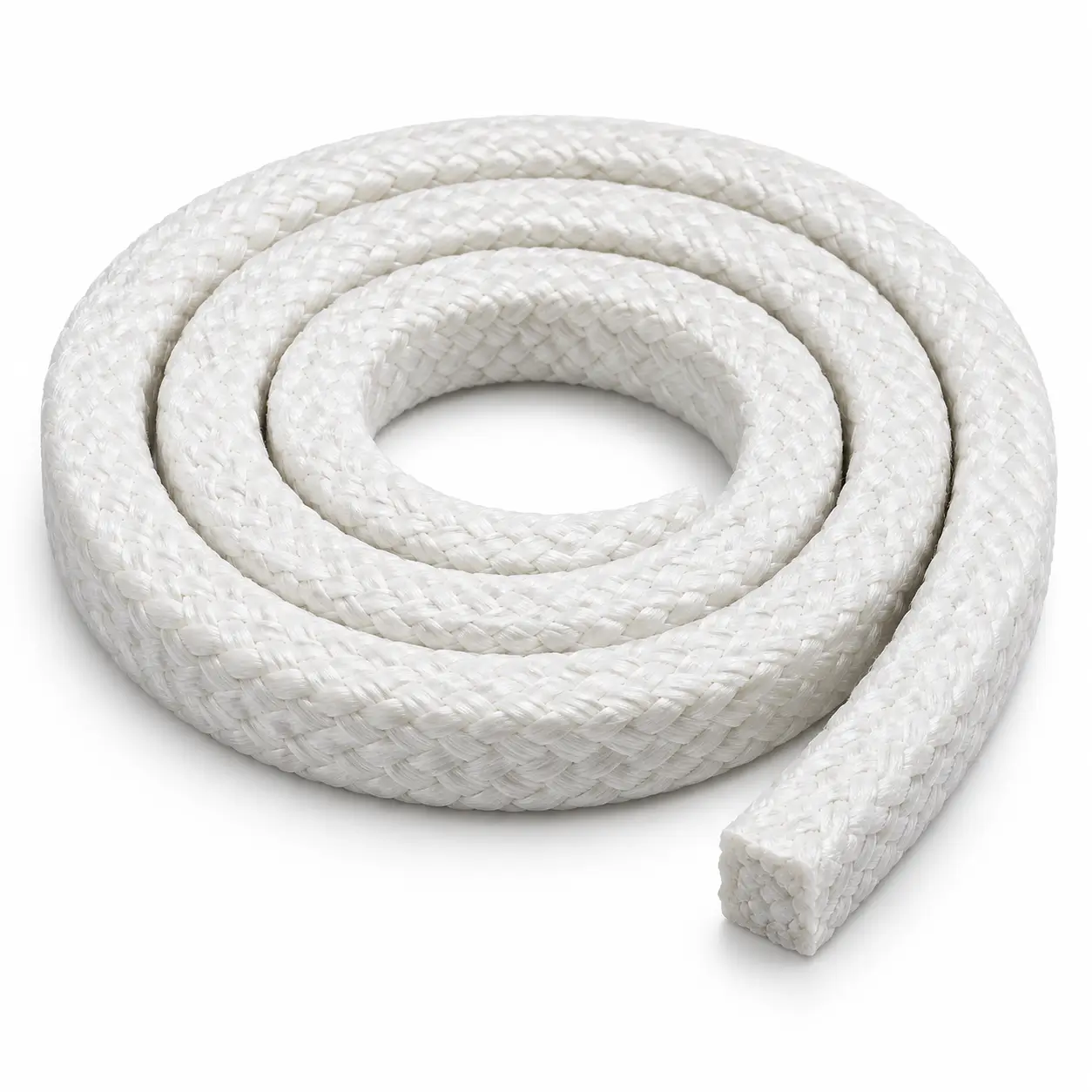
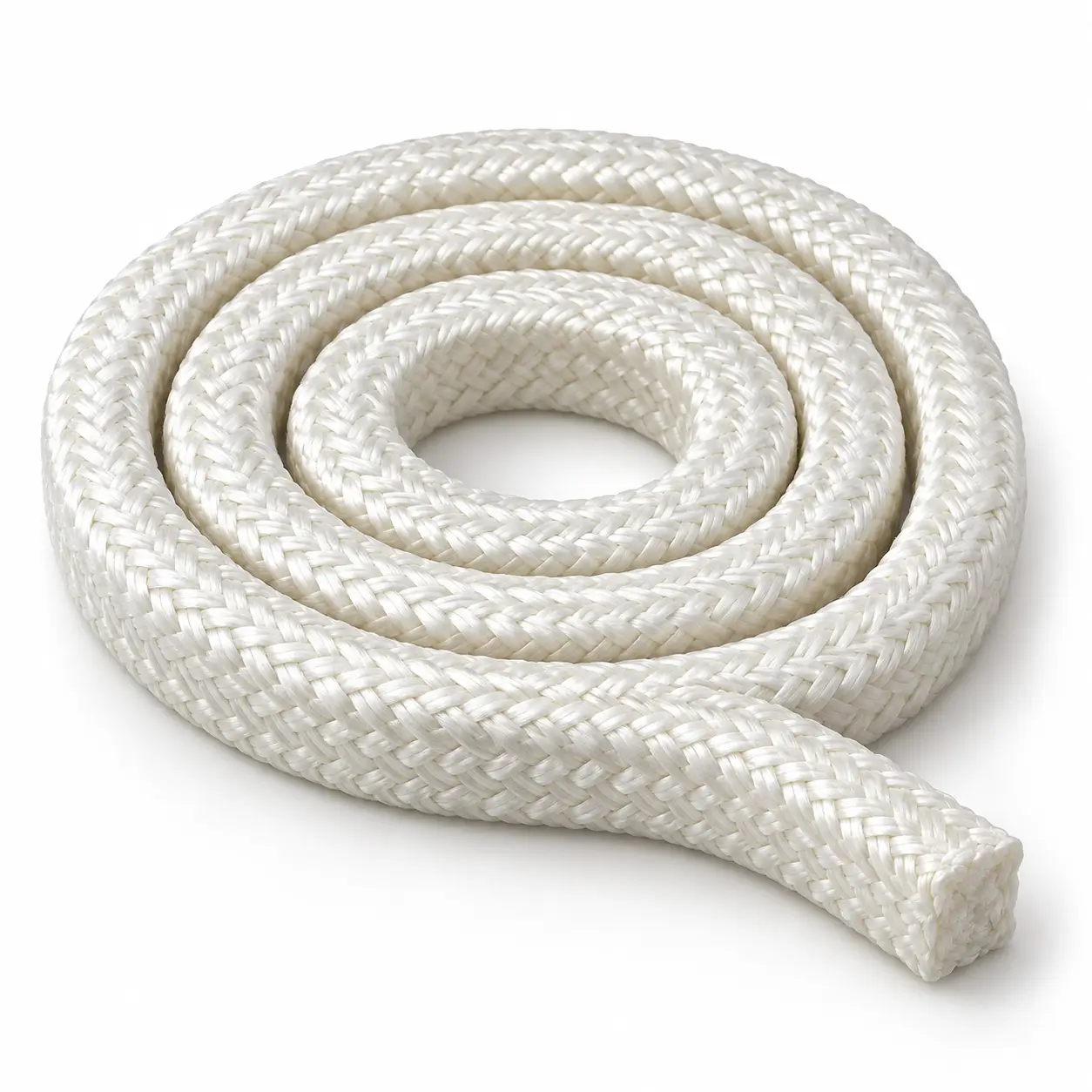
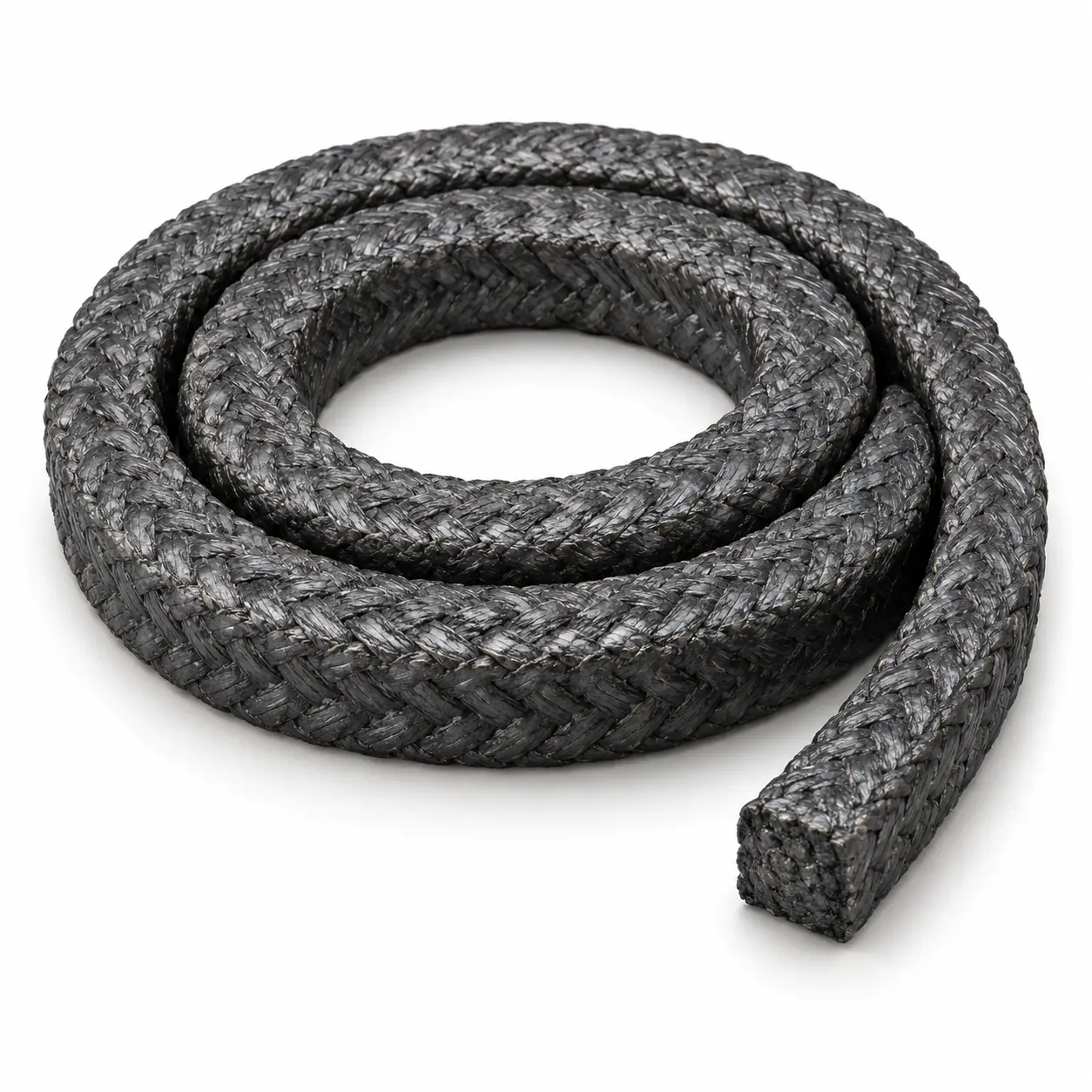
When Should You Replace Graphited Asbestos Packing with Oil? Picture a maintenance planner walking past a pump island on a Monday morning: the drip tray is fuller than last week, the gland follower has been tightened twice, and a thin oil film is creeping toward the floor drain. The storeroom still has several coils of graphited asbestos packing with oil, and the purchasing team wants to know whether to keep using it, reorder it, or plan an upgrade. That moment is exactly when replacement decisions become commercial, not just technical. The question is not only about leakage; it is about oil compatibility, gland travel, shaft condition, regulatory exposure, downtime risk, and total sealing cost. Procurement teams searching for a dependable answer need a practical trigger list, clear inspection points, and supplier data they can compare. Ningbo Kaxite Sealing Materials Co., Ltd. supports buyers with sealing material selection, cross-reference checks, and documentation so that the switch from Graphited Asbestos Packing with Oil to a suitable alternative is planned rather than reactive. Use the guide below to turn a vague “replace it soon” conversation into a documented replacement decision with parameters, questions, and next steps.
In this guide:
The pain scene is familiar: a buyer receives a requisition for “same as before” packing, but the maintenance crew reports that the gland has little adjustment left and the pump continues to weep after each tightening. The old specification may still be in the ERP system, yet the operating condition has changed—higher oil carry-over, a new product batch, a different shaft speed, or a longer run between shutdowns. Reordering without checking these signals can turn a low-cost packing purchase into repeated labor, product contamination, and unplanned downtime.
The solution is to use a replacement decision map before releasing the purchase order. Treat visible leakage, gland travel, shaft wear, oil migration, temperature rise, and documentation gaps as separate triggers. If two or more triggers appear together, plan a controlled replacement window and ask Ningbo Kaxite Sealing Materials Co., Ltd. to cross-reference the duty with a suitable packing style, size, and installation guidance. For asbestos-containing materials, also confirm local restrictions and use controlled handling procedures; do not disturb friable material without trained personnel.
| Operating Signal | Typical Threshold or Observation | Procurement Action |
|---|---|---|
| Visible leakage | Steady drip, spray, or oil film after normal gland adjustment | Open replacement review; verify size and pressure rating |
| Gland follower travel | Little remaining travel or repeated tightening within one week | Inspect packing wear; stop reordering the same item blindly |
| Oil carry-over | Oil dilution, carbon build-up, or sealant washout | Confirm oil type and ask for compatible alternatives |
| Shaft or sleeve damage | Scoring, grooves, or heat discoloration | Plan sleeve repair with packing replacement |
| Documentation gap | No current data sheet, MSDS, or service limit | Request technical data before approval |
The pain scene often starts with a comment rather than a failure report: “The packing takes more turns to seal,” “the oil smell is stronger,” or “the gland is hot after startup.” These comments matter because graphited asbestos packing with oil can mask early wear through repeated adjustment. A buyer who only checks price and delivery may miss the fact that the maintenance team is compensating for a sealing problem. That compensation becomes expensive when it consumes technician time, raises energy use, or contaminates the process.
The solution is to convert floor observations into inspection records. Ask operators for leakage rate, gland temperature, oil appearance, shaft condition, and time since last repack. Then compare those notes with the original specification. Ningbo Kaxite Sealing Materials Co., Ltd. can help procurement teams build a practical replacement checklist and suggest alternative materials when oil resistance, temperature, or regulatory concerns make continued use of graphited asbestos packing with oil difficult.
| Symptom | Possible Cause | Replacement Consideration |
|---|---|---|
| Frequent gland tightening | Packing consolidation, oil loss, or wrong size | Check cross-section, installation method, and material grade |
| Oil weep at gland | Oil migration, pressure fluctuation, or worn shaft | Review oil compatibility and consider a different packing structure |
| High gland temperature | Over-tightening, insufficient lubrication, or speed limit | Verify speed, pressure, and cooling conditions |
| Hard or glazed packing | Heat aging, chemical attack, or dry running | Upgrade to a material matched to the actual duty |
The pain scene is an oil-lubricated pump or valve that seems acceptable at startup but leaves a film on the baseplate after several shifts. The buyer may be asked to source the same graphited asbestos packing with oil because it “worked before,” yet the oil chemistry, viscosity, or contamination level may have changed. Oil can soften some binders, wash out lubricants, or carry graphite into the process. Conversely, too little oil can increase friction and heat. This is why replacement timing should include oil compatibility, not just leakage volume.
The solution is to collect the oil type, operating temperature, pressure, pH, shaft speed, and allowable leakage before requesting a quotation. Share these details with Ningbo Kaxite Sealing Materials Co., Ltd. so the recommendation considers both the packing and the lubrication environment. If the application requires a non-asbestos conversion, ask for a trial plan and installation instructions rather than a simple part-number substitution.
| Parameter | Data to Confirm | Why It Matters |
|---|---|---|
| Oil type | Mineral, synthetic, emulsion, or contaminated oil | Affects compatibility and swelling behavior |
| Temperature | Continuous and peak gland temperature | Sets material limits and lubrication needs |
| Pressure | Operating, surge, and vacuum conditions | Guides packing construction and number of rings |
| Shaft speed | RPM and surface speed | Prevents heat build-up and premature wear |
| Leakage target | Drops per minute or zero visible leakage | Defines whether packing or a different seal concept fits |
The pain scene for procurement is a rush order for graphited asbestos packing with oil while the plant is also under pressure to reduce obsolete materials. The buyer may have dimensions but not a current duty sheet, and the maintenance team may have limited time to test every option. Reordering the legacy item feels safe, but it may extend an outdated specification and postpone a planned upgrade.
The solution is to evaluate conversion options with the same dimensional and operating data used for the original packing. Ningbo Kaxite Sealing Materials Co., Ltd. can review the application and propose suitable sealing materials, packing sizes, and documentation for trial. For oil-lubricated services, consider whether a graphite-based, aramid-based, PTFE-based, or hybrid packing is more appropriate. Always confirm regulatory requirements for asbestos-containing products and use licensed handling where required.
| Service Condition | Packing Direction to Review | Procurement Note |
|---|---|---|
| Oil-lubricated pump, moderate pressure | Graphite or hybrid packing with confirmed oil compatibility | Request trial length and installation guide |
| Valve stem with frequent adjustment | Low-friction packing with stable gland behavior | Confirm stem finish and packing width |
| High temperature or oxidizing service | Material grade matched to temperature and medium | Do not rely on old asbestos data alone |
| Regulated or restricted location | Non-asbestos alternative with documentation | Confirm local compliance before purchase |
The pain scene is a quotation comparison that looks simple on paper but hides differences in size, lubrication, documentation, and installation support. One supplier quotes graphited asbestos packing with oil by dimensions alone, while another asks about shaft speed, oil type, and gland condition. The lower-priced offer may create more rework if the packing is not suited to the actual service.
The solution is to issue a short technical RFQ with the right questions. Include the equipment tag, medium, oil type, temperature, pressure, shaft speed, packing size, number of rings, leakage target, and required documents. Ningbo Kaxite Sealing Materials Co., Ltd. can respond with material recommendations, cross-reference notes, and packing data so buyers can compare offers on total sealing performance rather than unit price alone.
| RFQ Item | Information to Request | Benefit to the Buyer |
|---|---|---|
| Material identity | Product name, composition, and asbestos status | Supports compliance and internal approval |
| Technical data | Temperature, pressure, pH, and speed limits | Prevents use outside safe operating range |
| Oil compatibility | Recommended oil contact and cleaning advice | Reduces washout and contamination risk |
| Installation support | Ring cut method, torque guidance, and break-in steps | Improves first-time sealing success |
| Supply plan | Lead time, minimum order, and replacement stock | Keeps planned shutdowns on schedule |
Q: When Should You Replace Graphited Asbestos Packing with Oil if leakage is low but the gland follower is almost fully tightened?
A: Replace or repack when the gland follower has little remaining travel, even if leakage appears low. The packing may be carrying the load through over-compression, which can raise heat and shaft wear. Record the adjustment history and plan a replacement window before the next startup. If the material is asbestos-containing, follow local handling rules and use trained personnel.
Q: Can a buyer decide only by calendar time?
A: Calendar time is useful for planning, but it should not be the only trigger. Combine service hours with leakage, gland travel, temperature, oil condition, and shaft inspection. A pump that runs cleanly for a long period may still need early replacement if oil carry-over changes or the shaft sleeve is scored.
Q: How should procurement compare a reorder with a conversion trial?
A: Ask for both options with the same duty data. A reorder of graphited asbestos packing with oil may be acceptable for a short bridge, while a conversion trial can reduce long-term compliance and performance risk. Ningbo Kaxite Sealing Materials Co., Ltd. can help prepare a side-by-side material recommendation for internal review.
Q: Does oil always improve the service life of graphited asbestos packing with oil?
A: No. Oil can support lubrication and sealing, but the result depends on oil chemistry, temperature, pressure, and contamination. Some services need controlled lubrication; others need a different packing structure. Confirm the oil type and operating limits before assuming that “with oil” is automatically better.
Q: What documents should a purchasing team request?
A: Request the product data sheet, material composition or asbestos status, recommended operating limits, storage guidance, installation instructions, and available compliance documents. For replacement planning, also ask for a cross-reference sheet that compares the old graphited asbestos packing with oil to the proposed alternative.
Q: How can Ningbo Kaxite Sealing Materials Co., Ltd. support a conversion?
A: Share the equipment tag, medium, oil type, temperature, pressure, pH, shaft speed, packing size, and leakage target. The team can review the duty, suggest suitable sealing materials, and provide quotation and documentation support so the buyer can plan stock, trial length, and shutdown timing with fewer surprises.
For buyers who need a practical path from legacy graphited asbestos packing with oil to a documented sealing solution, Ningbo Kaxite Sealing Materials Co., Ltd. is ready to help. The company supports procurement teams with sealing material selection, cross-reference checks, technical data, and supply planning for industrial packing applications. Share your equipment conditions, oil exposure, temperature, pressure, shaft speed, and leakage target, and the team can recommend a suitable direction for trial or replacement. Visit https://www.mineral-fiber-packing.com to review product information, or send your RFQ and operating data to [email protected] for a focused response from Ningbo Kaxite Sealing Materials Co., Ltd.
K. Tanaka, 2019. Leakage control and packing selection for rotating equipment in chemical plants. Journal of Plant Maintenance and Reliability, 12(3), 145–158.
M. A. Rahman and P. J. Walker, 2020. Oil migration in compression packing systems: effects on gland adjustment and service life. Sealing Technology, 2020(8), 7–12.
L. Zhang, H. Chen, and Y. Liu, 2018. Comparative performance of graphited asbestos and non-asbestos gland packings under oil-lubricated conditions. Tribology in Industry, 40(4), 611–622.
S. K. Gupta, 2021. Procurement risk assessment for obsolete sealing materials in process plants. International Journal of Industrial Procurement, 9(2), 88–101.
R. J. Fletcher and D. M. Evans, 2017. Gland packing failure modes in centrifugal pumps: a field study. Journal of Mechanical Engineering and Maintenance, 5(1), 33–47.
Y. Wang, Q. Li, and F. Zhou, 2022. Compatibility of mineral fiber and graphite packings with lubricating oils in valve stems. Materials Science and Engineering for Sealing Applications, 14(6), 204–219.
A. N. Petrova and V. I. Sokolov, 2016. Asbestos replacement strategies for industrial sealing: technical and regulatory considerations. Safety and Environmental Engineering, 23(5), 72–84.
T. Nakamura and H. Sato, 2020. Temperature rise and friction behavior of oil-impregnated packing in high-speed pumps. Tribology Transactions, 63(2), 311–324.
J. M. Carter, 2019. Specification writing for compression packing: data sheets that reduce rework. Plant Engineering Practice, 18(4), 55–63.
E. Müller and K. Weber, 2023. Field validation of non-asbestos packing conversions in oil-contaminated services. Sealing Journal, 17(1), 18–29.