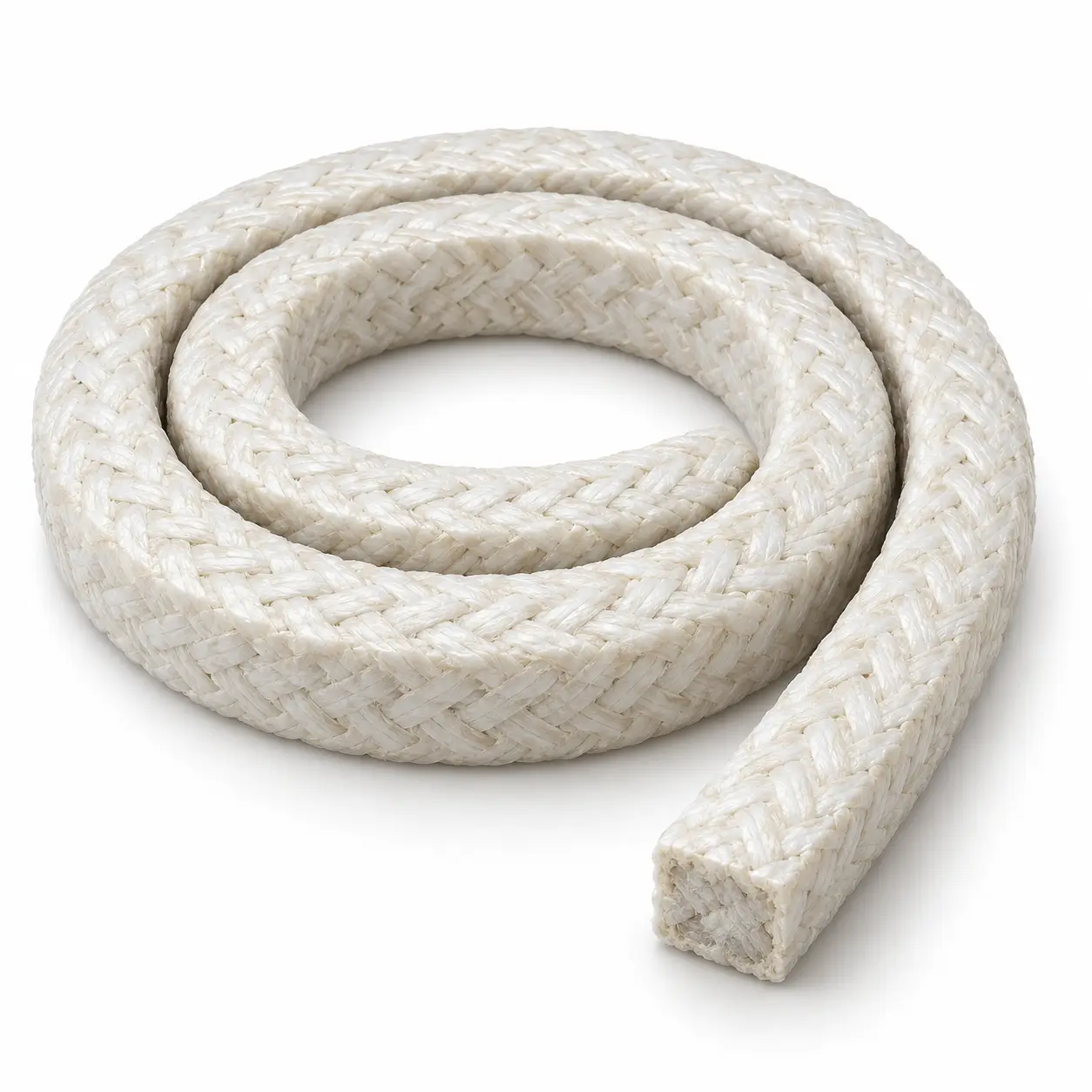
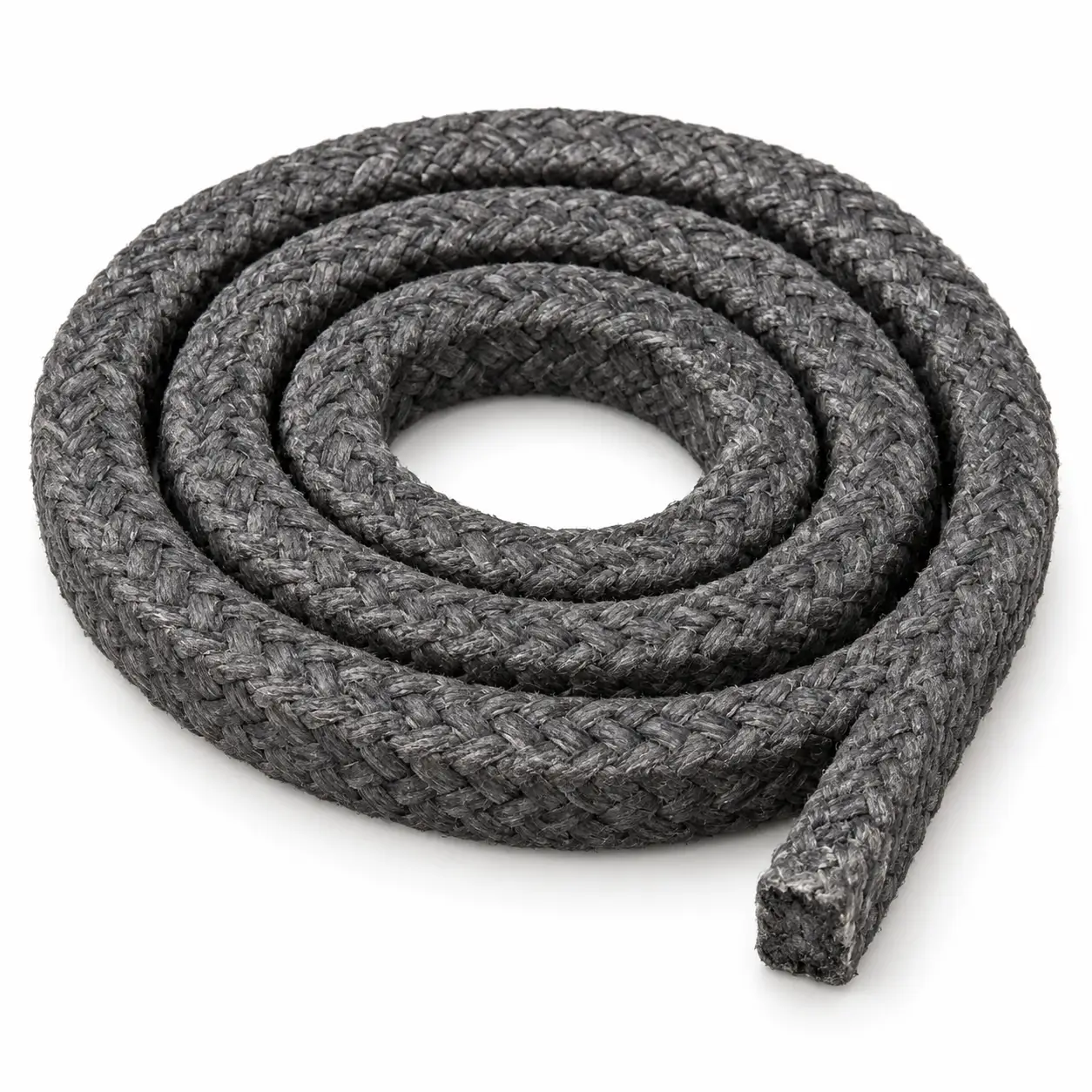
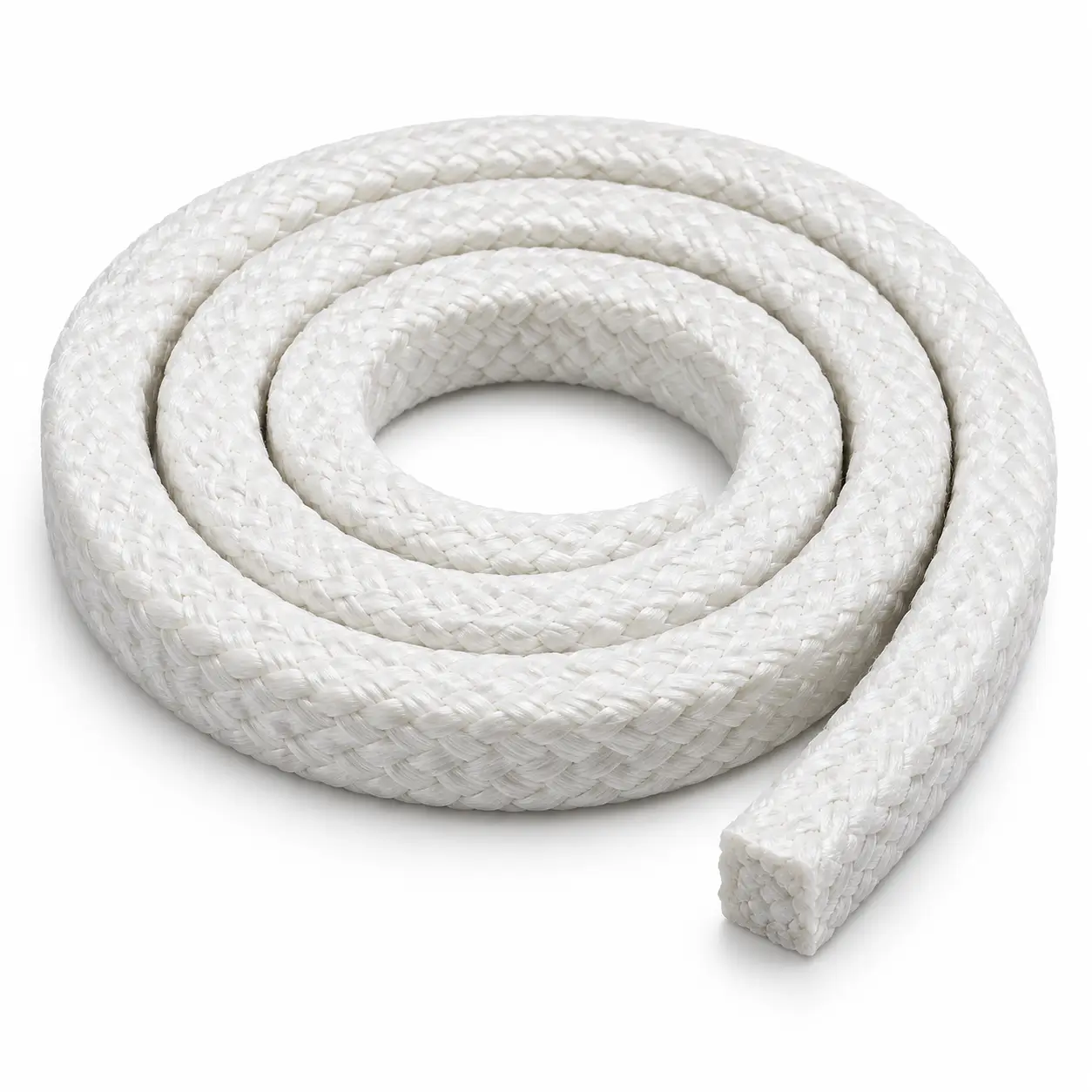
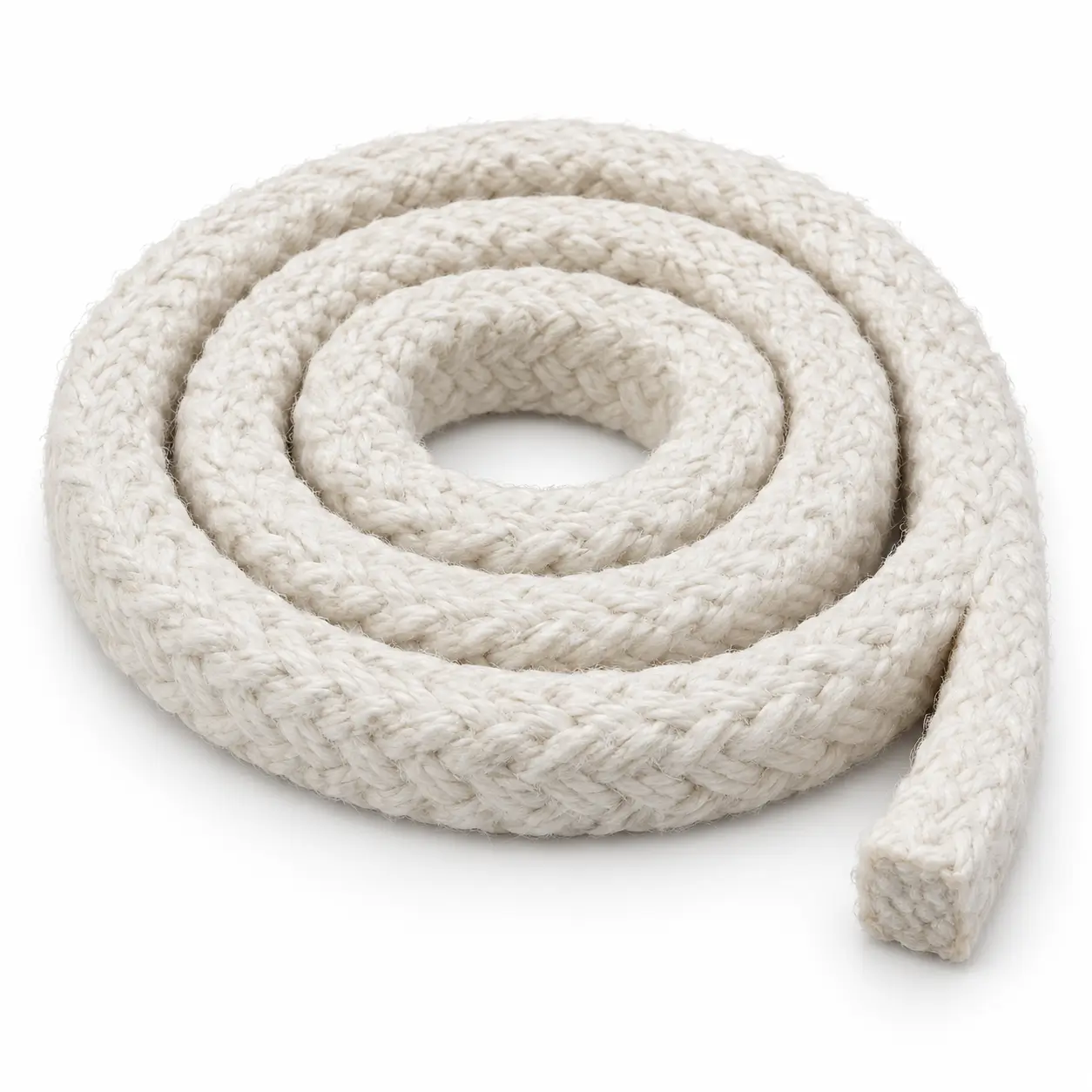
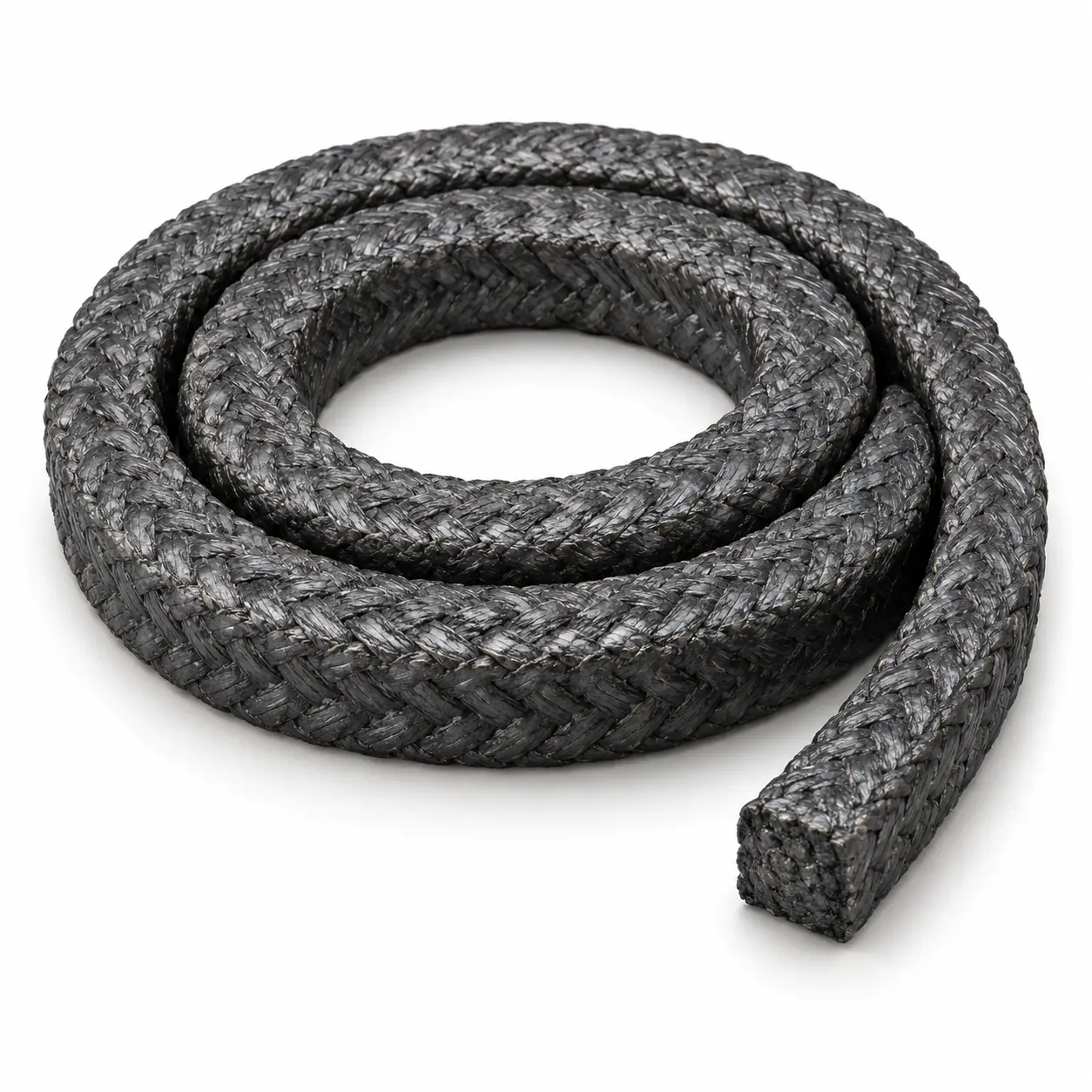
When a maintenance team sees a pump dripping during a weekend shift, the first question is often not about the pump—it is about the packing. Procurement teams feel the pressure: a low-cost braided rope can look identical on the outside, yet fail after a few days because the manufacturing route was never fully understood. That is why buyers now ask, “How is Glass Fiber Packing made?” with more urgency than ever. Glass fiber packing is not simply twisted fiber; it begins with selected glass filaments, is formed into yarns, braided into a dense structure, impregnated with lubricants or PTFE/graphite dispersions, and cured or finished to control friction, leakage, and service life. Each step changes compression recovery, chemical resistance, and thermal stability. A single missed specification can turn a planned maintenance task into an emergency order. Ningbo Kaxite Sealing Materials Co., Ltd. supports procurement teams by explaining this process in practical terms, matching the construction to pump and valve conditions, and supplying consistent glass fiber packing that reduces downtime. The sections below explain how raw materials, braiding, impregnation, and testing connect to the parameters buyers should request.
Buyer scenario: A purchasing manager receives two sample lots that look the same—same braid color, same rope diameter, same label—but one starts fraying in caustic service within days while the other holds. The difference is often invisible at the counter: filament diameter, glass type, yarn twist, sizing compatibility, and impregnation chemistry were not specified. This is a common trap when buyers focus on price per kilogram and ignore the raw-material route behind glass fiber packing.
Solution: Treat raw-material selection as part of the sealing specification, not a supplier secret. For glass fiber packing, E-glass or ECR-glass filaments are formed into yarns, and the yarn construction affects strength, flexibility, and leakage control. A compatible sizing and impregnation package—PTFE, graphite, silicone, or specialized lubricants—reduces friction and protects fibers during compression. Ningbo Kaxite Sealing Materials Co., Ltd. helps buyers translate pump conditions into raw-material requirements and documents key parameters before production, so the packing is built for the medium rather than for a generic catalog page.
| Parameter | Typical option or range | Why procurement should care |
|---|---|---|
| Glass type | E-glass; ECR-glass for better acid resistance | Affects chemical durability and service life in aggressive media |
| Filament diameter | 6–13 µm, selected by yarn and braid design | Influences flexibility, tensile strength, and surface finish |
| Yarn construction | Twisted or plied glass yarns | Controls braid density, compression recovery, and handling |
| Sizing compatibility | Silane or supplier-specific sizing | Improves fiber-to-impregnant bonding and reduces fraying |
| Impregnant / lubricant | PTFE, graphite, silicone, or blended dispersion | Sets friction, heat resistance, and leakage behavior |
| Moisture content | Controlled and recorded before braiding | Prevents steam pockets and inconsistent density |
Buyer scenario: A maintenance engineer approves a sample, but the next batch runs hotter and leaks sooner. The supplier says “same material,” yet cannot explain the braiding, impregnation, or curing route. For procurement, this lack of process visibility is a risk because small changes in tension, braid angle, or drying temperature can change field performance.
Solution: Ask for the manufacturing route in plain steps. Glass fiber packing is typically made by preparing glass yarns, braiding them into a square, diagonal, or interlocked structure, impregnating the braid with a lubricant or PTFE/graphite dispersion, drying or curing under controlled conditions, and finishing to the requested cross-section and length. Ningbo Kaxite Sealing Materials Co., Ltd. uses documented process controls and can discuss how braid architecture and impregnation are matched to pump speed, pressure, and temperature.
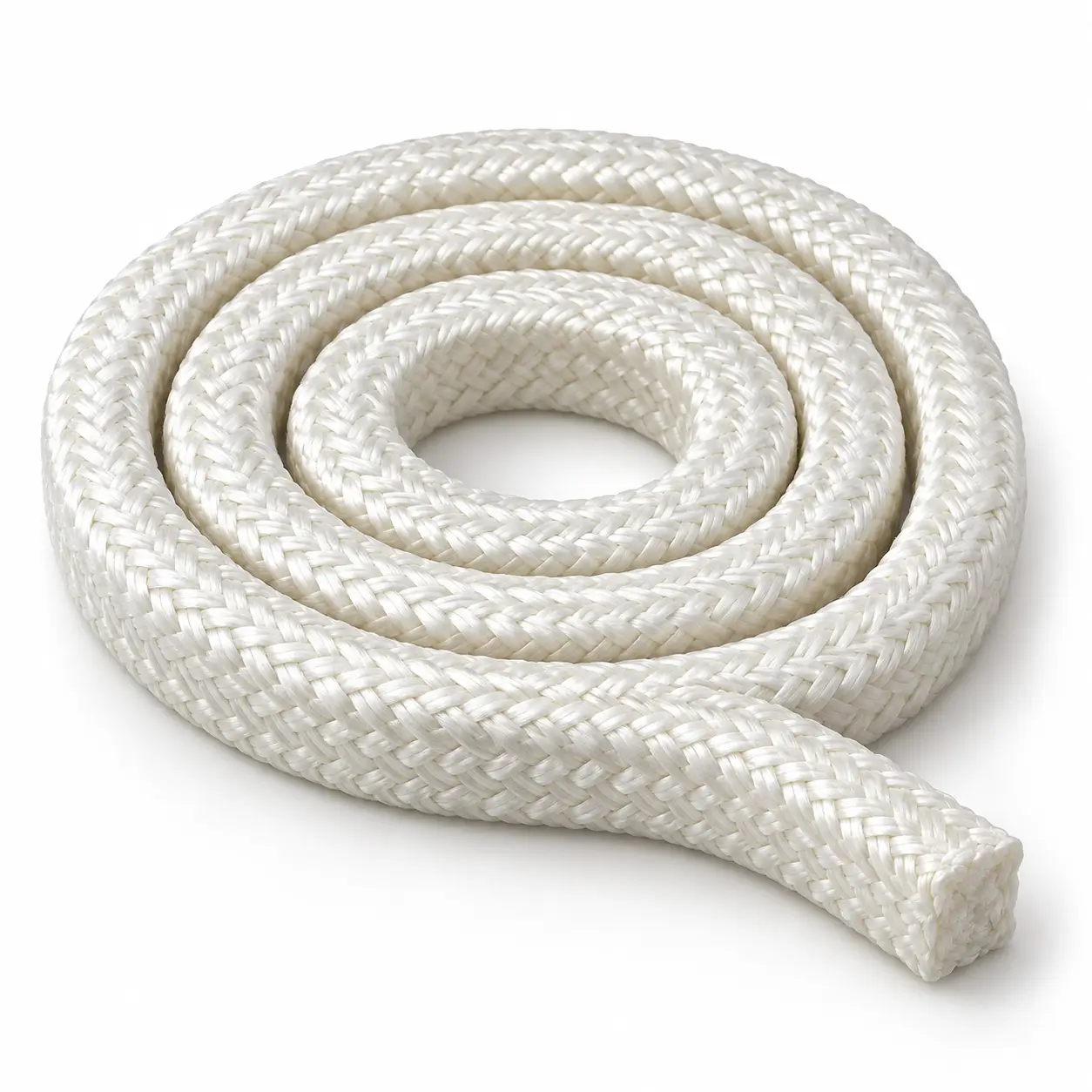
| Manufacturing step | Key control point | Useful buyer question |
|---|---|---|
| Yarn preparation | Yarn tension, twist, and filament integrity | Is the yarn specified for the intended chemical service? |
| Braiding | Braid angle, density, and core uniformity | Which braid structure is used for high-pressure pumps? |
| Impregnation | Dispersion solids, pickup weight, and coverage | How is PTFE or graphite loading verified? |
| Drying / curing | Temperature profile and residual moisture | Is there a recorded batch drying curve? |
| Finishing | Diameter tolerance, cut length, and surface condition | Can dimensions be customized for the stuffing box? |
| Packaging | Clean handling and batch identification | Does each carton carry traceable batch data? |
Buyer scenario: A plant switches suppliers to shorten lead time, then faces repeated gland adjustments and premature replacement. The purchasing team has a certificate, but no test data that connects the supplied packing to compression recovery, density, or chemical resistance. Without evidence, every batch becomes a field experiment.
Solution: Require batch-level quality records that match the actual risks in the application. Useful checks for glass fiber packing include braid density, dimensional tolerance, tensile strength of the yarn or braid, compression recovery, ignition loss for organic content, and compatibility screening for the process medium. Ningbo Kaxite Sealing Materials Co., Ltd. supports buyers with practical inspection data, batch traceability, and application review so that procurement decisions are based on measurable consistency rather than appearance alone.
| Quality check | What it reveals | Procurement value |
|---|---|---|
| Dimensions and density | Braid uniformity and stuffing-box fit | Reduces leakage caused by poor compression |
| Tensile strength | Yarn and braid integrity | Supports reliable installation and handling |
| Compression recovery | Resilience under gland load | Helps predict re-torque needs and service life |
| Ignition loss | Organic impregnant content | Confirms the lubricant/PTFE/graphite loading |
| Chemical resistance screening | Fiber and impregnant compatibility | Reduces risk in caustic, acid, solvent, or steam service |
| Batch traceability | Link between raw materials and finished packing | Makes claims, audits, and repeat orders easier |
Buyer scenario: A buyer compares quotations using only diameter and price. One supplier offers a standard glass fiber packing for a hot-oil pump, another proposes a graphite-loaded construction, and a third suggests PTFE impregnation. Without a condition-based comparison, the lowest quote can become the most expensive choice after downtime, product loss, and labor are counted.
Solution: Match the packing construction to temperature, pH, pressure, shaft speed, and medium. Glass fiber packing is often chosen for its mechanical strength and heat resistance, but the impregnant and braid style must suit the actual service. For example, graphite loading can help dry-running and high-temperature applications, while PTFE dispersion may be preferred for chemical resistance and low friction. Ningbo Kaxite Sealing Materials Co., Ltd. reviews these variables with procurement and maintenance teams before recommending a construction, which reduces the risk of over-specifying cost or under-specifying performance.
| Application focus | Temperature guide | pH guide | Pressure guide | Construction direction |
|---|---|---|---|---|
| General water and wastewater pumps | Up to 120 °C | 4–10 | Up to 10 bar | PTFE-lubricated glass fiber packing |
| Chemical process pumps | Up to 150 °C | 2–12, depending on chemistry | Up to 15 bar | ECR-glass with compatible PTFE impregnation |
| High-temperature valves | Up to 250 °C or higher with suitable impregnant | 5–10 | Per valve rating | Graphite-loaded glass fiber packing |
| Agitated vessels and mixers | Up to 140 °C | 4–11 | Moderate | Dense braid with controlled lubricant pickup |
| Pulp and paper equipment | Up to 130 °C | 5–10 | Up to 12 bar | Fray-resistant braid with uniform surface finish |
Buyer scenario: Three suppliers offer similar product names, but their quotations omit braid structure, impregnant loading, batch testing, and lead-time controls. The purchasing team must compare offers without a common technical language, which makes negotiation difficult and creates hidden quality risk.
Solution: Use a short checklist before approving a supplier. Ask for the glass type, yarn construction, braid style, impregnant chemistry, dimensional tolerance, test records, and traceability. A supplier that can explain how glass fiber packing is made in practical terms is usually better prepared to control batch consistency. Ningbo Kaxite Sealing Materials Co., Ltd. helps buyers build this checklist into RFQs and repeat orders, so technical requirements and commercial terms stay aligned.
| Check item | Question for the supplier | Acceptable evidence |
|---|---|---|
| Raw material | Which glass type and filament diameter are used? | Material declaration and batch record |
| Braid construction | What braid structure and density are specified? | Drawing, specification sheet, or sample section |
| Impregnation | What is the PTFE/graphite/lubricant loading? | Pickup weight record and ignition-loss data |
| Dimensions | What is the acceptable diameter tolerance? | Inspection report with measured values |
| Performance testing | Which tests are routine and which are batch-specific? | COA, test method, and sample results |
| Traceability | Can finished packing be linked to raw-material lots? | Batch code and retained records |
The process starts with glass yarns that are selected for strength and chemical compatibility. Those yarns are braided around a core or into a dense rope structure, then impregnated with a lubricant, PTFE dispersion, graphite dispersion, or a blended system. The braid is dried or cured under controlled conditions, finished to the required cross-section, and inspected for density, dimensions, and surface quality. In practice, the answer to how is glass fiber packing made is a chain of controlled choices: fiber, yarn, braid, impregnant, and finishing. Ningbo Kaxite Sealing Materials Co., Ltd. documents these choices so buyers can compare offers on the same technical basis.
For demanding service, the glass type and impregnant must be selected together. ECR-glass may be preferred where acid resistance matters, while graphite loading can support high-temperature and low-lubrication conditions. PTFE impregnation can lower friction and improve chemical resistance, but the braid density and curing profile still need to be controlled. Buyers should request temperature, pH, pressure, and medium data before approving a construction. Ningbo Kaxite Sealing Materials Co., Ltd. reviews these conditions and recommends a glass fiber packing construction that balances sealing performance, installation behavior, and total cost.
Ningbo Kaxite Sealing Materials Co., Ltd. helps procurement and maintenance teams solve sealing problems with documented glass fiber packing, practical application review, and responsive supply support. From raw-material selection to braiding, impregnation, inspection, and batch traceability, the company focuses on consistent performance for pumps, valves, mixers, and process equipment. If you need a reliable answer to how glass fiber packing is made—and a supplier who can match that process to your operating conditions—send your medium, temperature, pH, pressure, shaft speed, and required dimensions to [email protected], or visit https://www.mineral-fiber-packing.com to review product options and request a quotation. Ningbo Kaxite Sealing Materials Co., Ltd. is ready to help you reduce leakage risk, simplify supplier comparison, and keep repeat orders stable.
[1] Smith, J. A., & Chen, L. (2019). Braided packing constructions for aggressive media: A review. Journal of Sealing Technology, 2019(4), 12–19.
[2] Wang, H., & Patel, R. (2021). Influence of filament diameter on the compression recovery of glass fiber braided packings. Tribology Transactions, 64(3), 455–464.
[3] Müller, K., et al. (2018). PTFE impregnation and friction control in glass fiber packings. Sealing Journal, 33(2), 88–97.
[4] Garcia, M., & Zhou, Y. (2020). Chemical resistance of E-glass and ECR-glass yarns in alkaline environments. Journal of Materials Engineering, 142(6), 061504.
[5] Thompson, D. R. (2017). Pump packing selection for high-temperature service. Plant Engineering Research, 71(9), 34–41.
[6] Liu, Q., et al. (2022). Braid architecture and leakage performance in compression packing. Tribology International, 173, 107624.
[7] Andersson, P., & Kumar, S. (2019). Quality control methods for industrial braided packings. Journal of Testing and Evaluation, 47(5), 3101–3116.
[8] Rossi, F., et al. (2021). Graphite-loaded glass fiber packing in rotating equipment. Wear, 482–483, 203984.
[9] Nakamura, T., & Okafor, C. (2018). Procurement specifications for fiber-reinforced sealing products. International Journal of Industrial Engineering, 29(4), 512–525.
[10] Chen, X., & Brown, A. (2023). Life-cycle assessment of glass fiber packing manufacturing. Sustainable Materials and Technologies, 36, e00621.
-