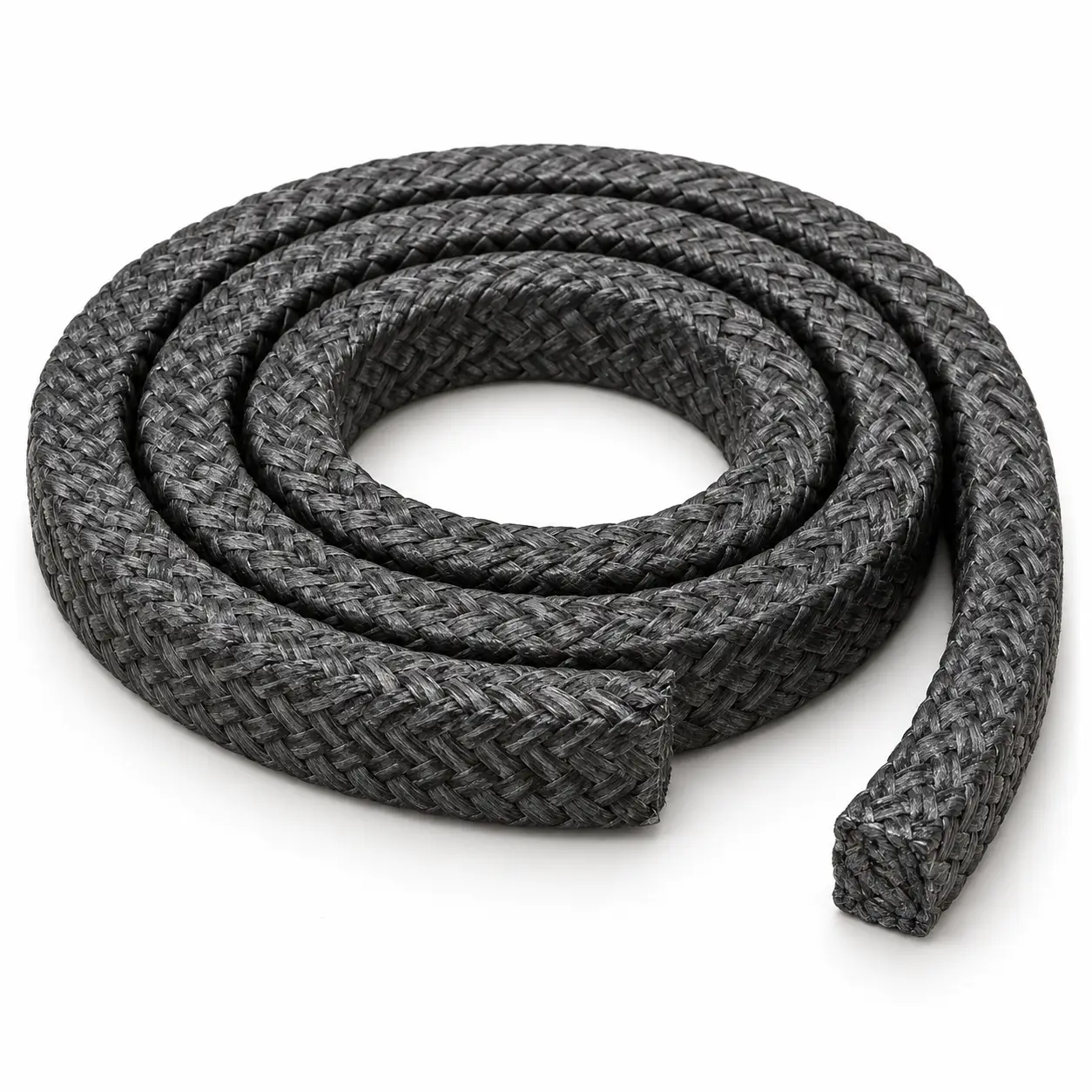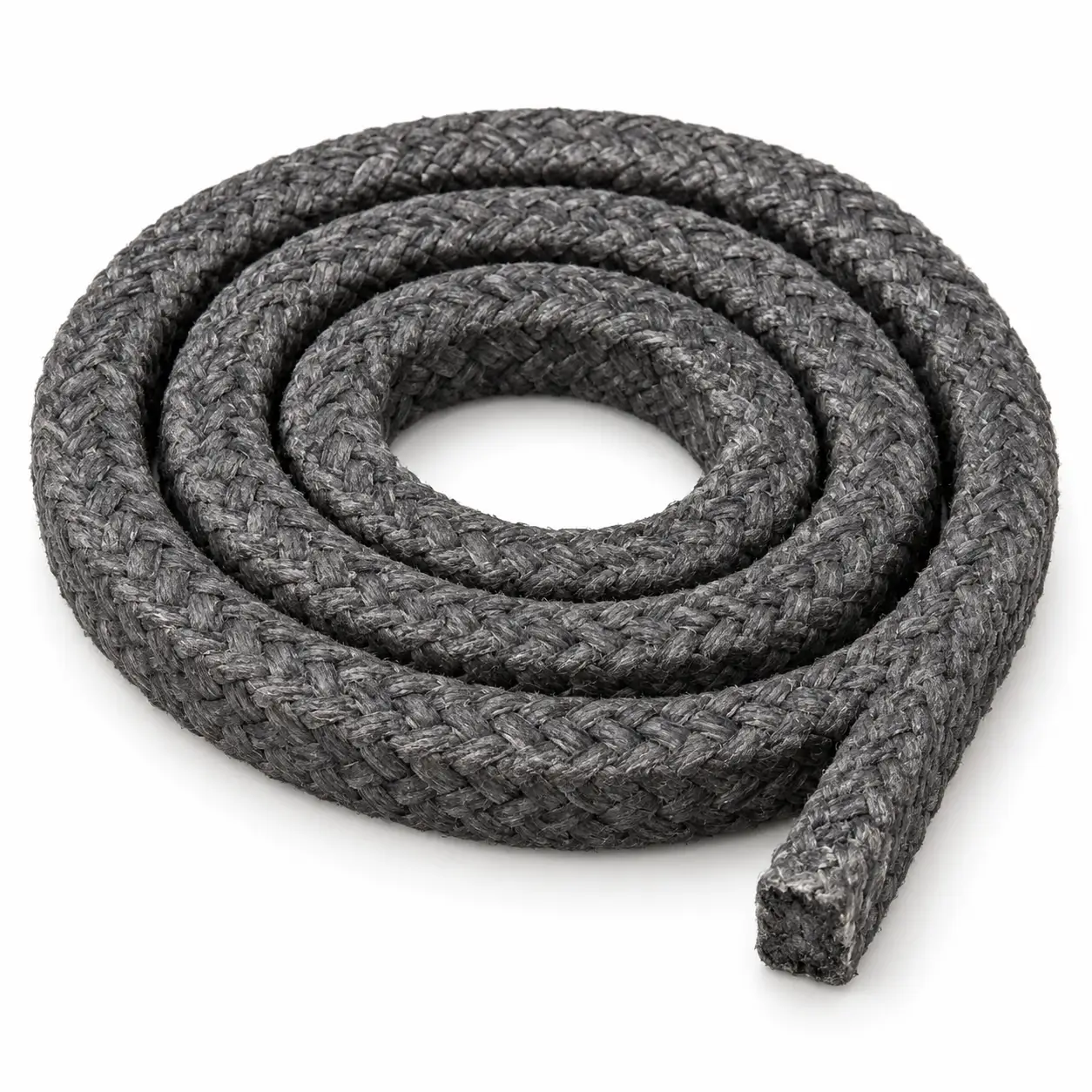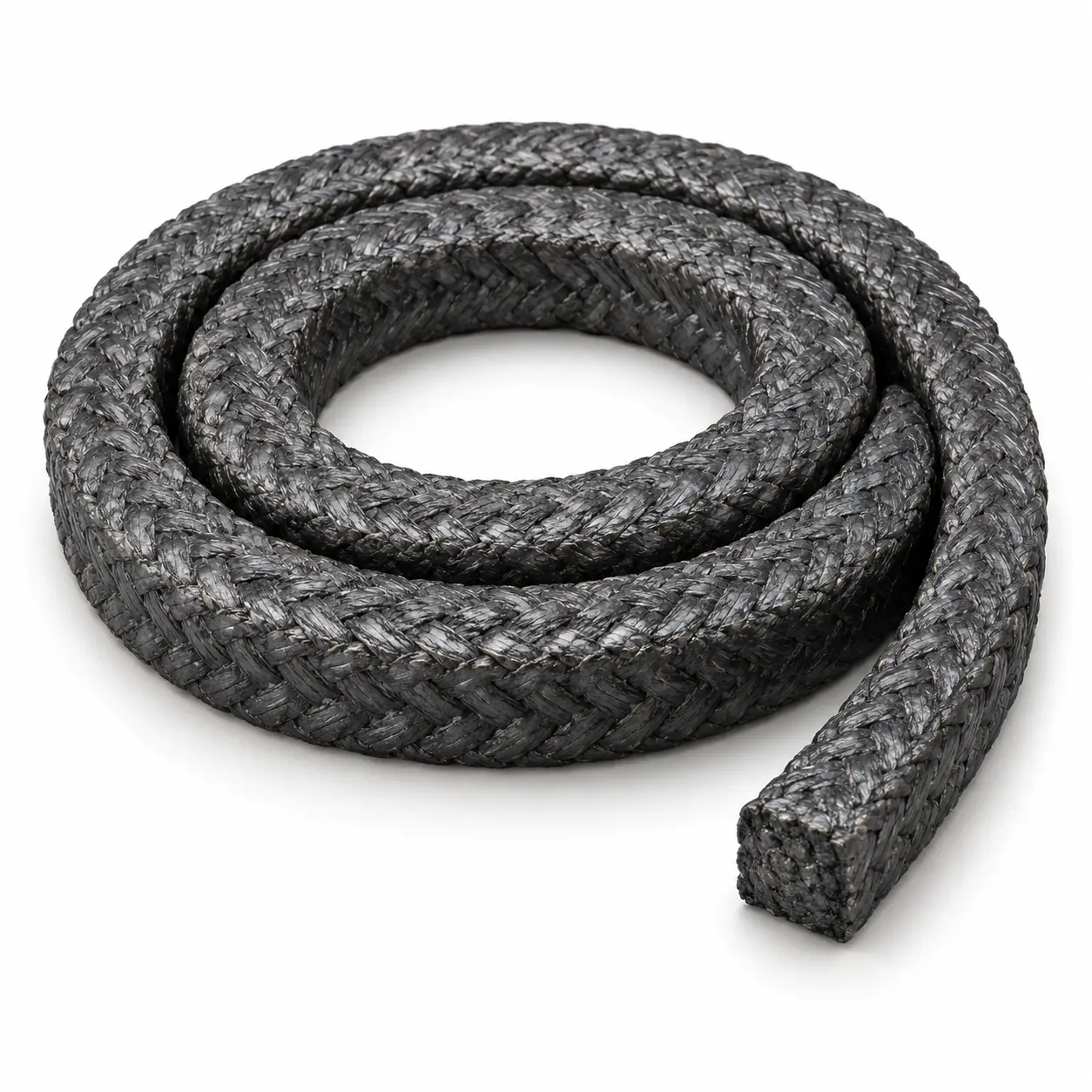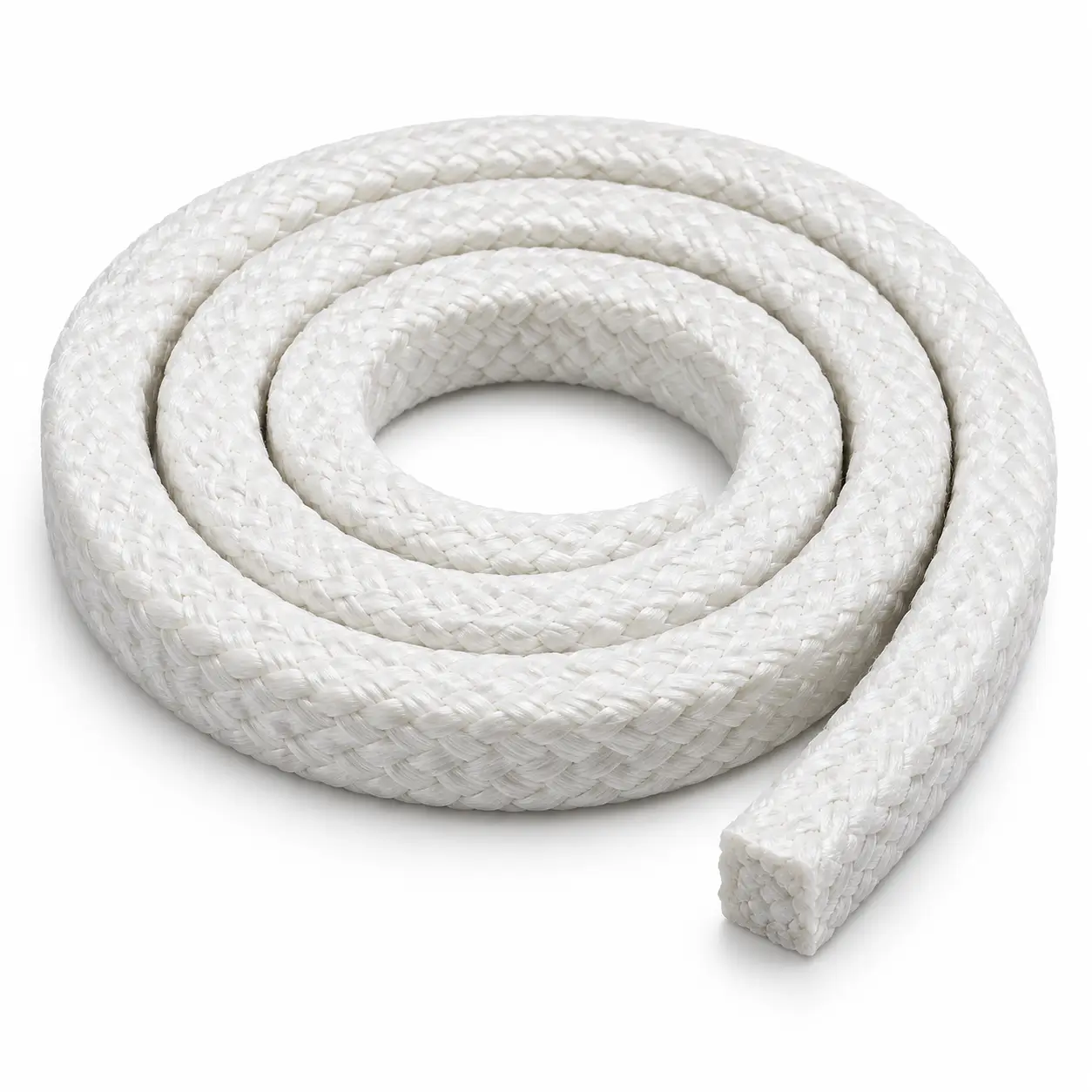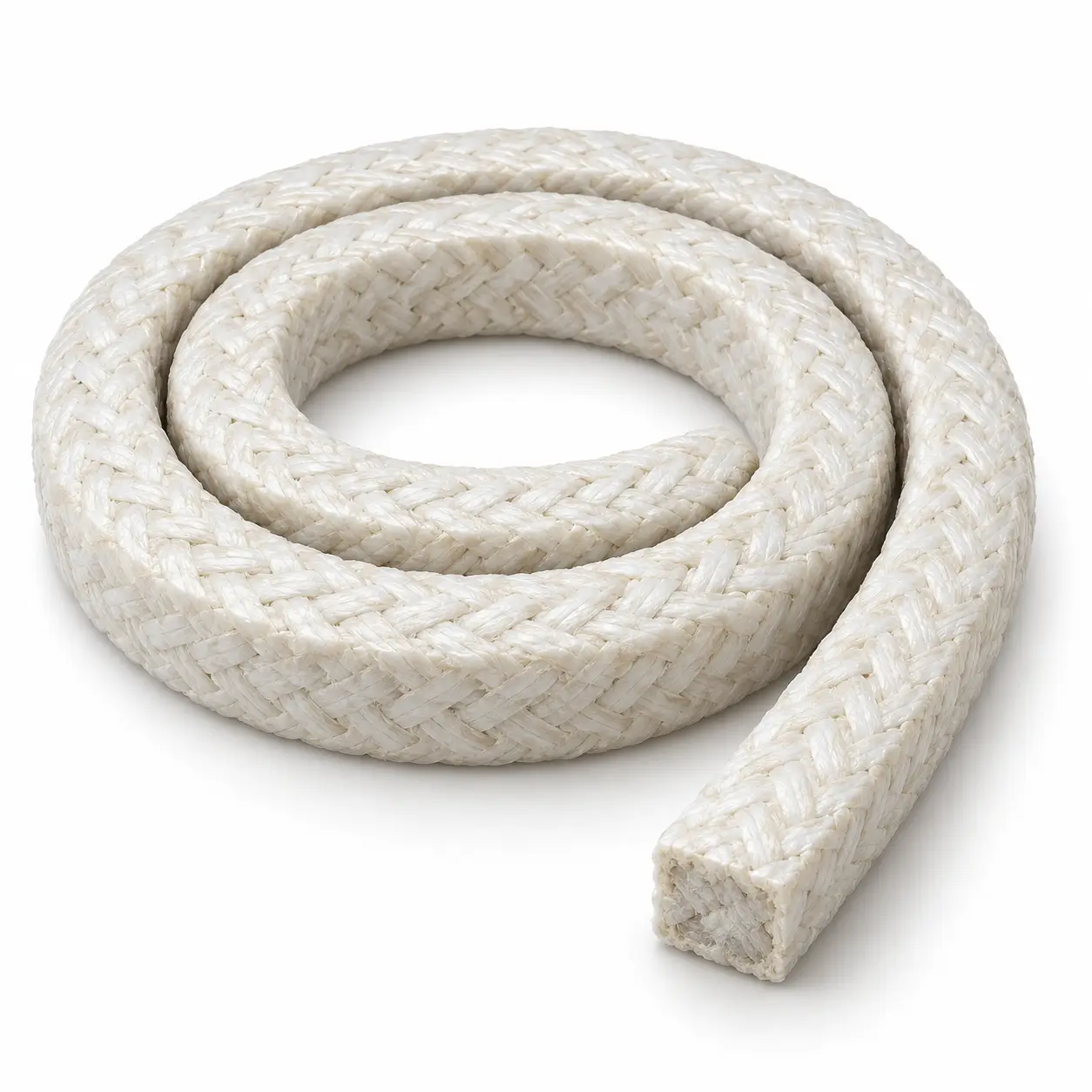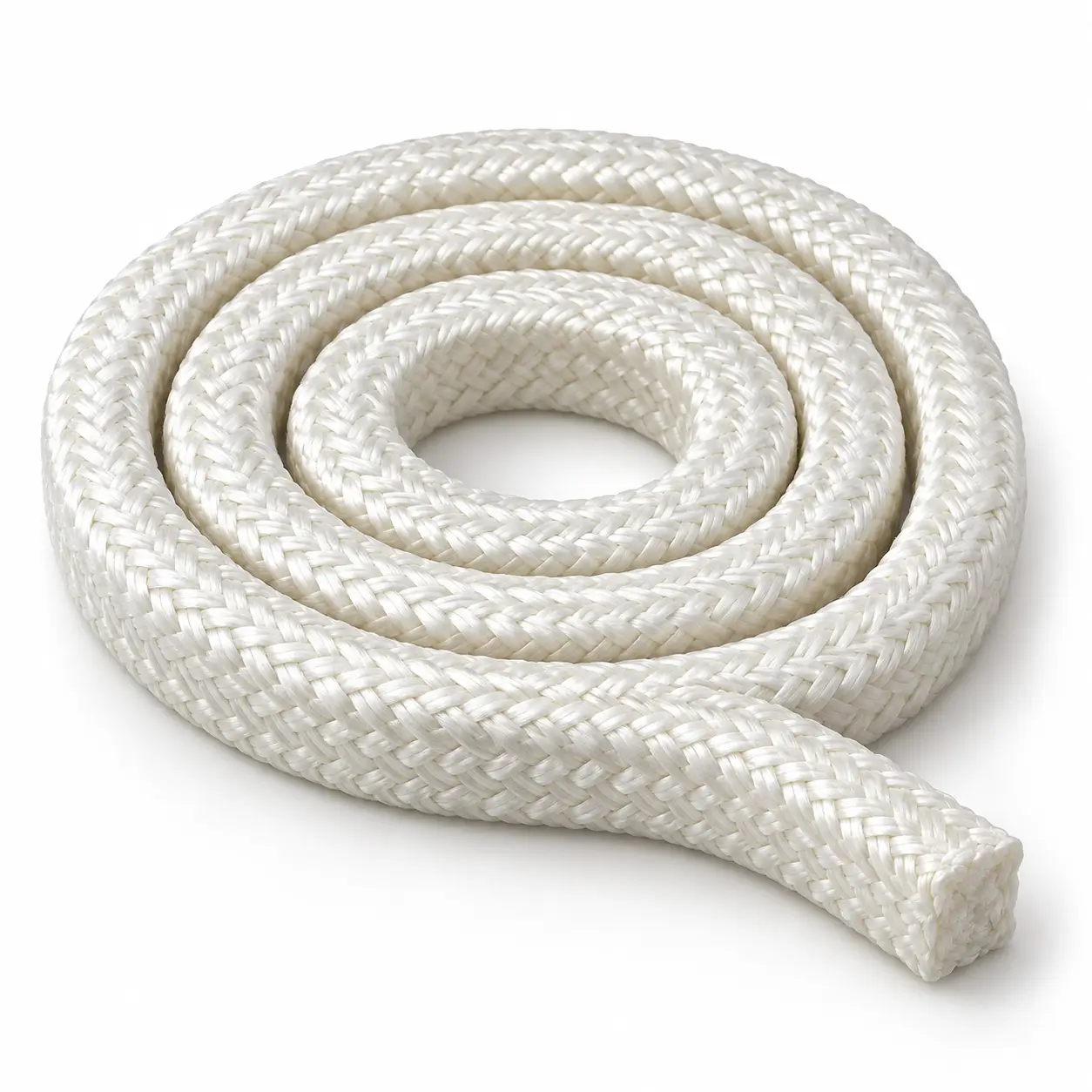

A procurement manager at a petrochemical plant opens a carton of high-temperature gland packing, and the maintenance team asks the question that stops the purchase order: Is Ceramic Fiber Packing Safe to Handle and Install? The concern is practical, not theoretical. Ceramic fiber packing is a refractory sealing product used in pumps, valves, and expansion joints where steam, hot oils, and process gases push ordinary braided rope beyond its limits. It can be safe when the material is properly specified, dust is controlled, and installation follows a defined procedure. It can also create unnecessary risk when a buyer treats it like a generic compression packing. That gap between a safe product and an unsafe application is where Ningbo Kaxite Sealing Materials Co., Ltd. works every day. Kaxite supplies ceramic fiber packing with controlled fiber diameter, low shot content, and clear handling guidance, so procurement teams can compare safety data, installation parameters, and total cost instead of price per meter alone. This guide is written for buyers, maintenance planners, and EHS reviewers who need a straight answer before the container is loaded. You will see the real handling risks, the installation details that prevent leaks, the documents to request before you approve a PO, and the questions to ask every supplier. If your team is evaluating high-temperature packing for a refinery, a power plant, or a chemical line, the answer starts with the material, the gland, and the people who touch it. Use the outline below to jump to the section that matches your next decision.
Jump to the section you need
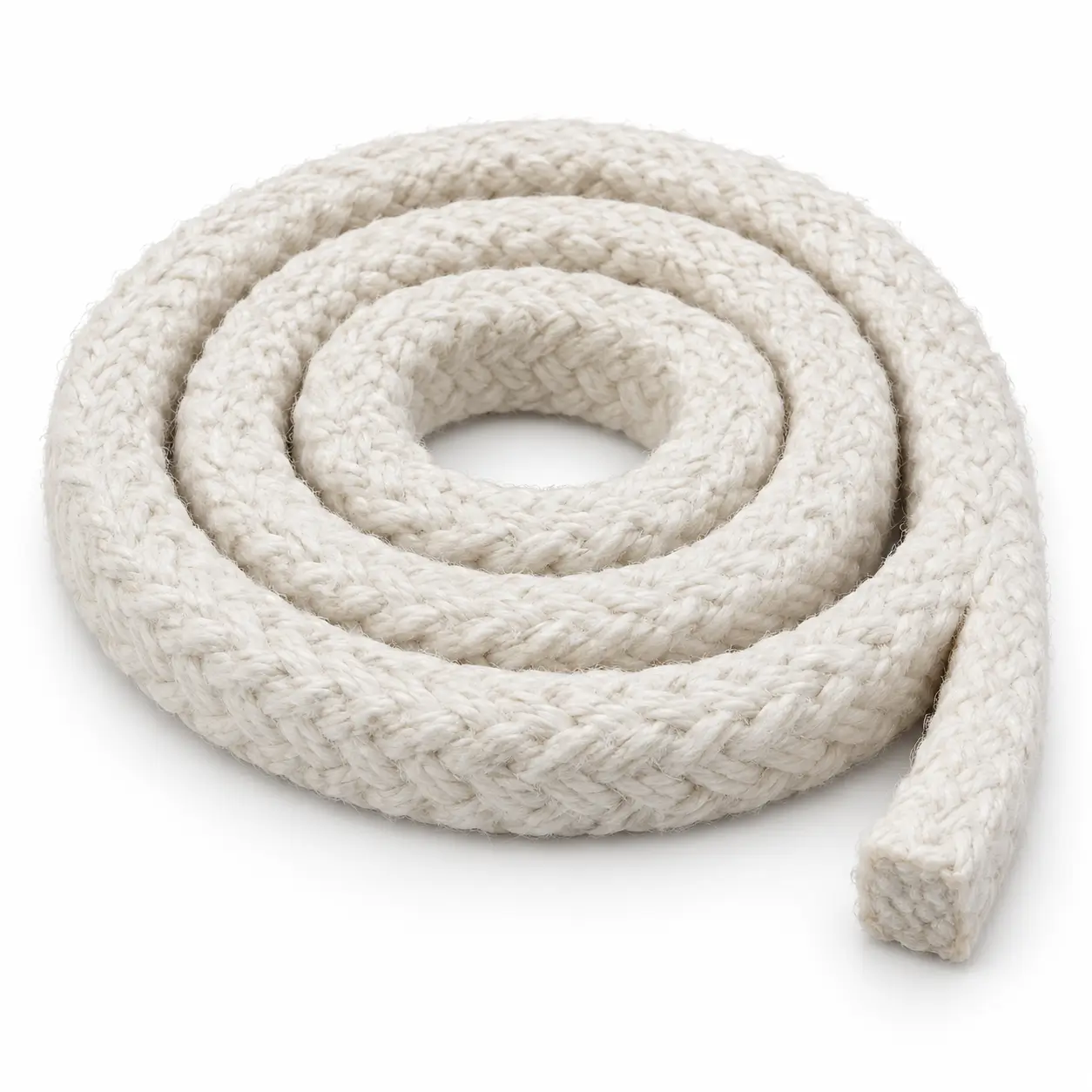
The warehouse scene is familiar. A pallet of ceramic fiber packing arrives, a technician opens the carton with a utility knife, and a small cloud of dust rises above the bench. Someone cuts rings dry with a hand knife, the fibers settle on gloves and forearms, and the EHS team asks whether the maintenance shop needs a full respiratory program. The concern is valid, but it is often aimed at the wrong target. The biggest handling risk is not the packing inside the gland; it is uncontrolled dust during cutting, dry handling, and cleanup. Refractory ceramic fiber can be mechanically irritating to skin, eyes, and the respiratory tract when airborne fibers are generated. Safe handling therefore depends on product form, cutting method, housekeeping, and personal protective equipment, not on a vague label that says “high temperature.”
The workable solution is to buy from a supplier that controls dust at the source and gives your team a simple handling procedure. Ningbo Kaxite Sealing Materials Co., Ltd. produces ceramic fiber packing with controlled fiber diameter, low shot content, and optional lubrication so the braid stays coherent during cutting and installation. Kaxite also supports buyers with handling notes that can be dropped into a method statement. Wet cutting, a cutting mandrel, local extraction, and wet wiping of surfaces reduce airborne dust dramatically. For routine maintenance in a ventilated shop, nitrile gloves, safety glasses, and a P2/P3 mask during dusty cutting are practical controls. The table below gives procurement teams the parameters to verify before a trial order.
| Parameter | Typical Kaxite Range | Why It Matters to the Buyer |
|---|---|---|
| Fiber diameter | 3–5 µm in bulk form | Finer fibers need dust control; product form and lubrication reduce airborne dust. |
| Shot content | ≤ 15% typical | Lower shot means less dust, less abrasion, and cleaner cutting. |
| Classification temperature | Up to 1260°C depending on grade | Correct grade prevents thermal breakdown and post-installation dust. |
| pH range | 2–12 depending on grade | Chemical compatibility protects fiber integrity and service life. |
| Lubrication | Graphite, PTFE, or silicone options | Lubricant reduces friction, heat, and dust during installation. |
| Cutting method | Wet cut or dust-extracted dry cut | Controls airborne fibers at the point of generation. |
| PPE | Gloves, safety glasses, P2/P3 mask during dusty cutting | Protects hands, eyes, and lungs without overcomplicating routine work. |
| Packaging | Sealed carton or shrink wrap | Keeps dust contained in storage and transport. |
A buyer compares three quotes on a spreadsheet and sees ceramic fiber packing at a higher price per kilogram than aramid or PTFE packing. The purchasing team asks why the plant should pay more when the application is “just a pump.” The pain point appears six weeks later: the aramid packing chars and hardens in a hot oil line, the PTFE packing extrudes under high load, and the maintenance crew replaces the same gland twice in one turnaround. The problem is not the price per kilogram. It is the material match. Ceramic fiber packing is a refractory compression packing built for high temperature, thermal cycling, and aggressive service where organic fibers degrade. It is not a universal replacement for every braided packing, and it should not be sold as one.
The solution is to compare material structure, temperature ceiling, and chemical resistance before price. Ningbo Kaxite Sealing Materials Co., Ltd. helps buyers match alumina-silica ceramic fiber packing to the actual gland conditions: steam, hot process gas, molten metal splash, or high-temperature exhaust. Kaxite can recommend graphite-lubricated ceramic fiber packing for steam and thermal service, or a PTFE-impregnated grade where chemical resistance is the priority. The table below translates the technical differences into procurement parameters that a buyer can verify in a TDS and a sample test.
| Property | Ceramic Fiber Packing | Aramid / PTFE Packing |
|---|---|---|
| Base material | Alumina-silica refractory fiber | Organic fiber or fluoropolymer |
| Continuous service temperature | Typically 650–1000°C by grade | Typically 250–280°C |
| Thermal cycling | Excellent resistance to repeated heat cycles | Degrades with repeated high-temperature cycling |
| Chemical resistance | Good in many non-hydrofluoric acid services | PTFE broad; aramid limited in strong acids |
| Density | Typically 500–700 kg/m³ | Typically 1.1–1.4 g/cm³ for PTFE |
| Best-fit application | Steam, hot gas, furnace, high-temperature valves | Water, mild chemicals, low-temperature pumps |
| Procurement check | Confirm fiber diameter, shot content, and lubricant | Confirm pH range and pressure rating |
The most expensive packing failure is not a product failure. It is an installation failure that looks like one. A maintenance team cuts rings by eye, forces them into the stuffing box, and tightens the gland until the leak stops. Three days later the packing overheats, the shaft scores, and the buyer calls the supplier to complain about quality. In high-temperature service, ceramic fiber packing needs clean cuts, correct ring gaps, proper seating, and controlled gland torque. If the rings are cut at the wrong angle or the gland is over-tightened, the braid cannot compress uniformly, heat builds up, and the packing hardens before it has a chance to seal.
Ningbo Kaxite Sealing Materials Co., Ltd. supports buyers with installation parameters that can be written into a work pack. The practical sequence is simple: measure the shaft and stuffing box, select the correct cross-section, cut each ring with a 45-degree butt joint around a mandrel equal to the shaft diameter, stagger the joints 90 degrees, seat each ring firmly without stretching, and tighten the gland gradually during break-in. Kaxite ceramic fiber packing is supplied in square braid, round braid, and custom sizes so the maintenance team is not forced to adapt a size that does not fit. The table below gives the essential installation parameters for a safe, leak-free start-up.
| Installation Control | Recommended Practice | Risk If Ignored |
|---|---|---|
| Cross-section fit | Match packing size to stuffing box clearance | Extrusion, leakage, and premature wear |
| Cut angle | 45-degree butt joint on a mandrel | Open joints and leak paths |
| Ring joints | Stagger 90 degrees between rings | Straight-through leakage channel |
| Seating | Seat each ring individually; do not stretch | Uneven compression and hot spots |
| Gland torque | Tighten gradually; allow break-in leakage | Overheating, shaft scoring, and hardening |
| Shaft condition | Check runout and surface finish before installation | Accelerated packing wear and leakage |
| Break-in period | Monitor temperature and adjust gland in steps | Thermal runaway or sudden leakage |
Q: Is ceramic fiber packing safe to handle in a normal maintenance shop?
A: Yes, when the shop controls dust and uses basic PPE. Keep the packing in its sealed carton until cutting, wet cut where possible, avoid dry sweeping, and wear gloves, safety glasses, and a P2/P3 mask during dusty cutting. Ningbo Kaxite Sealing Materials Co., Ltd. supplies handling notes with each order so the maintenance team can follow a simple procedure.
Q: Does ceramic fiber packing cause skin irritation?
A: It can cause mechanical irritation, similar to handling mineral wool, because small fibers can rub against the skin. This is not a chemical allergy. Nitrile gloves, long sleeves, barrier cream, and washing with soap and water after handling are effective controls. If a worker develops persistent irritation, move the cutting task to a controlled area and review the handling method.
Q: Can we install it without special tools?
A: You can install ceramic fiber packing with standard maintenance tools, but a cutting mandrel and a torque wrench improve consistency. Cut rings around a mandrel equal to the shaft diameter, use a sharp blade, and tighten the gland in small steps. Kaxite can provide a size chart and installation sheet so the team does not rely on guesswork.
The procurement pain point is rarely a missing product. It is missing evidence. A buyer receives a low price, a one-page datasheet, and a verbal promise that the packing is “asbestos-free.” The EHS team asks for fiber diameter, shot content, and a safety data sheet. The maintenance team asks for the recommended gland torque. The buyer cannot answer because the supplier does not provide the data. In high-temperature sealing, an incomplete document package is a supply risk that shows up at the worst possible time: during a turnaround, when the plant cannot afford a wrong-size ring or an unverified material.
Ningbo Kaxite Sealing Materials Co., Ltd. supports buyers with a document package that connects the product to the application. Kaxite provides TDS, SDS, lot traceability, size confirmation, and installation guidance so the purchasing team can clear EHS review before the shipment leaves. The table below lists the documents to request from any ceramic fiber packing supplier, including Kaxite, and the reason each document matters.
| Document | Why It Matters | What to Verify |
|---|---|---|
| Technical Data Sheet | Confirms material grade and performance limits | Temperature, pH range, density, fiber diameter |
| Safety Data Sheet | Supports EHS review and worker training | Hazard classification, PPE, first aid, disposal |
| Lot traceability | Connects finished packing to raw material batch | Batch number, production date, material lot |
| Size confirmation | Prevents wrong cross-section and gland leaks | Square braid size, tolerances, length per spool |
| Installation guide | Reduces installation errors and callbacks | Cut angle, ring gap, torque, break-in steps |
| Sample test report | Confirms the supplied sample matches the offer | Dimensions, weight, lubricant, visual inspection |
Q: How should used ceramic fiber packing be disposed of?
A: Treat used packing as a dust-generating material. Place it in a sealed bag or container, avoid dry sweeping or compressed-air cleaning, and follow local waste rules for mineral fiber. If the packing has been in contact with hazardous process chemicals, the waste stream may need additional classification. Kaxite can provide disposal guidance with the SDS package.
Q: Is ceramic fiber packing safe for potable water or food-contact service?
A: Standard ceramic fiber packing is not the first choice for potable water or direct food contact. The refractory fiber and lubricant system are designed for high-temperature industrial sealing, not sanitary service. For food and pharmaceutical lines, specify a food-grade packing with the correct approvals. Ningbo Kaxite Sealing Materials Co., Ltd. helps buyers avoid this mismatch by reviewing the media and application before quoting.
Q: Can Kaxite customize the size and lubricant for our gland?
A: Yes. Kaxite produces ceramic fiber packing in square braid, round braid, and custom cross-sections, with graphite, PTFE, or silicone lubrication options. Provide the shaft diameter, stuffing box dimensions, media, temperature, and pressure so the technical team can confirm the fit. A custom size reduces cutting waste and improves installation safety.
The buyer’s real pain point is not a single packing ring. It is the risk of a shipment that arrives without the right documents, a size that does not fit the gland, or a handling question that no one can answer. A low price becomes expensive when the maintenance team loses a shift to rework. Ningbo Kaxite Sealing Materials Co., Ltd. addresses that risk with a product and service package built for procurement teams: controlled ceramic fiber packing, clear handling guidance, responsive technical support, and export-ready documentation. The goal is to make the safety question answerable before the PO, not after the leak.
| Buyer Need | Kaxite Support | Result |
|---|---|---|
| Safe handling review | SDS, TDS, and handling notes | EHS can approve the material faster |
| Correct fit | Size confirmation and custom cross-sections | Less cutting waste and fewer installation errors |
| High-temperature performance | Alumina-silica ceramic fiber grades up to 1260°C | Stable sealing in steam, hot gas, and furnace service |
| Supply confidence | Lot traceability and export packaging | Repeatable quality across shipments |
| Technical response | Application review by email | Fewer wrong specifications and returns |
Ready to move from safety questions to a verified sample? Share your media, temperature, pressure, shaft size, and stuffing box dimensions with Ningbo Kaxite Sealing Materials Co., Ltd. The team will confirm the ceramic fiber packing grade, lubrication, and installation parameters, then prepare a sample and document package for your review. Visit https://www.mineral-fiber-packing.com or email [email protected] to start the conversation.
Maxim, L.D., and McConnell, E.E. 2001. A review of the toxicology and epidemiology of refractory ceramic fibers. Regulatory Toxicology and Pharmacology 34(2): 123–135.
Brown, R.C., Hoskins, J.A., Miller, K., and Harrison, P.T.C. 2005. Biokinetics and biopersistence of refractory ceramic fibre in the rat lung. Annals of Occupational Hygiene 49(5): 423–432.
Mast, R.W., McConnell, E.E., Anderson, R., Chevalier, J., and Hesterberg, T.W. 1995. Studies on the chronic toxicity of refractory ceramic fibers in rats. Environmental Health Perspectives 103(Suppl 8): 143–148.
Hesterberg, T.W., Chase, G., Axten, C., Miller, W.C., Musselman, R.P., Kamstrup, O., Hadley, J., Morscheidt, C., Bernstein, D.M., and Thevenaz, P. 1998. Biopersistence of synthetic vitreous fibers and amosite asbestos in the rat lung following inhalation. Toxicology and Applied Pharmacology 151(2): 262–275.
Bernstein, D.M., Riego Sintes, J.M., Ersboell, B.K., and Kunert, J. 2005. Biopersistence of synthetic mineral fibers as a predictor of chronic inhalation toxicity in rats. Inhalation Toxicology 17(14): 823–835.
Lockey, J.E., Levin, L.S., Lemasters, G.K., McKay, R.T., Rice, C.H., Lu, J., and Medvedovic, M. 1996. Pulmonary changes in workers exposed to refractory ceramic fibers. American Journal of Respiratory and Critical Care Medicine 153(4): 1035–1041.
De Vuyst, P., Dumortier, P., Swaen, G.M., Pairon, J.C., and Brochard, P. 1995. Occupational exposure to refractory ceramic fibers and respiratory health. Occupational and Environmental Medicine 52(10): 641–646.
Cowie, H.A., Wild, P., Beck, J., Auburtin, G., Piekarski, C., Masson, A., and Cherrie, J.W. 2015. Retrospective mortality study of refractory ceramic fiber workers. Occupational and Environmental Medicine 72(6): 417–423.
Yano, E., Wang, X., Wang, M., and Yin, Y. 2001. Exposure to refractory ceramic fibers and lung function in Chinese factory workers. Journal of Occupational Health 43(3): 149–154.
Utell, M.J., and Frampton, M.W. 2004. Health effects of refractory ceramic fibers: a review of the literature. Clinical Pulmonary Medicine 11(4): 220–229.