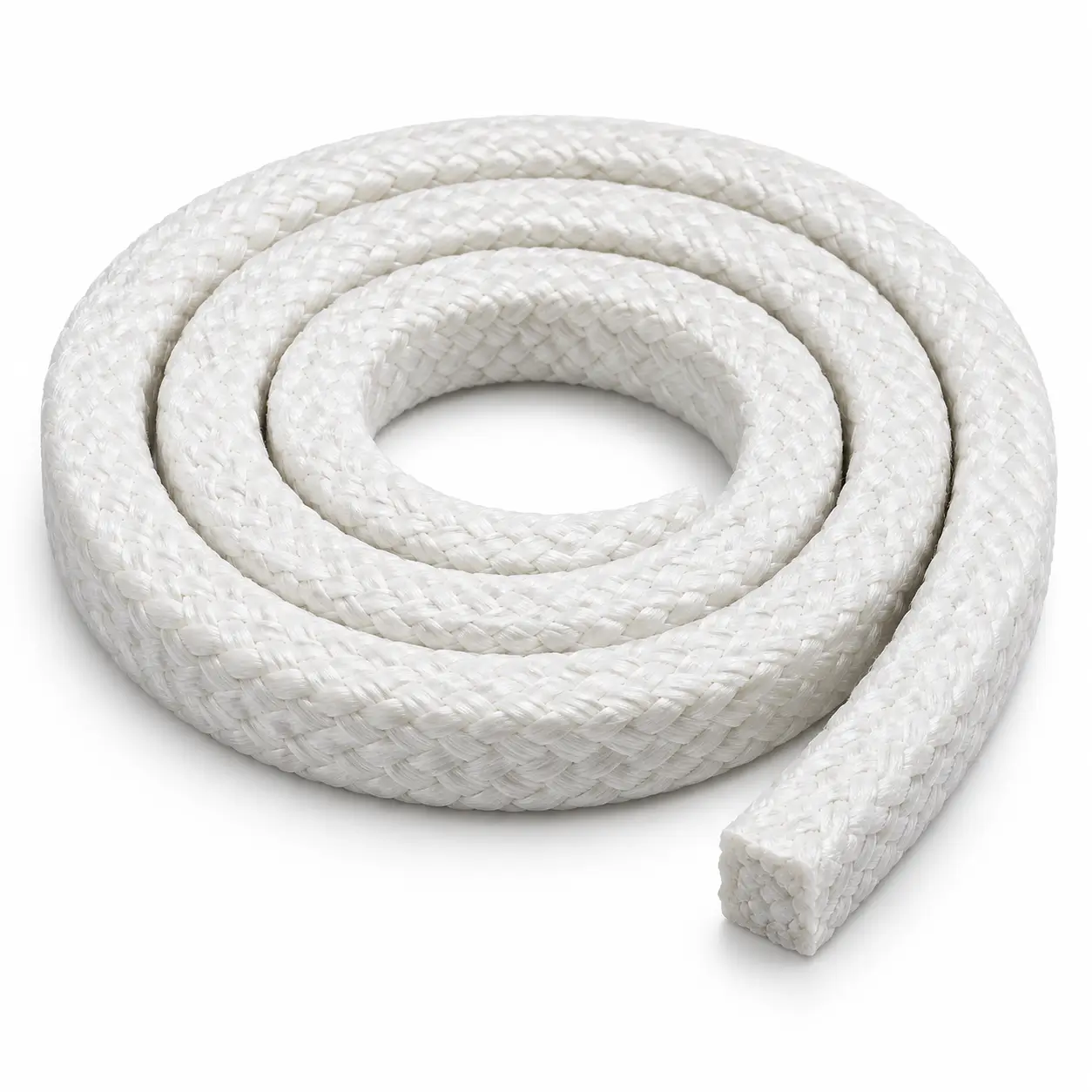
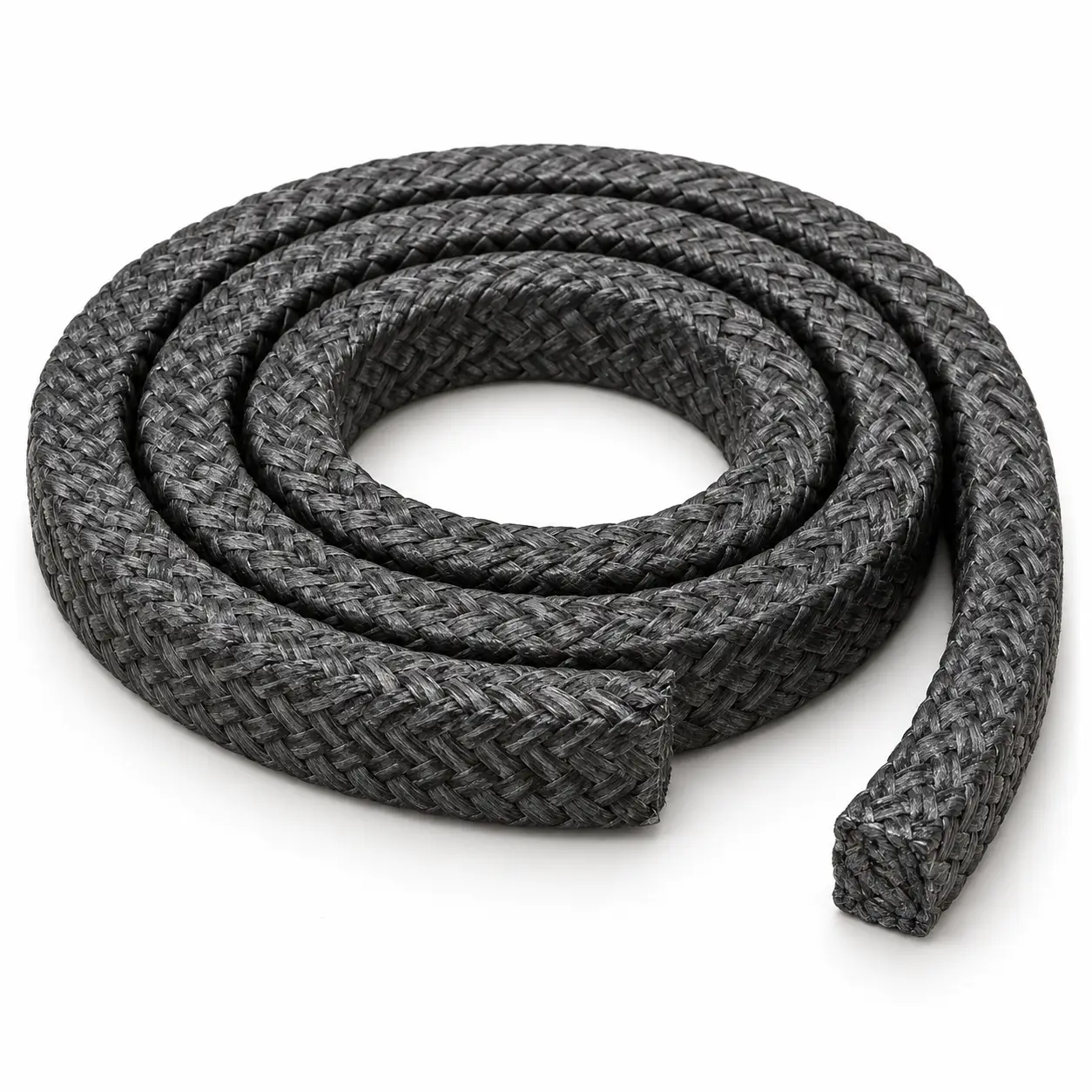
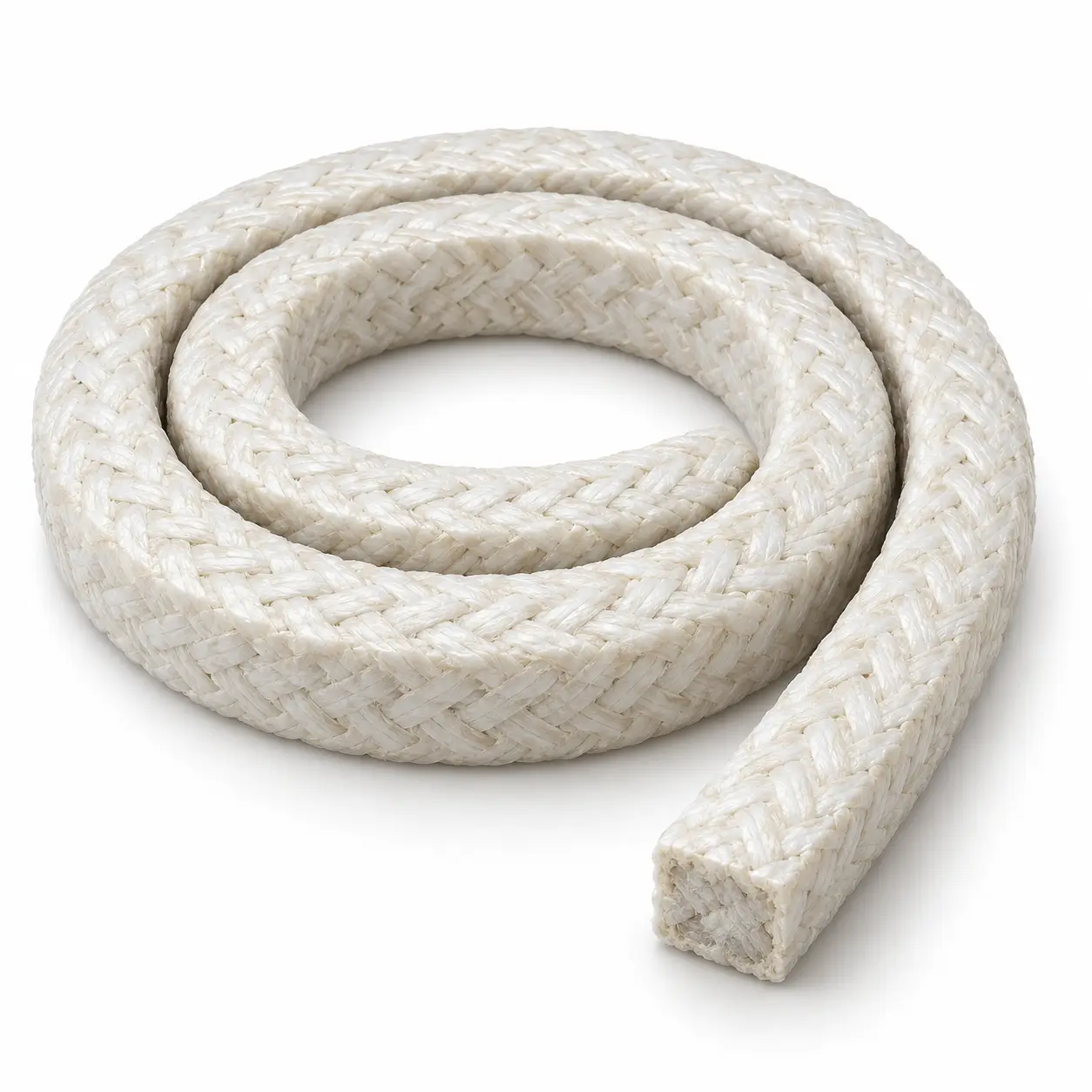
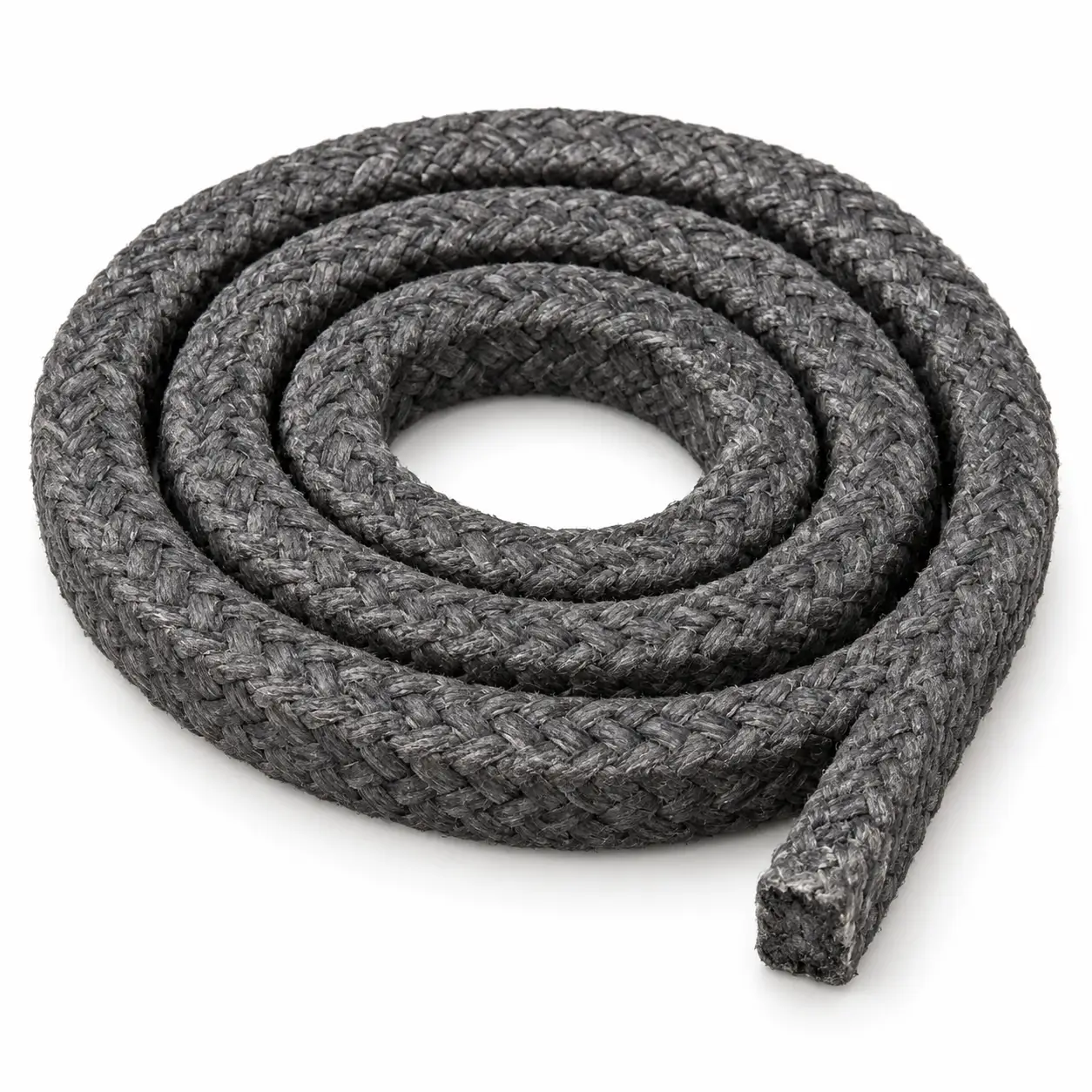
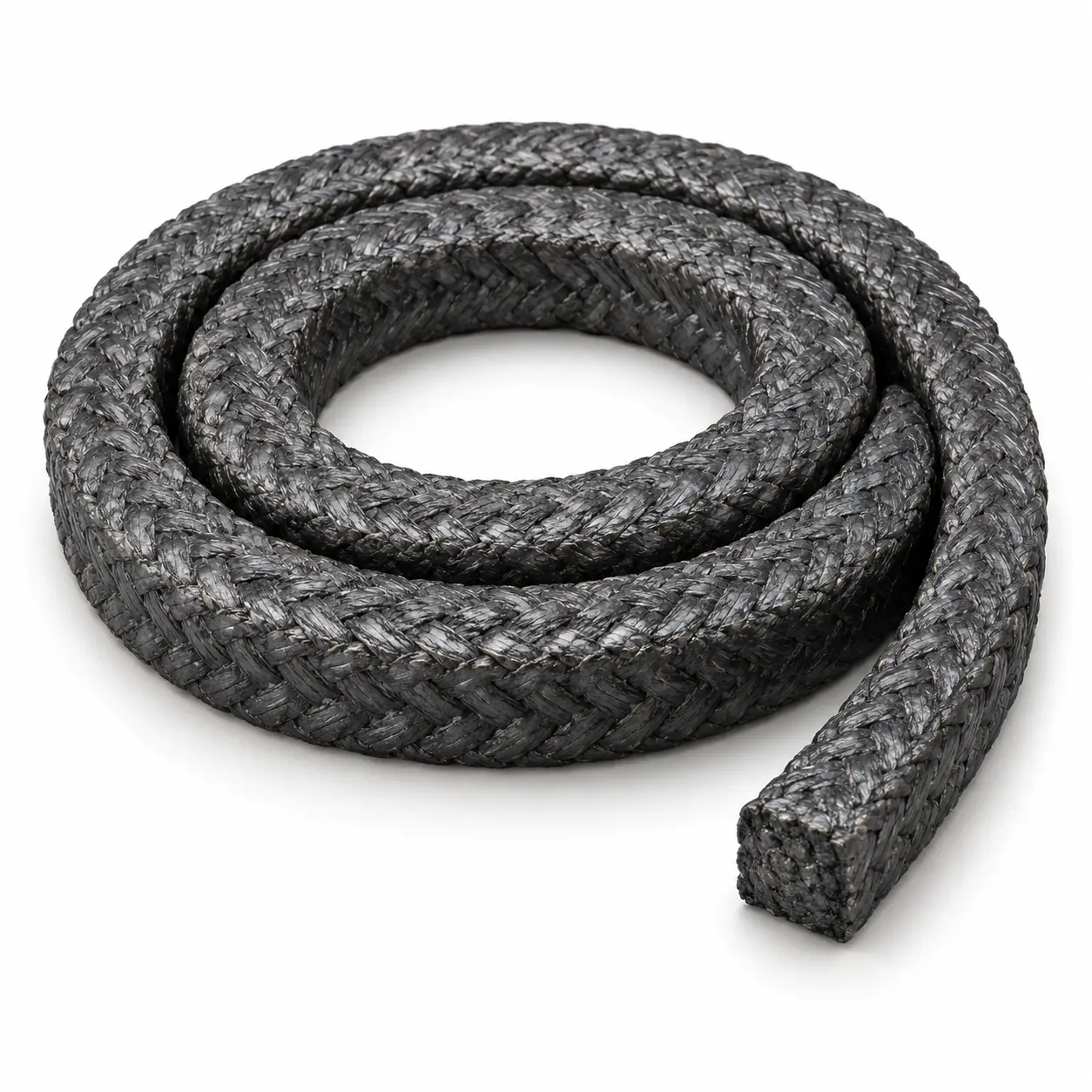
When a procurement team receives a line-down request for a leaking pump or a passing valve, the fastest path is rarely the cheapest one. Buyers need a sealing solution that survives pressure, temperature, chemical attack, and repeated gland adjustments without turning every maintenance shift into an emergency. That is why more plant teams are asking: How Do Mineral Fiber Packings Work in Pumps and Valves? In simple terms, mineral fiber packings are braided compression seals made from inorganic fibers—often glass, rock, or ceramic fiber—combined with lubricants, binders, and sometimes graphite or PTFE to control friction and leakage. In a pump, the packing forms a flexible ring set around the shaft; the gland compresses it, creating a controlled seal that allows a small flush flow for cooling and lubrication. In a valve, the same ring set surrounds the stem and resists both pressure and movement. The result is a robust, cost-effective seal for applications where elastomers fail, yet performance depends on correct fiber selection, braid construction, size, installation, and break-in. For buyers, the commercial benefit is clear: fewer emergency orders, longer service intervals, and a lower total cost of ownership when the specification matches the duty. Ningbo Kaxite Sealing Materials Co., Ltd. supports that match with mineral fiber packing options, technical data, and export-ready supply. This article explains the mechanics, selection parameters, installation checks, and troubleshooting steps that help purchasing teams specify with confidence.
Jump to a section:
A buyer often receives three quotes for the same pump or valve, each with a different packing description, and still cannot tell which option will survive the line. The pain is not just price comparison; it is the risk of a seal that swells, hardens, conducts heat, or wears a shaft because the fiber and lubricant were chosen for the wrong duty. Mineral fiber packings solve that problem when they are specified as an engineered sealing system rather than a generic rope. The braid holds the fiber bundle together, the impregnation controls friction and chemical resistance, and the ring dimensions determine how evenly the gland load reaches the shaft or stem. These packings are strong candidates for moderate-to-high temperature service, abrasive slurries, steam, weak acids and alkalis, and locations where a small controlled leak is acceptable or even desirable for cooling. They are not a universal replacement for every elastomer or PTFE packing, so the purchasing decision should start with the operating envelope and the maintenance strategy.
| Packing type | Typical temperature | pH range | Pressure guide | Best-fit service | Procurement note |
|---|---|---|---|---|---|
| Glass fiber packing | -100 to 260 °C | 2–12 | Up to 10 bar | General chemical pumps and valves | Confirm lubricant and shaft speed |
| Rock/mineral fiber packing | -50 to 300 °C | 3–11 | Up to 15 bar | Process water, steam, mild chemicals | Request MSDS and braid construction |
| Ceramic fiber packing | Up to 650 °C | 2–12 | Up to 10 bar | High-temperature valve and flue service | Avoid high shaft speed; verify thermal cycling |
| Graphite-impregnated mineral fiber | -200 to 450 °C | 0–14 | Up to 20 bar | Steam, thermal oil, aggressive chemical duty | Check conductivity and oxidation limits |
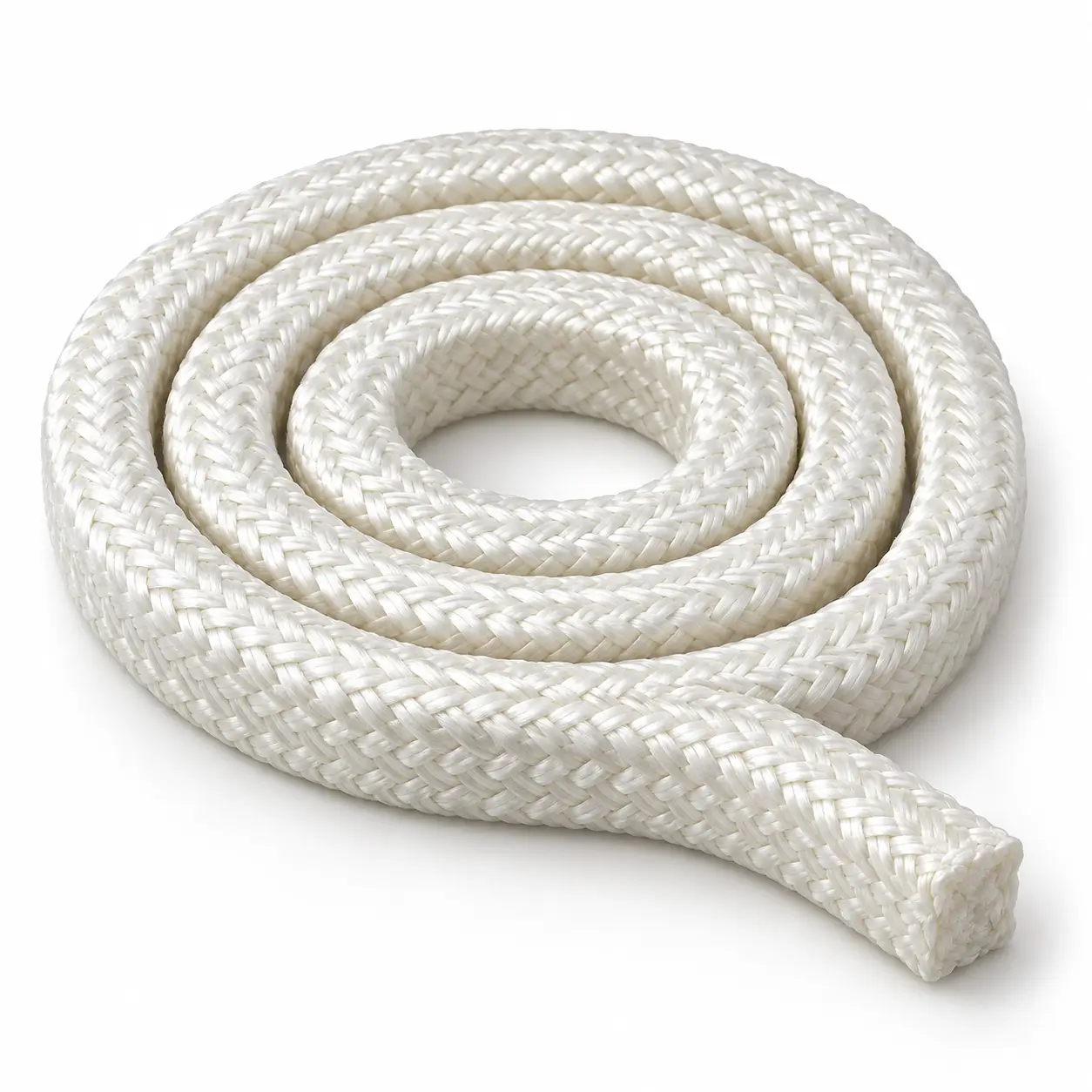
A centrifugal pump begins to drip at the gland, maintenance tightens the bolts, and within weeks the shaft sleeve is scored. That familiar scene is the main pain point in pump sealing: too much gland force creates heat and wear, while too little force allows leakage that reaches the floor and the maintenance budget. Mineral fiber packing works by converting gland compression into radial sealing force through a stack of braided rings. The rings press against the shaft and the stuffing box wall, and the braid structure allows a small amount of flush liquid to pass for cooling and lubrication. A lantern ring can be added to distribute flush water, and the number of rings is set by the stuffing box depth. The correct result is not zero visible leakage; it is a stable, controlled drip that keeps friction low and the packing alive. For procurement, the specification must match shaft speed, surface finish, flush quality, and shutoff pressure, not only pipe size.
| Pump duty input | Packing check | Data to confirm before order |
|---|---|---|
| Shaft speed and surface finish | Fiber type and braid density | RPM, shaft hardness, Ra finish |
| Stuffing box pressure | Ring count and gland load | Suction and discharge pressure |
| Flush water quality | Lantern ring position | Flow rate, temperature, solids content |
| Chemical attack | Impregnation and binder | Concentration, pH, MSDS |
| Maintenance interval | Wear allowance and spare rings | Target MTBF and shutdown window |
A valve that sits idle for weeks and then strokes under thermal load can leak at the stem even when the packing was tight at installation. The pain point is movement: valve stems rise, rotate, or oscillate, and the packing must seal while accepting that motion without seizing or cracking. Mineral fiber packing works as a compressible ring stack around the stem. The gland compresses the rings axially, and the braid expands radially against the stem and bonnet bore. Graphite or lubricant reduces stem friction, while the mineral fiber provides thermal stability and resistance to extrusion. In high-temperature service, live loading or Belleville washers help maintain gland force as the packing relaxes and the stem expands. In chemical service, the impregnation must match the medium; a packing that works in steam may fail in a strong oxidizer. The buyer should confirm stem diameter, stroke type, pressure class, temperature cycle, and emission target before comparing quotations.
| Valve service | Recommended packing feature | Buyer question to ask |
|---|---|---|
| High-temperature steam | Graphite-impregnated mineral fiber | What is the oxidation limit and live-loading option? |
| Thermal cycling | Flexible braid with controlled recovery | How much gland adjustment is expected after start-up? |
| Chemical isolation | Chemically resistant impregnation | Is the binder compatible with the full concentration range? |
| Low-emission service | Pre-compressed rings and precise tolerances | What test data supports the emission target? |
| Frequent operation | Low-friction surface treatment | Will stem friction affect actuator sizing? |
The most expensive packing is the one that arrives with the wrong data. A purchasing team may compare price per kilogram, but the maintenance team needs ring size, braid type, temperature limit, pH range, pressure rating, and lubrication details. Without those fields, quotations are not comparable, and a low-cost order can create a high-cost shutdown. The solution is a short RFQ checklist that forces every supplier to answer the same application questions. Ningbo Kaxite Sealing Materials Co., Ltd. can support this stage with mineral fiber packing specifications, size confirmation, and application review for pumps and valves, helping buyers reduce the risk of a mismatched shipment. The checklist should also confirm packaging, cut lengths, spool or ring-set supply, documentation, and lead time. When the technical and commercial data are aligned, the buyer can compare total cost rather than unit price.
| Specification field | What to request | Risk if missing |
|---|---|---|
| Dimensions | Square size, tolerance, ring count | Leakage and difficult installation |
| Temperature | Continuous and peak °C | Hardening, binder loss, early failure |
| Chemical compatibility | pH range and concentration limits | Swelling, weight loss, stem corrosion |
| Pressure | Static and dynamic rating | Extrusion and blowout risk |
| Documentation | Datasheet, MSDS, batch traceability | Audit delays and unclear claims |
| Supply format | Spool, precut rings, or ring sets | Waste, wrong fit, extra labor |
A high-quality mineral fiber packing can fail in the first shift if the rings are cut long, driven into the stuffing box with a hammer, or tightened to zero leakage. The pain point is that installation is often treated as a quick mechanical task rather than part of the sealing specification. The solution is a controlled procedure: clean the stuffing box, inspect the shaft or stem, cut rings to the correct length, stagger joints, seat each ring individually, and apply gland load in small increments. During break-in, the packing needs time to conform; over-tightening at start-up removes the cooling film and raises friction. For pumps, confirm flush flow before running. For valves, cycle the stem and recheck gland force after the first thermal cycle. Buyers can protect the investment by asking for installation guidance, spare rings, and a clear break-in checklist with the shipment.
| Installation step | Checkpoint | Acceptance signal |
|---|---|---|
| Clean stuffing box | Remove old packing and debris | No hard residue or scoring |
| Cut rings | Square cut, correct length | Ring fits without overlap |
| Stagger joints | 90° to 120° offset | No continuous leak path |
| Seat each ring | Light compression, not force | Rings sit level in box |
| Break-in | Gradual gland adjustment | Stable controlled leakage |
When a packing leaks again after replacement, the obvious response is to tighten the gland, but that can hide the real cause and increase shaft wear. The pain point for buyers is repeated purchase orders for the same failure without a change in specification. The solution is root-cause troubleshooting: check shaft runout, surface finish, flush pressure, chemical attack, gland alignment, and whether the packing was stored or cut correctly. A mineral fiber packing that hardens may be running above its temperature limit; one that extrudes may be under-supported or over-pressurized; one that wears the shaft may be too abrasive or too tight. Ningbo Kaxite Sealing Materials Co., Ltd. helps buyers connect field symptoms to packing selection, so the next order solves the application instead of repeating the problem. Total cost of ownership includes downtime, labor, shaft sleeves, energy from friction, and emergency freight—not only the price on the packing invoice.
| Symptom | Likely cause | Corrective action | Procurement impact |
|---|---|---|---|
| Persistent drip after tightening | Wrong size or worn shaft | Measure box and shaft; replace rings | Prevents repeat orders |
| Hard, brittle packing | Temperature exceeded | Upgrade fiber or impregnation | Changes material specification |
| Stem seizure | Excess friction or corrosion | Review lubricant and stem finish | May require low-friction grade |
| Extrusion at gland | Pressure too high or clearance too large | Add support rings or change braid | Requires technical review |
| Frequent replacement | Installation or flush issue | Retrain and verify break-in | Reduces total spend |
In pumps, mineral fiber packings work as a compression seal around the rotating shaft. The gland compresses braided rings, which press against the shaft and stuffing box wall. A small controlled leak is normally expected to cool and lubricate the packing. The correct specification depends on shaft speed, surface finish, pressure, temperature, flush water, and chemical compatibility. If the gland is over-tightened, friction and heat rise; if it is too loose, leakage increases. Buyers should confirm ring size, braid type, and installation guidance before ordering.
In valves, mineral fiber packings work as a compressible stem seal. The ring stack is compressed by the gland and expands against the stem and bonnet bore. Because the stem moves, the packing must balance sealing force with low friction and thermal recovery. Graphite-impregnated mineral fiber is common in high-temperature steam and thermal oil service, while other impregnations suit chemical duty. Live loading can help maintain gland force during thermal cycling. The buyer should match the packing to pressure class, temperature cycle, medium, and emission target.
If you are comparing mineral fiber packing options for a pump or valve project, send the operating conditions before you send a purchase order. Include shaft or stem diameter, medium, concentration, temperature, pressure, speed or stroke, flush details, and the target maintenance interval. A short technical review can prevent a low-cost order from becoming a repeated failure.
Ningbo Kaxite Sealing Materials Co., Ltd. is a sealing materials supplier focused on mineral fiber packings, braided packing, and application support for pumps and valves. Through https://www.mineral-fiber-packing.com, the company helps buyers compare specifications, confirm dimensions, request samples, and source export-ready sealing products. For quotations, datasheets, or technical questions, contact [email protected].
Research References
Smith, J. A., & Patel, R. (2018). Braided packing seals for rotating equipment: friction, leakage, and service life. Sealing Technology, 2018(4), 7–12.
Zhang, L., Wang, H., & Chen, Y. (2020). Tribological performance of mineral fiber reinforced composites under dry sliding. Tribology International, 145, 106–115.
Kumar, S., & Rao, P. V. (2019). Valve stem packing behavior under thermal cycling. Journal of Pressure Vessel Technology, 141(3), 031601.
Müller, D., & Becker, K. (2017). Compression packing selection for chemical pumps. World Pumps, 2017(6), 24–29.
Tanaka, H., Sato, M., & Ito, K. (2021). Leakage control and gland force optimization in braided compression packings. Journal of Tribology, 143(8), 081401.
Garcia, M. E., & Lopez, R. (2016). Mineral fiber packing in high-temperature valve service. Valve World, 21(5), 58–63.
Anderson, P., & Wu, J. (2022). Friction and wear of graphite-impregnated mineral fiber packings. Wear, 488–489, 204–213.
Singh, A., & Verma, N. (2018). Experimental study of pump shaft sealing with composite packing rings. Proceedings of the Institution of Mechanical Engineers, Part J: Journal of Engineering Tribology, 232(9), 1123–1134.
Brown, T., & Evans, L. (2020). Procurement specification for industrial packing materials. Sealing Technology, 2020(11), 5–9.
Zhao, Y., Li, Q., & Sun, F. (2023). High-temperature stability of ceramic and mineral fiber sealing composites. Journal of Materials Engineering and Performance, 32(14), 6612–6624.
-
-