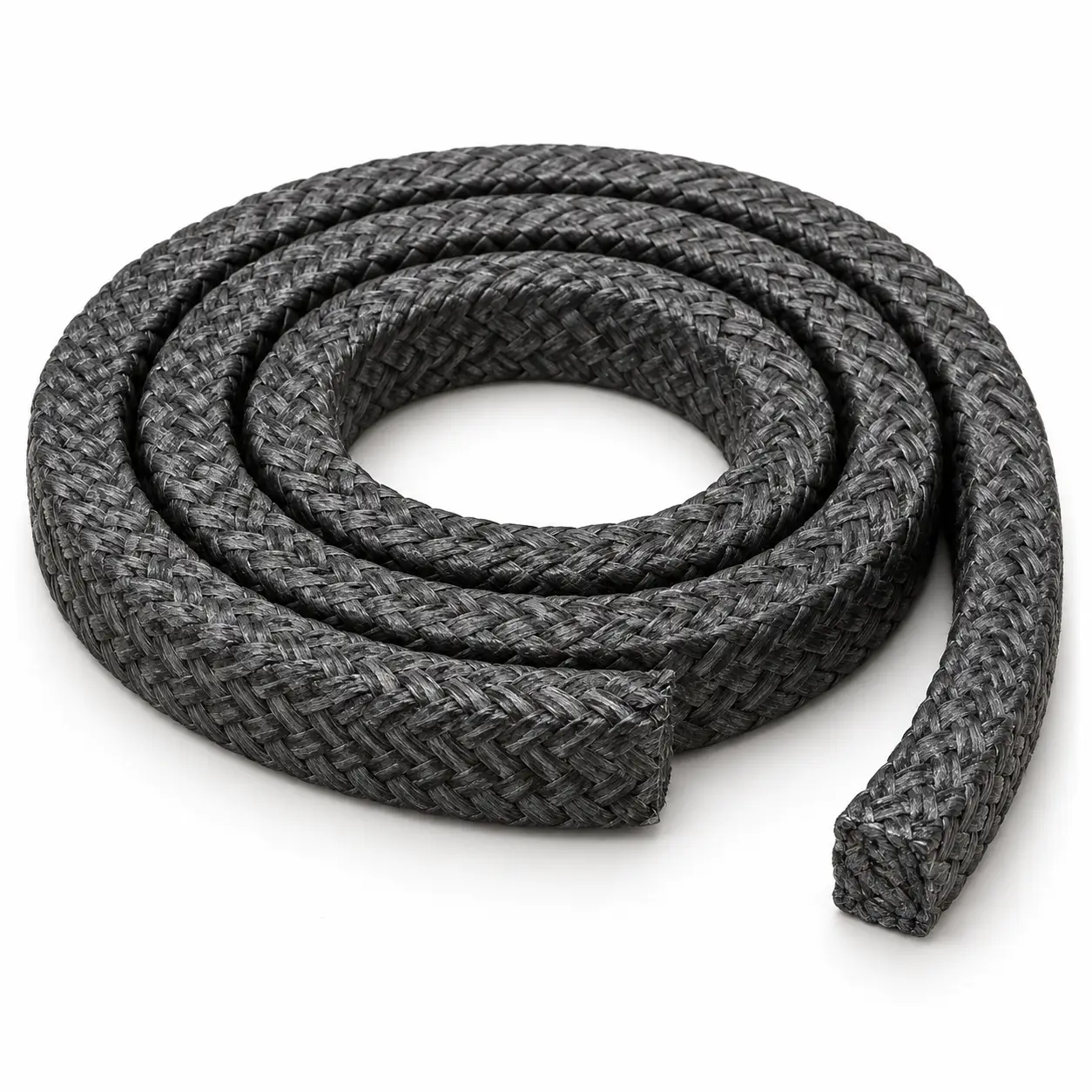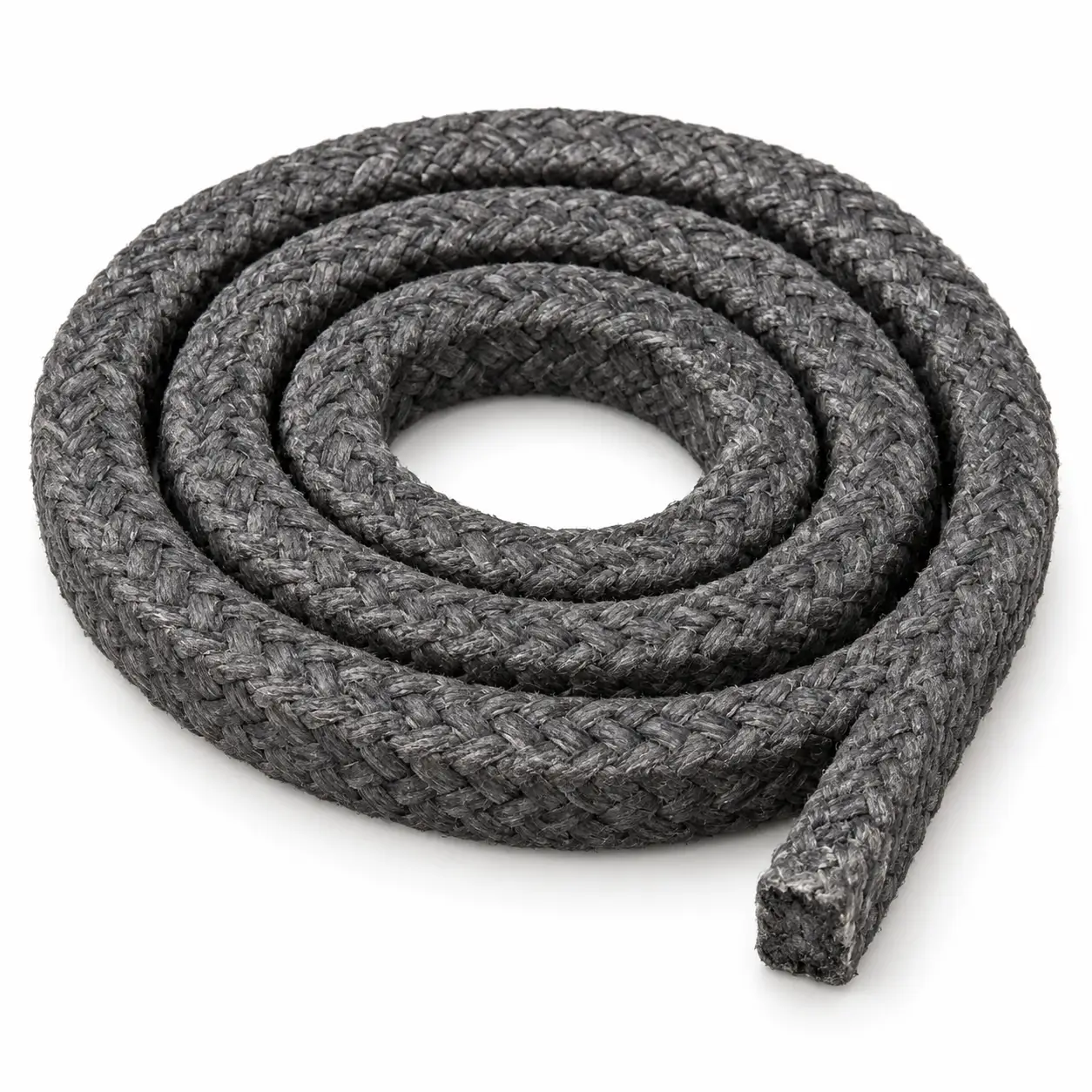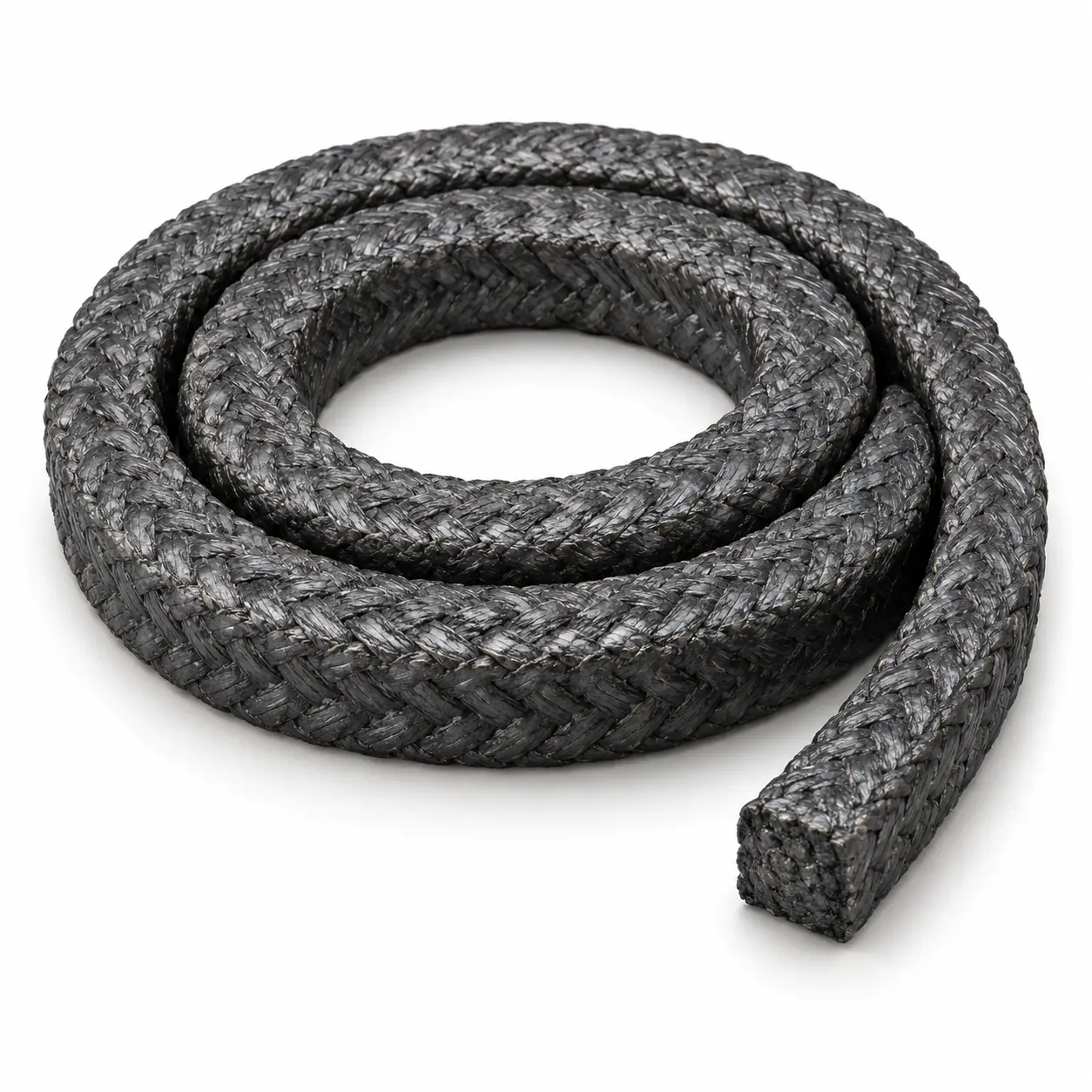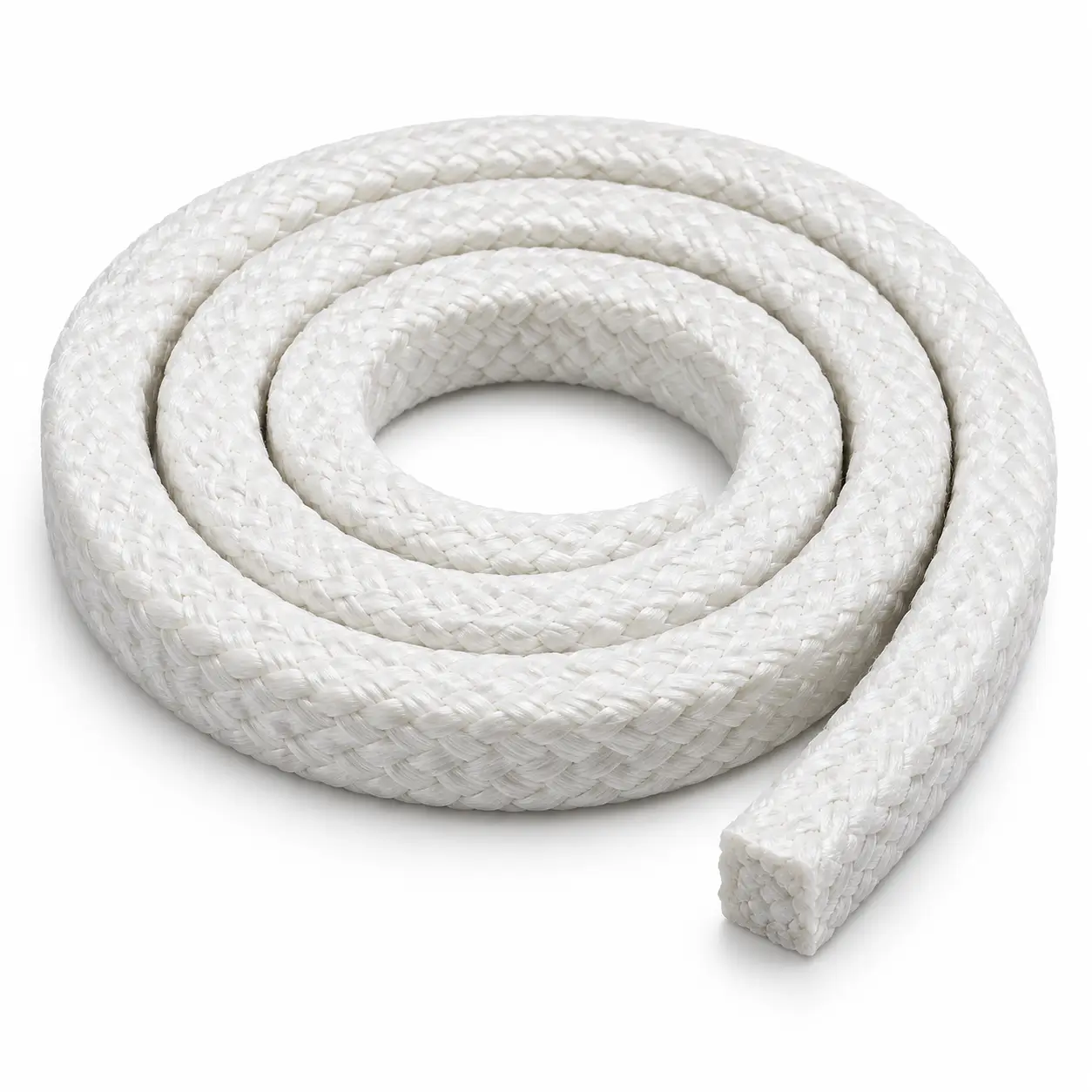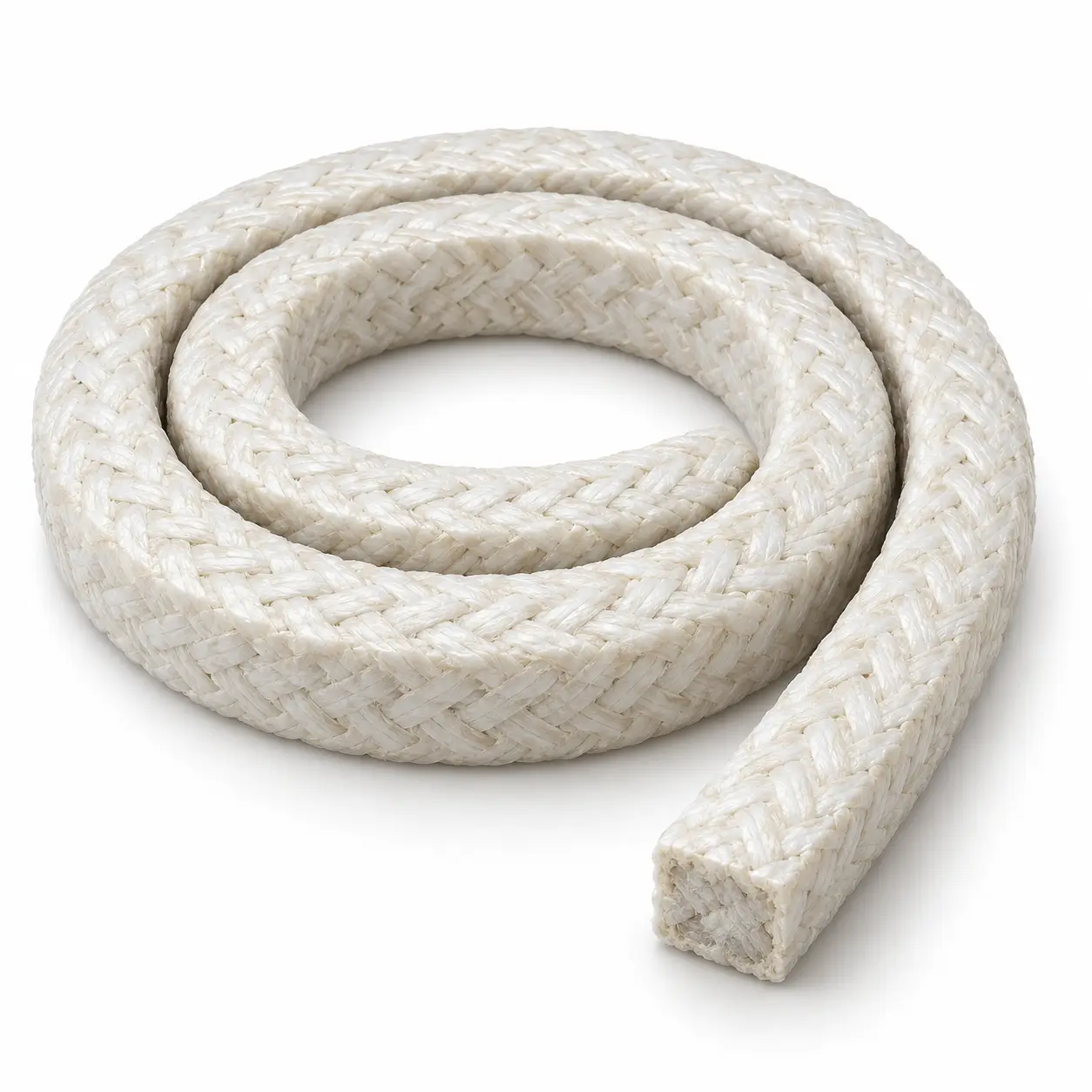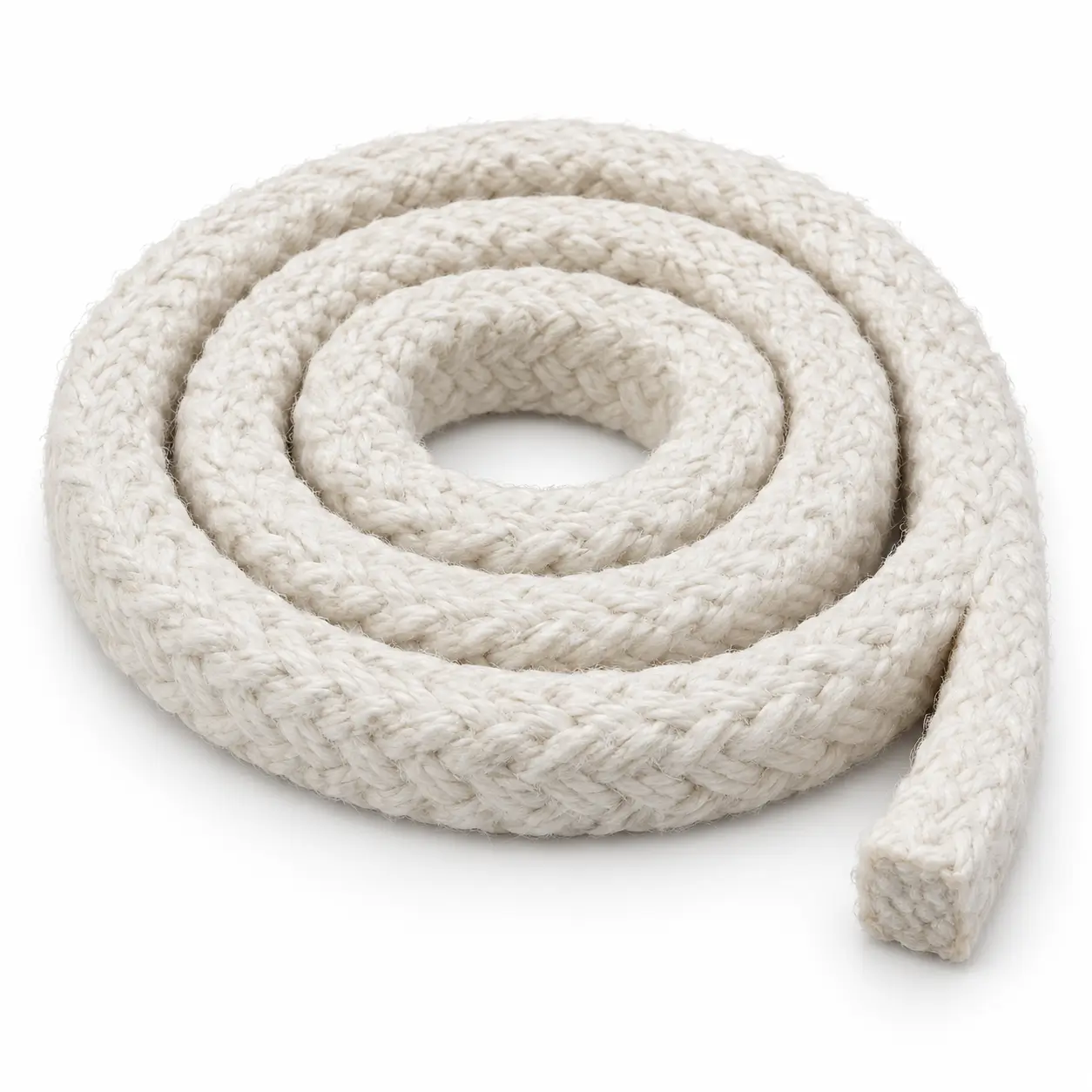

When a maintenance team sees a pump gland dripping during a weekend shift, the buying decision rarely stays in the plant. Procurement teams are asked to compare non-asbestos options quickly, confirm chemical compatibility, and protect uptime without overpaying. That is why the question “What Are the Advantages and Disadvantages of Mineral Fiber Packings?” appears so often in RFQs from chemical plants, pulp mills, power stations, and marine operators. Mineral Fiber Packings are a family of braided or twisted sealing products made from inorganic fibers—often glass, rock, ceramic, or silicate-based fibers—combined with binders, lubricants, and reinforcing yarns. They appeal to buyers who need a non-asbestos packing with good heat resistance, predictable pricing, and broad availability. At the same time, mineral fiber packings are not a universal drop-in replacement for every graphite, PTFE, or aramid packing. Their performance depends on fiber type, braid structure, impregnation, shaft speed, media, and gland adjustment. A low-cost packing can become expensive if it glazes a shaft, leaks aggressively, or requires frequent repacking. Conversely, a well-specified mineral fiber packing can deliver stable sealing in high-temperature, abrasive, or chemically moderate duties. This guide breaks down the real advantages and disadvantages in procurement language, with comparison tables, application guidance, and practical selection checks. Ningbo Kaxite Sealing Materials Co., Ltd. supports buyers with application review, sample evaluation, and specification matching so the chosen packing fits the equipment—not just the purchase order.
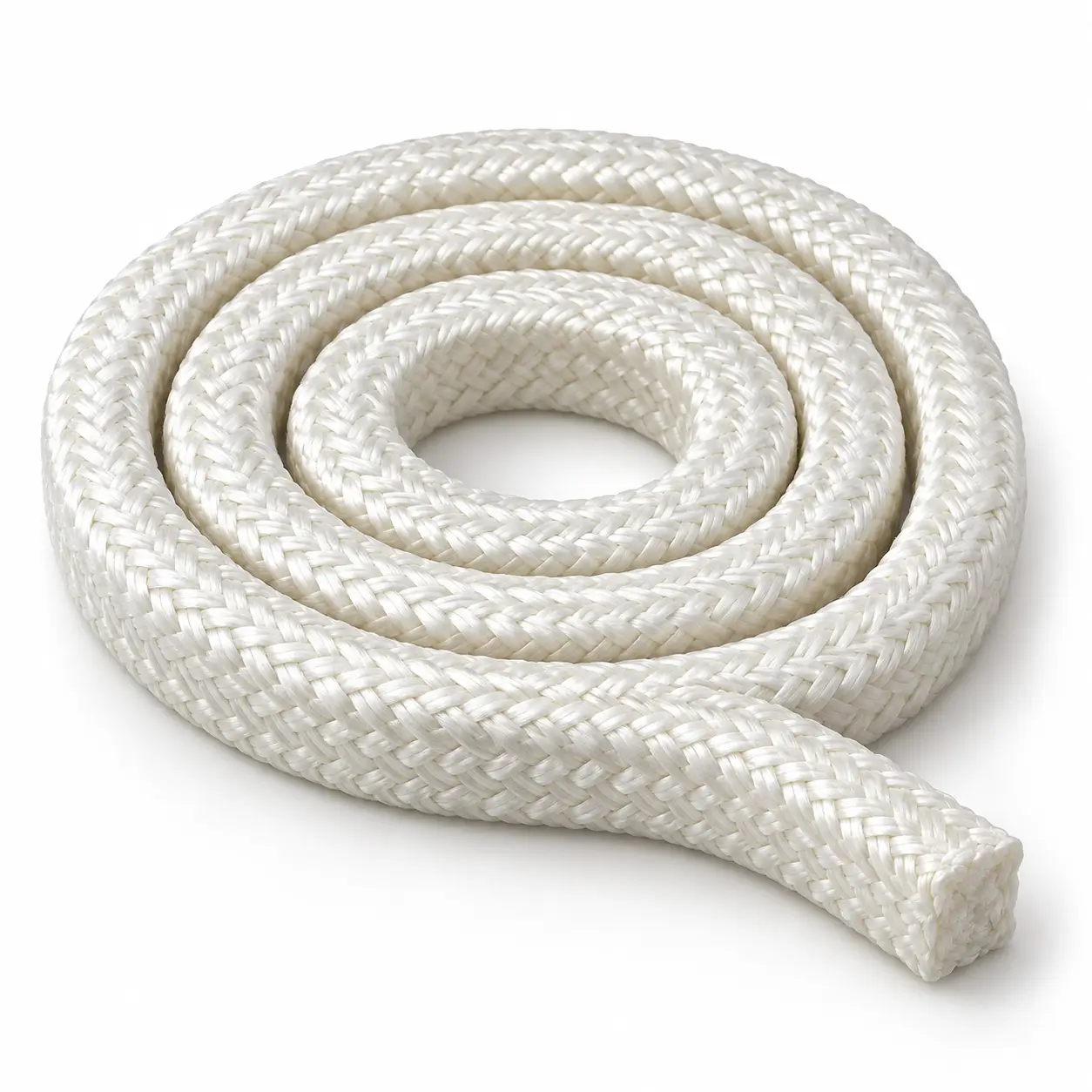
Scenario: A maintenance planner sends an urgent RFQ for non-asbestos packing after a valve stem starts weeping. The old datasheet lists asbestos, the pump room has mixed temperatures, and three suppliers offer “mineral fiber” with very different binders. Procurement must avoid a cheap order that fails in two weeks and a premium order that is over-specified. The real pain is not finding a product; it is comparing products that look alike but behave differently in the gland.
Solution: treat mineral fiber packing as an engineered assembly, not a commodity rope. Confirm fiber base, braid construction, lubricant or impregnation, temperature and pH range, pressure, shaft speed, and media concentration. Ask for a writable specification line for each item. Ningbo Kaxite Sealing Materials Co., Ltd. helps buyers convert vague replacement requests into measurable packing data, then match the construction to the equipment duty. The table below gives procurement a quick parameter checklist before quotations are compared.
| Parameter | Confirm before order | Why it matters | Kaxite support |
|---|---|---|---|
| Fiber base | Glass, rock, ceramic, or silicate blend | Heat and abrasion behavior | Material recommendation |
| Binder or impregnation | Graphite, PTFE, silicone, or oil | Friction and chemical resistance | Compatibility review |
| Braid structure | Square, diagonal, or interlock | Density and leakage control | Sample and drawing check |
| Temperature | Continuous versus peak | Binder degradation | Application window confirmation |
| pH range | Specific service pH | Fiber or binder attack | Media screening |
| Pressure | Static versus dynamic | Extrusion and gland load | Size and style guidance |
| Shaft speed | Meters per second | Heat generation | Operating limit check |
| Typical duty | Pump, valve, or agitator | Installation method | Cross-reference support |
Scenario: A pulp mill needs to reseal several valve stems and a low-speed pump gland. The line runs hot, the slurry is mildly abrasive, and the storeroom wants one packing family instead of five. The buyer is under pressure to cut SKUs while keeping maintenance calls down. A mineral fiber packing can be attractive when the duty calls for heat resistance and mechanical toughness rather than ultra-low friction or strong caustic resistance.
Solution: compare total sealing cost, not price per meter. A suitable mineral fiber packing can resist high temperatures, hold shape under gland pressure, tolerate abrasive media better than many soft packings, and offer a non-asbestos alternative with predictable lead times. Good impregnation reduces friction and leakage, while dense braiding improves dimensional stability. The catch is that these benefits only appear when the fiber, binder, and braid are matched to the service. Ningbo Kaxite Sealing Materials Co., Ltd. reviews media, temperature, pressure, and shaft speed before recommending a construction, which helps procurement avoid a low-price order that creates repeat labor costs.
| Advantage | Field benefit | Procurement check | Kaxite action |
|---|---|---|---|
| High heat resistance | Stable in steam and hot gas | Confirm continuous and peak temperature | Binder and fiber review |
| Non-asbestos option | Supports modern purchasing policies | Ask for a material declaration | Documentation support |
| Abrasion tolerance | Longer life in slurry and dirty media | Check particle size and speed | Construction matching |
| Dimensional stability | Holds gland pressure with less squeeze-out | Verify braid density | Sample evaluation |
| Cost predictability | Easier budget control | Compare life cycle, not meter price | Total cost guidance |
| Broad availability | Faster replenishment | Confirm size and style | Stock and lead-time review |
Scenario: A chemical plant switches from aramid to a low-cost mineral fiber packing to meet a non-asbestos target. Two weeks later, operators report a hot gland, black leakage, and visible shaft wear. The buyer is asked why the “equivalent” packing failed. In most cases, the issue is not the fiber family itself; it is a mismatch between lubricant, braid density, shaft speed, and gland adjustment.
Solution: screen out unsuitable duties early. Mineral fiber packings can run at higher friction than graphite or PTFE packings, and hard fiber edges may damage a soft shaft if lubrication is poor or the gland is over-tightened. Some binders are not suitable for strong acids, strong alkalis, or oxidizing media. At high shaft speeds, heat generation can glaze the packing and score the sleeve. Procurement should require a written operating window and an installation method. Ningbo Kaxite Sealing Materials Co., Ltd. helps buyers flag these risks before order release by reviewing shaft material, surface finish, leakage target, and maintenance practice.
| Risk | Root cause | Mitigation | Specification language |
|---|---|---|---|
| Shaft wear | Hard fiber, dry running, or over-tightening | Use suitable lubricant and sleeve hardness | “Non-abrasive grade for 316L sleeve” |
| Heat build-up | High speed or dense braid | Reduce speed or choose low-friction style | “Max shaft speed ___ m/s” |
| Leakage | Poor braid density or wrong size | Verify square section and tolerance | “Leakage class and size tolerance” |
| Chemical attack | Binder or fiber incompatible with media | Confirm pH and oxidizer exposure | “Suitable for ___ pH and ___ media” |
| Glazing | Excess gland load | Follow run-in and adjustment steps | “Installation procedure required” |
Scenario: A site wants to standardize on one mineral fiber packing for pumps, valves, and agitators to simplify purchasing. The maintenance team has mixed experiences: one gland runs cool and dry, another sees hot oil, and a third is on a high-speed pump. A single SKU may reduce inventory, but it can increase failures if the operating envelope is ignored.
Solution: use a selection matrix before negotiating price. Separate static and dynamic duties, note continuous versus peak temperature, confirm pH and abrasion, and check shaft speed and runout. For low-speed valve stems and moderate-temperature pumps, a well-impregnated mineral fiber packing can be a practical choice. For high-speed shafts or aggressive chemicals, a different packing family may deliver lower total cost. Ningbo Kaxite Sealing Materials Co., Ltd. supports buyers with cross-referencing, sample trials, and specification review so a standardization plan is based on duty groups rather than guesswork.
| Service condition | Mineral fiber approach | Caution | Kaxite action |
|---|---|---|---|
| Low-speed valve stem | Graphite-impregnated square braid | Avoid over-tightening | Size and style check |
| Moderate-temperature pump | Dense braid with lubricant | Confirm shaft speed | Application review |
| Abrasive slurry | Reinforced mineral fiber | Check particle size | Wear-resistant recommendation |
| Steam service | Heat-resistant grade | Confirm peak temperature | Binder selection |
| Strong acid or alkali | Usually not first choice | Verify chemical compatibility | Alternative material advice |
| High-speed pump | Evaluate low-friction alternative | Heat and shaft wear risk | Cross-reference support |
Scenario: A power station, a paper mill, and a chemical processor all ask for mineral fiber packing in the same month. The sizes look similar, but the duties are not. One application sees saturated steam, another sees abrasive white water, and the third sees a mild caustic solution. If procurement compares only price and size, the lowest quote may win the order and lose the uptime target.
Solution: tie each purchase line to an application profile. Record media, concentration, continuous temperature, pressure, shaft speed, equipment type, and leakage target. Then match the packing construction and installation method to that profile. The table below shows typical starting points; final selection should always be confirmed against the actual gland drawing and operating data. Ningbo Kaxite Sealing Materials Co., Ltd. can review these parameters and recommend a mineral fiber packing or a more suitable alternative when the duty falls outside the mineral fiber window.
| Application | Typical media | Temperature guide | Pressure guide | Shaft speed guide | Packing approach | Watchout |
|---|---|---|---|---|---|---|
| Valve stem | Steam, water, mild chemicals | Moderate to high | Low to medium | Low | Square braid with graphite | Gland load |
| Centrifugal pump | Water, slurry, pulp | Moderate | Medium | Medium | Dense braid with lubricant | Shaft runout |
| Agitator | Process mix | Moderate | Low | Low to medium | Interlock braid | Chemical compatibility |
| Steam line | Saturated steam | High | Medium | Low | Heat-resistant grade | Peak temperature |
| Wastewater pump | Dirty water | Ambient to moderate | Low to medium | Medium | Abrasion-tolerant style | Particle size |
Procurement teams often ask direct questions when they compare quotes for “What Are the Advantages and Disadvantages of Mineral Fiber Packings?” The short answers below help buyers move from a general product name to a specification that can be quoted, sampled, and installed with confidence.
| Question | Short answer | Buying action |
|---|---|---|
| What are the main advantages of mineral fiber packings? | Heat resistance, non-asbestos status, abrasion tolerance, and predictable availability. | Confirm the actual fiber, binder, and braid before comparing price. |
| What are the main disadvantages? | Higher friction risk, shaft wear potential, chemical limits, and installation sensitivity. | Request an operating window and installation guidance. |
| Can mineral fiber packing replace asbestos packing? | Often it can be considered, but only after checking temperature, pH, pressure, speed, and certification needs. | Use a written cross-reference, not a generic “equivalent” claim. |
Q: What are the main advantages of mineral fiber packings? A: They can handle high heat, resist abrasion in many dirty services, provide a non-asbestos option, and remain easy to source in common sizes. These advantages are strongest when the packing is properly impregnated and the gland is not over-tightened.
Q: What are the main disadvantages? A: Mineral fiber packings may generate more friction than graphite or PTFE options, can score a soft shaft if poorly specified, and may not suit strong acids, strong alkalis, or high-speed duties. The buyer should confirm the media and shaft speed before order release.
Q: Can mineral fiber packing replace asbestos packing? A: It is often evaluated as a replacement, but the safe approach is a documented cross-reference. Check continuous and peak temperature, pH, pressure, shaft speed, equipment type, and any site documentation requirements. Ningbo Kaxite Sealing Materials Co., Ltd. can help buyers review these points before a trial order.
Scenario: A buyer receives two quotes with the same size and pressure rating, but one supplier asks for shaft speed and the other does not. The difference matters because leakage and shaft wear are rarely caused by size alone. The table below gives procurement a fast review path for the second group of common questions.
| Question | What to confirm | Red flag |
|---|---|---|
| Does mineral fiber packing cause shaft wear? | Fiber hardness, lubricant, sleeve material, surface finish, and gland adjustment. | A quote that ignores shaft material and speed. |
| What temperature and pH limits should buyers specify? | Continuous and peak temperature, pH range, concentration, and oxidizer exposure. | Only a single maximum temperature with no media detail. |
| How should procurement compare suppliers? | Material declaration, tolerances, test data, application support, and lead time. | Generic “non-asbestos” claims with no construction data. |
Q: Does mineral fiber packing cause shaft wear? A: It can contribute to wear when the fiber is hard, lubrication is poor, the shaft is soft, or the gland is over-tightened. A suitable grade, correct installation, and a compatible sleeve material reduce this risk. Buyers should ask for a recommendation based on shaft speed and surface finish.
Q: What temperature and pH limits should buyers specify? A: Specify both continuous and peak temperature, the pH range, chemical concentration, and any oxidizing agents. A packing that works in mild water service may fail in a concentrated caustic solution. Ningbo Kaxite Sealing Materials Co., Ltd. reviews the media profile before suggesting a binder and fiber combination.
Q: How should procurement compare suppliers? A: Compare the written specification, material declaration, size tolerance, braid density, application questions, sample support, and delivery reliability. The lowest price per meter is not the lowest total cost if the packing fails early or forces repeated maintenance calls.
Scenario: A buyer has a valid specification but needs a supplier who can answer technical questions, provide samples, and keep delivery predictable. The risk is not only product quality; it is a communication gap that leads to the wrong size, the wrong binder, or a late shipment during a shutdown window.
Solution: use a supplier review table before releasing the purchase order. Confirm who reviews the application, how samples are handled, what documentation is available, and how quickly the supplier responds when the gland data changes. Ningbo Kaxite Sealing Materials Co., Ltd. supports procurement teams with application review, material matching, sample evaluation, and order follow-up so technical and commercial checks stay connected.
| Support item | What the buyer receives | Why it reduces risk |
|---|---|---|
| Application review | Media, temperature, pressure, and speed check | Fewer mismatched recommendations |
| Material matching | Fiber, binder, and braid guidance | Better fit for the gland duty |
| Sample evaluation | Trial packing and installation notes | Confidence before a full order |
| Documentation | Material and specification information | Easier internal approval |
| Order follow-up | Size, quantity, and lead-time confirmation | Fewer shutdown surprises |
Ningbo Kaxite Sealing Materials Co., Ltd. is a specialist supplier of mineral fiber packings, braided sealing products, and industrial sealing materials for procurement teams that need reliable specifications, sample support, and responsive delivery. The company works with buyers to review media, temperature, pressure, shaft speed, and installation practice, then recommends a packing construction that fits the equipment and the maintenance plan. For application questions, quotation requests, or cross-reference checks, contact [email protected] or visit https://www.mineral-fiber-packing.com.
Singh, A. K., 2019, Asbestos-free friction materials: a review, Journal of Materials Research and Technology, 8(3).
Wang, Y., 2018, Thermal and mechanical properties of mineral fiber reinforced composites, Construction and Building Materials, 186.
Zhang, H., 2020, Tribological behavior of braided packing materials under dry sliding, Tribology International, 151.
Rahman, M. A., 2017, Leakage performance of gland packings in reciprocating pumps, Journal of Engineering Tribology, 231(6).
Lee, S. K., 2016, Effect of impregnation on the friction and wear of fibrous seals, Wear, 356-357.
Singh, R. P., 2015, High-temperature sealing performance of non-asbestos gasket materials, Journal of Pressure Vessel Technology, 137(4).
Park, J. M., 2021, A review of asbestos replacement materials for industrial sealing applications, Materials Today: Proceedings, 45.
Chen, L., 2019, Chemical resistance of mineral fiber packings in alkaline media, Journal of Applied Polymer Science, 136(18).
Nakamura, T., 2018, Shaft wear caused by braided packings: an experimental study, Tribology Transactions, 61(5).
Brown, D. R., 2020, Life cycle cost analysis of pump sealing options, Journal of Cleaner Production, 254.