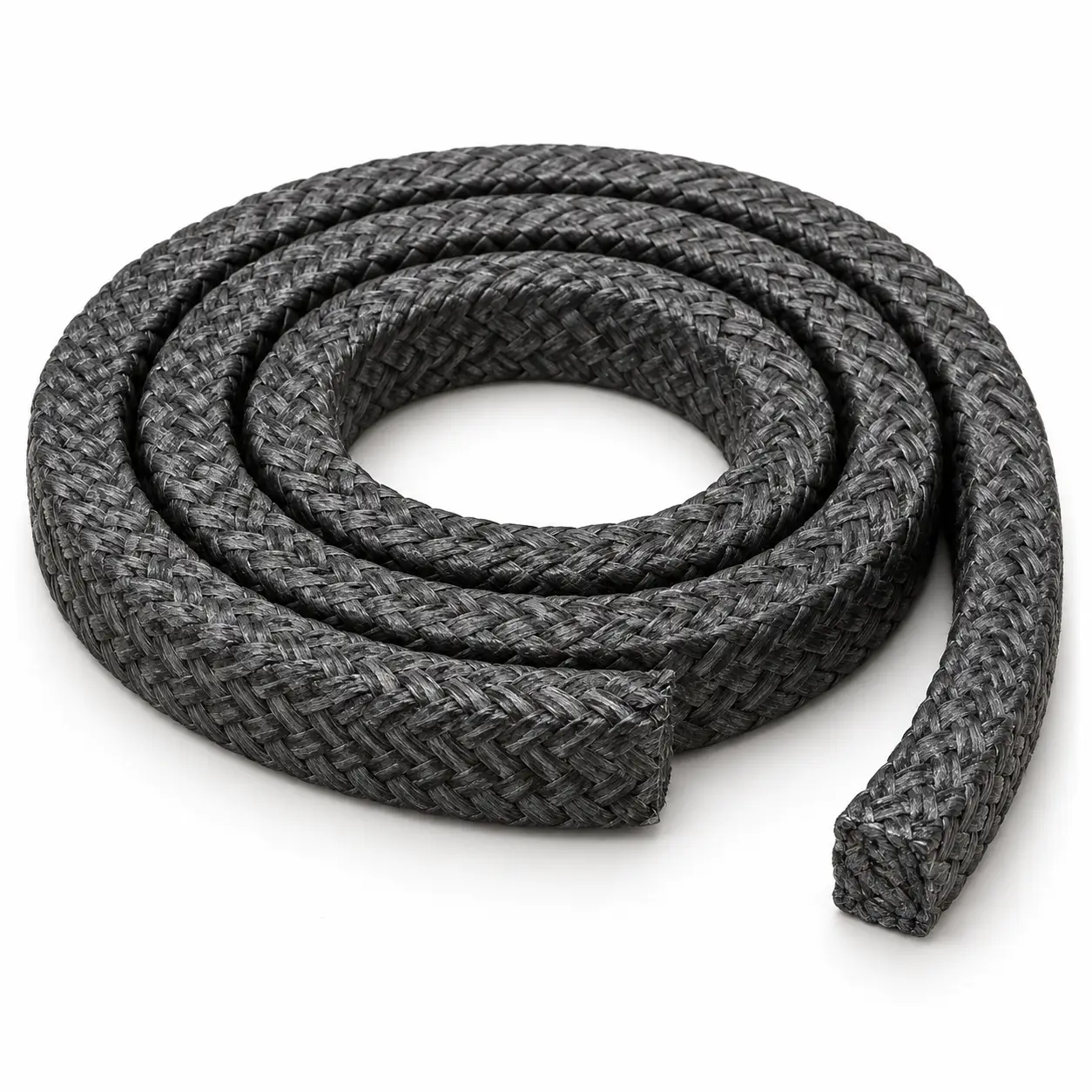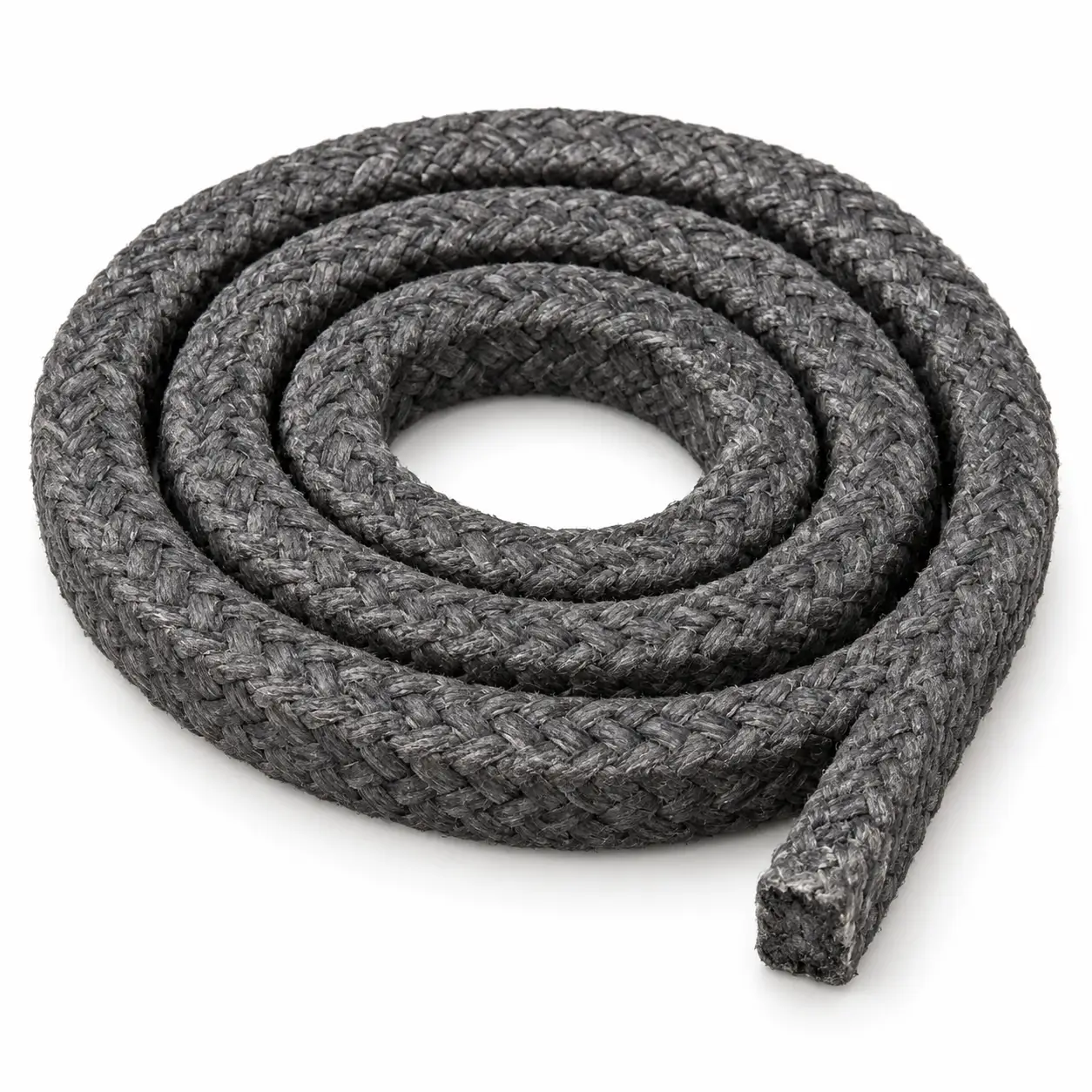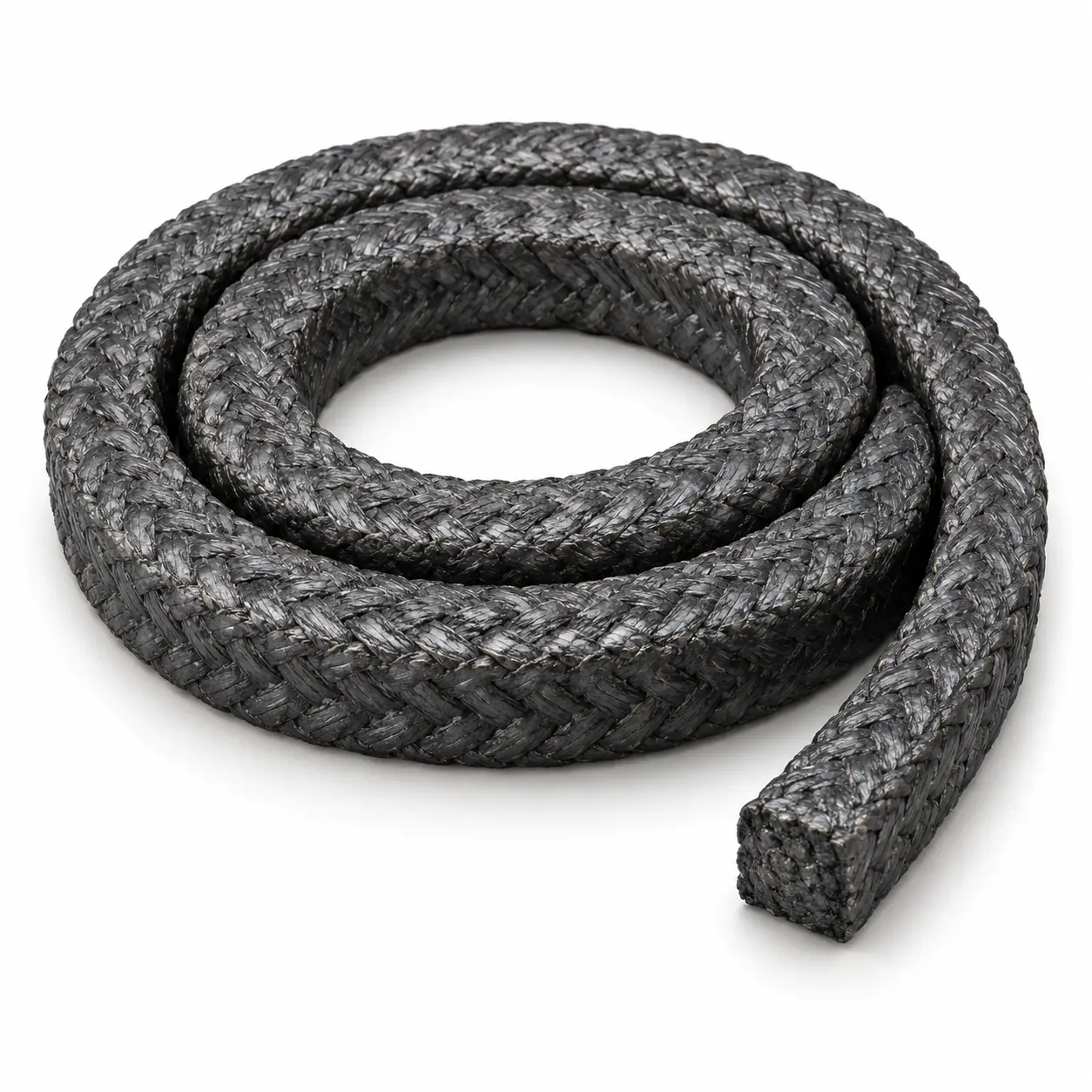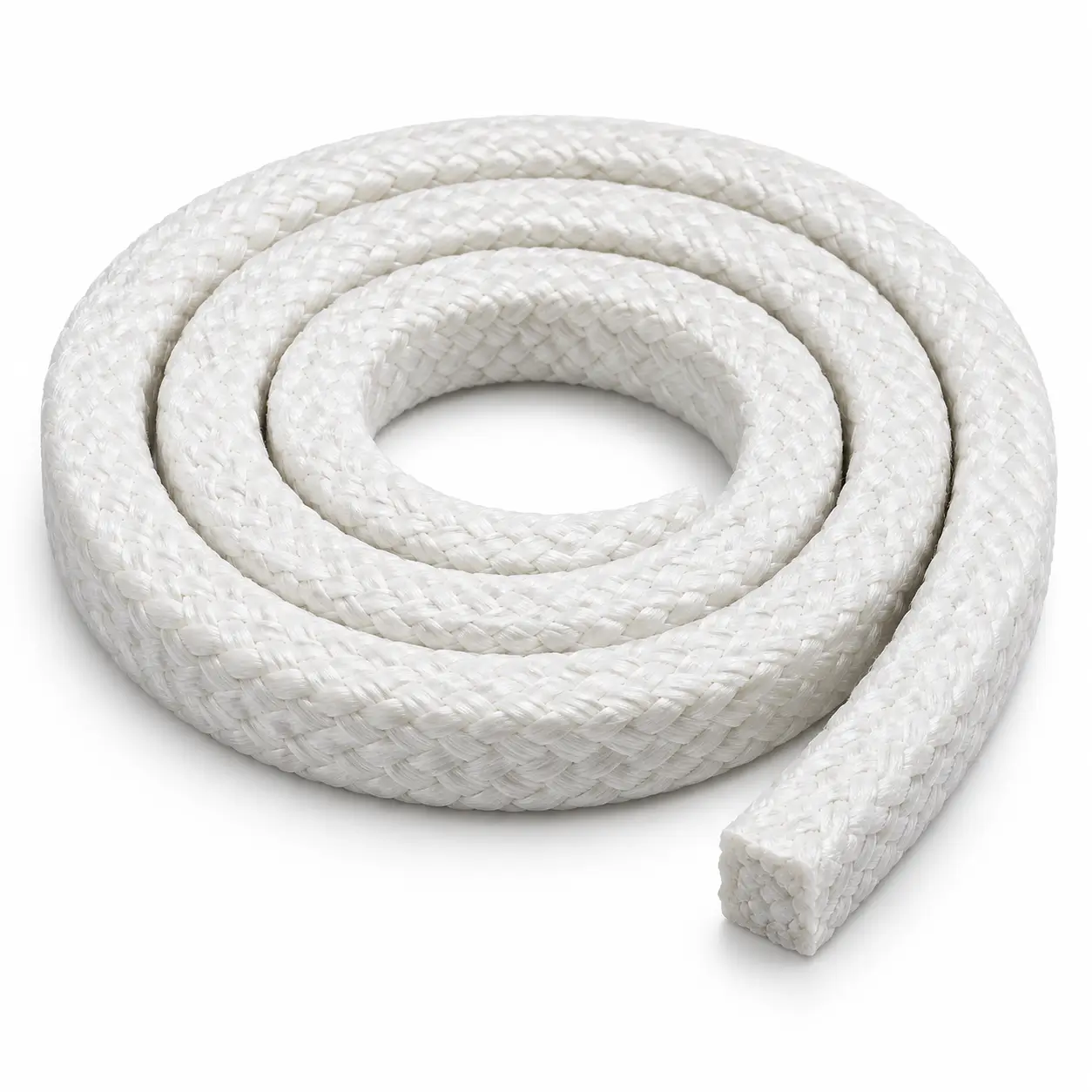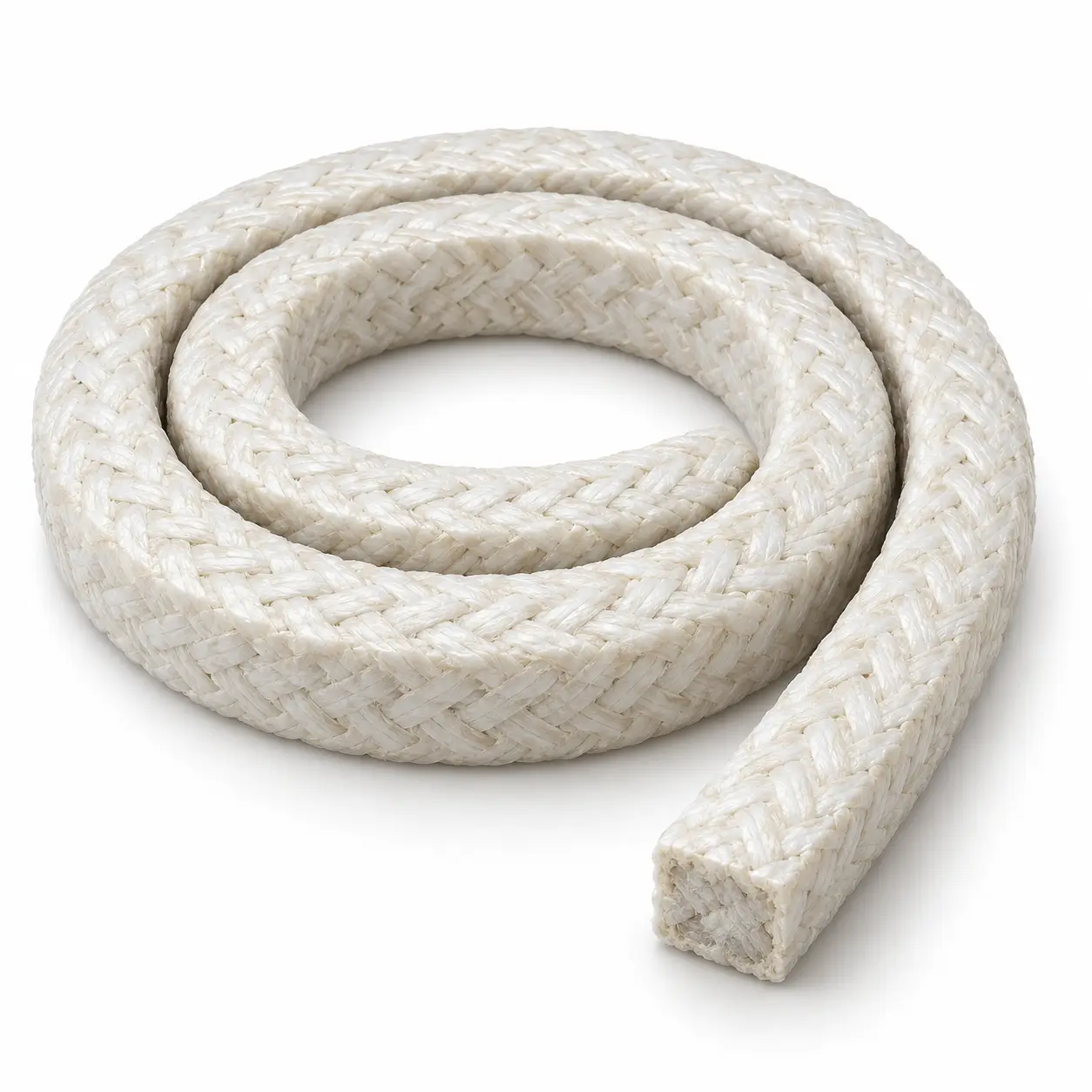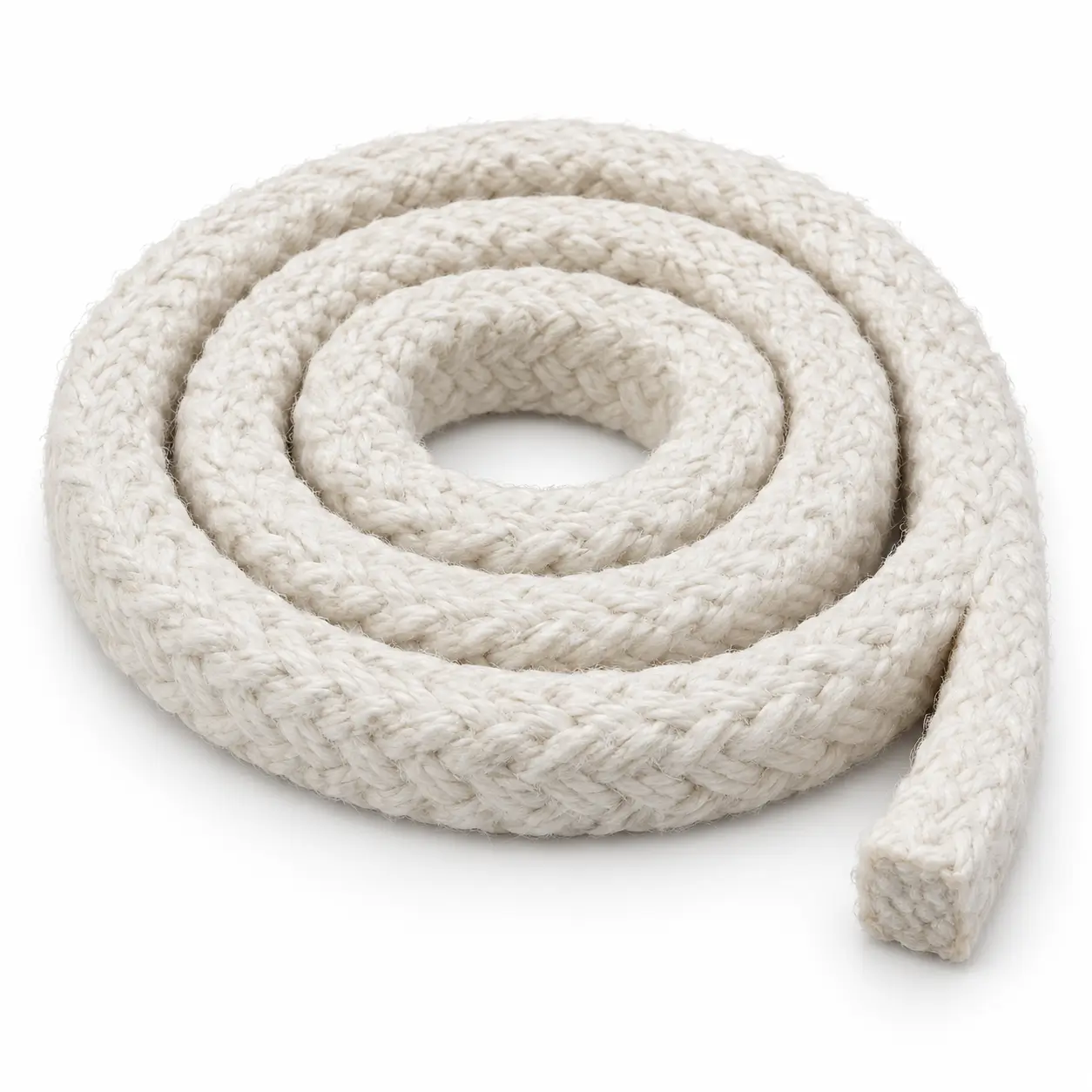

At 4:30 on a Friday, a maintenance planner messages the purchasing team: the pump gland is leaking, production is down, and the replacement packing is already on site. The buyer has the part number, but the crew is asking a more practical question: How Do You Install Glass Fiber Packing? A wrong answer can turn a simple maintenance job into a weekend of rework, shaft sleeve damage, and an urgent return. For procurement teams, installation quality is not only a maintenance issue; it affects total cost, supplier credibility, and line reliability. Glass Fiber Packing is strong, heat-resistant, and cost-effective, but it must be sized, cut, fitted, and tightened with discipline. A clean gland, correct cross-section, diagonal cuts, staggered joints, and a controlled run-in matter more than a rushed “tighten and go” approach. Ningbo Kaxite Sealing Materials Co., Ltd. supports buyers with consistent glass fiber packing, practical size guidance, and installation support that helps teams avoid repeated leakage and premature failure. This guide gives you a field-ready path: what to check before installation, how to install ring by ring, how to adjust the gland, how to troubleshoot leakage, and what to confirm in an RFQ. Use it as a practical checklist for your next pump or valve project.
Pain point scenario: A buyer receives a complaint that the new glass fiber packing leaked on the first shift. The packing was the right nominal size, but the gland was dirty, the shaft sleeve had a deep score, and the rings were forced into place with a blunt tool. The result is predictable: uneven compression, hot spots, and a leak that looks like a product failure but is actually an installation failure.
Solution: Treat installation as a controlled procedure. Confirm the application data, inspect the stuffing box and shaft sleeve, remove old packing completely, clean the gland, and verify the packing cross-section against the gland bore and shaft diameter. For high-temperature or chemical-duty pumps, check media, pH, pressure, and shaft speed before fitting. Ningbo Kaxite Sealing Materials Co., Ltd. helps procurement teams close the gap between datasheet and field condition by confirming dimensions and offering practical installation guidance for its glass fiber packing.
| Parameter | Typical reference | Buyer check |
|---|---|---|
| Temperature | -100°C to 550°C depending on impregnation | Confirm continuous vs peak temperature |
| Pressure | Up to 20 bar rotating; higher in static duty with engineering review | Share pump or valve data |
| pH range | 2–12 typical | Confirm chemical compatibility |
| Shaft speed | Low to moderate; verify for high-speed duty | Provide RPM and shaft diameter |
| Packing size | 3–25 mm common | Measure gland bore and shaft |
| Media | Water, steam, mild chemicals, oils | Confirm concentration and temperature |
| Gland type | Standard stuffing box | Check lantern ring and flush ports |
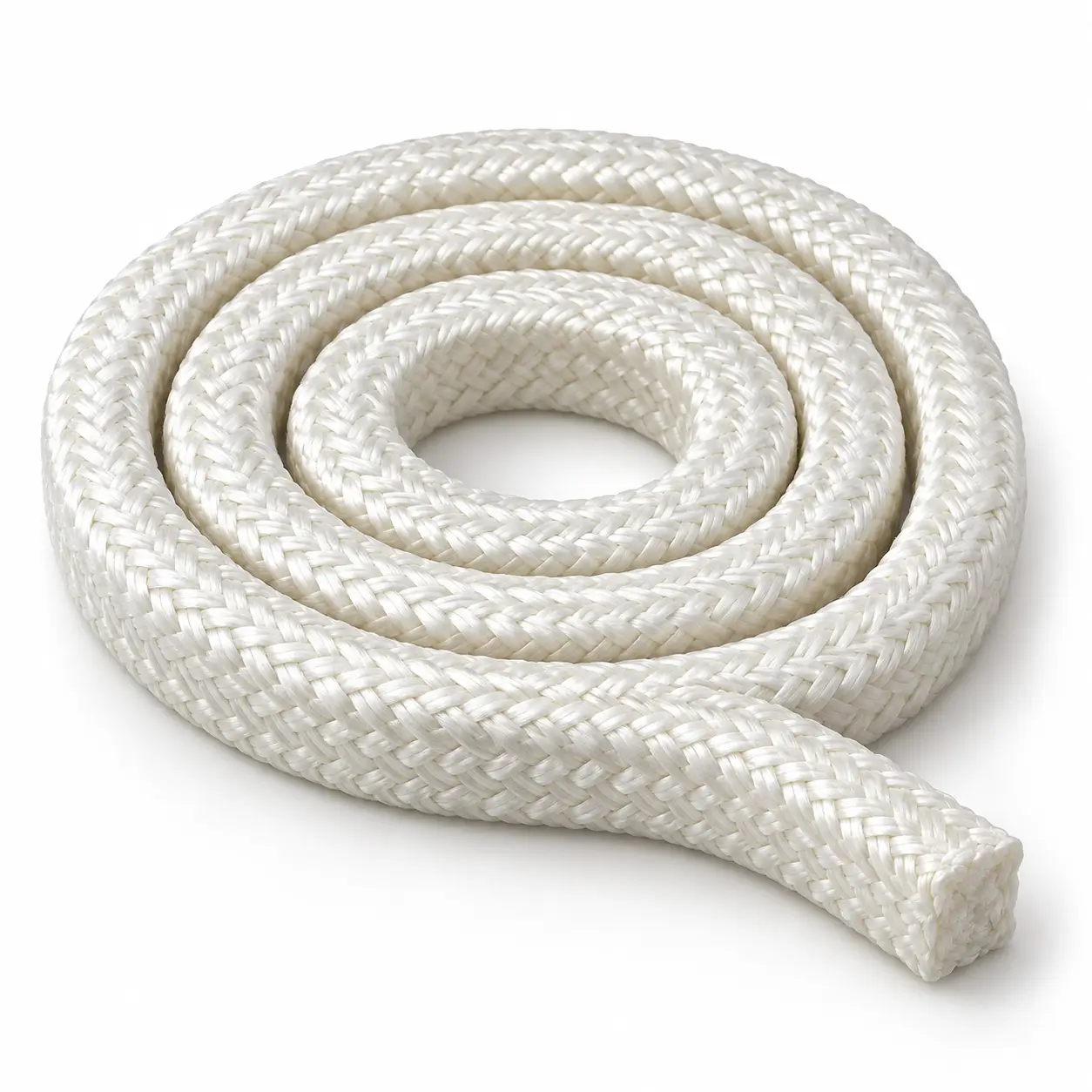
Pain point scenario: The maintenance team knows the packing must go in, but the crew has no shared checklist. One technician cuts rings square, another oversizes them, and the gland is tightened by feel. This is where installation quality becomes inconsistent and purchasing gets dragged into repeat orders.
Solution: Use a ring-by-ring method. A repeatable procedure is the fastest answer to How Do You Install Glass Fiber Packing? in a pump or valve gland. Kaxite glass fiber packing is supplied in consistent cross-sections, so each ring can be measured, cut, and fitted without guesswork.
| Step | Action | Acceptance check |
|---|---|---|
| 1 | Lock out and drain | Zero pressure confirmed |
| 2 | Clean and inspect | No old rings, no sharp sleeve damage |
| 3 | Measure size | Cross-section matches gland and shaft |
| 4 | Cut rings diagonally | Clean joint, no fraying |
| 5 | Fit one ring at a time | Ring seated without force |
| 6 | Stagger joints | 90° offset between rings |
| 7 | Tighten evenly | Gland square, not cocked |
| 8 | Run in and adjust | Leakage and temperature controlled |
Pain point scenario: A millwright cuts packing with a worn hacksaw and forces it into the gland. The joint opens, the ring buckles, and leakage starts within minutes. The buyer sees a “failed batch” but the real issue is cut quality and size control.
Solution: Measure twice, cut once. Use a sharp blade, a mandrel matching shaft diameter, and a diagonal cut. Confirm packing size from gland bore minus shaft diameter divided by two; never stretch or hammer the packing. Stagger joints 90° and do not reuse old rings. For urgent jobs, ask Kaxite for cut-to-size or preformed rings to reduce field error.
| Measurement | Formula or method | Tolerance or check |
|---|---|---|
| Packing cross-section | (Gland bore − shaft diameter) ÷ 2 | Match datasheet; no force fit |
| Ring length | π × (shaft diameter + packing cross-section) | Use mandrel; cut diagonally |
| Joint gap | Butt cleanly with minimal gap | No fraying or overlap |
| Joint stagger | 90° between successive rings | Mark a reference line |
| Gland clearance | Even gap around circumference | No cocking or binding |
Pain point scenario: A common field habit is to tighten the gland hard to stop every drip. The packing then runs hot, the shaft sleeve scores, and leakage returns worse after cool-down.
Solution: Adjust in stages. Start with a light, even gland load; run the pump or valve through a controlled warm-up; then tighten gradually while watching leakage and temperature. Glass fiber packing needs a run-in period. Record the final gland position so the next maintenance shift can repeat it. Kaxite can advise on initial settings for its glass fiber packing based on media, pressure, and shaft speed.
| Phase | Time | Gland adjustment | Leakage target |
|---|---|---|---|
| Initial startup | 5–10 min | Finger tight plus even light compression | Slight drip helps cooling |
| Run-in | 30–60 min | Quarter-turn increments, alternate bolts | Reduce gradually; avoid dry running |
| Stable operation | 1–2 h | Minimal further adjustment | Follow OEM; no overheating |
| Shutdown check | After cool-down | Recheck bolts and leakage | Record settings for next shift |
Pain point scenario: After startup, leakage, heat, or noise can trigger a panic purchase. Buyers need a quick way to separate wrong product from wrong installation.
Solution: Use symptom-based diagnosis before replacing packing. Check gland alignment, flush line, shaft runout, packing size, and joint stagger. If the packing is charred or crushed, review temperature and gland load. If the sleeve is scored, correct the sleeve before fitting new rings. Ningbo Kaxite Sealing Materials Co., Ltd. supports root-cause review with product data and application questions, helping buyers avoid repeat failures.
| Symptom | Likely cause | Corrective action |
|---|---|---|
| Continuous heavy leak | Gland too loose, wrong size, damaged sleeve | Recheck size, adjust evenly, repair sleeve |
| Overheating | Gland too tight, no run-in, insufficient flush | Loosen slightly, check flush, review speed |
| Smoke or charring | Temperature exceeds packing limit | Verify media temperature; select suitable grade |
| Shaft wear | Abrasive media, misalignment, dry running | Check alignment, flush, and packing choice |
| Short service life | Wrong pH or chemical attack | Confirm compatibility with Kaxite |
Pain point scenario: Procurement often receives only a size and quantity. Without media, temperature, pressure, and shaft speed, the buyer may order a packing that fits but does not perform.
Solution: Turn the RFQ into an application brief. Confirm dimensions, duty, documentation, and packing format. Ask for cut-to-size rings, spool length, or preformed sets. Kaxite’s team can review the data and recommend a practical glass fiber packing configuration for pumps, valves, mixers, and static sealing.
| RFQ item | Why it matters | Example |
|---|---|---|
| Shaft diameter and gland bore | Determines packing cross-section | 50 mm shaft, 66 mm bore |
| Media and concentration | Chemical compatibility | Hot water with mild alkali |
| Temperature and pressure | Grade selection | 180°C continuous, 8 bar |
| Shaft speed | Heat generation | 1,450 RPM |
| Packing format | Installation efficiency | 5 rings per set, diagonal cut |
| Quantity and lead time | Stock planning | 20 sets monthly |
| Documentation | Quality traceability | COA, dimensions report |
Pain point scenario: Buyers often get last-minute questions from maintenance after the PO is placed. Clear answers prevent site delays.
Solution: Use these practical answers as a starting point, then confirm with the equipment OEM and Kaxite for the exact application.
Q1: Can glass fiber packing be cut and installed on site?
Yes, if the crew uses a sharp blade, a mandrel, and a clean measuring method. Cut each ring diagonally, fit one ring at a time, and stagger joints 90°. For critical equipment or small cross-sections, preformed rings reduce risk.
Q2: How tight should the gland be at startup?
Start with even, light compression, not maximum force. Allow a slight drip during run-in where the application permits, then adjust gradually. Over-tightening can cause heat, sleeve wear, and early failure. Follow OEM limits and Kaxite’s product guidance.
| Question | Short answer | Procurement note |
|---|---|---|
| Can it be cut on site? | Yes, with correct tools and diagonal cuts | Order cut-to-size rings for critical jobs |
| How tight at startup? | Light and even, then adjust in stages | Confirm OEM limits before installation |
Have a pump, valve, or mixer application that needs a fast installation check? Send the shaft diameter, gland bore, media, temperature, pressure, and shaft speed to our team, and we will help you confirm the packing format before the next maintenance window.
Ningbo Kaxite Sealing Materials Co., Ltd. is a sealing materials supplier focused on practical, procurement-friendly solutions for pumps, valves, mixers, and other rotating equipment. From its base in Ningbo, China, the company supports buyers with glass fiber packing, mineral fiber packing, and related sealing products, plus size confirmation, application review, and responsive export service. If your team needs a reliable source for glass fiber packing or help solving leakage, sizing, or installation questions, contact [email protected] or visit https://www.mineral-fiber-packing.com. Kaxite’s goal is to make specification, ordering, and field installation easier for maintenance and purchasing teams.
Research References
Krenkel, W., and Berndt, F. (2005). C/C-SiC composites for space applications and advanced friction systems. Materials Science and Engineering: A, 412(1–2), 177–181.
Friedrich, K., Zhang, Z., and Schlarb, A. K. (2005). Effects of various fillers on the sliding wear of polymer composites. Composites Science and Technology, 65(15–16), 2329–2343.
Suresha, B., Chandramohan, G., and Sampathkumaran, P. (2010). Mechanical and tribological properties of glass–epoxy composites with and without graphite particulate filler. Journal of Applied Polymer Science, 116(4), 2262–2270.
Bijwe, J., and Indumathi, J. (2002). Influence of fiber reinforcement on abrasive wear resistance of polyetherimide composites. Wear, 252(7–8), 617–627.
Peng, C., Zhu, H., and Wang, J. (2017). Leakage and friction performance of braided packing seals under high-temperature conditions. Tribology International, 114, 1–9.
Flitney, R. K. (2003). Advances in sealing technology for rotating equipment. Sealing Technology, 2003(9), 6–10.
Nau, B. S. (1999). Rotary shaft seals: selection and installation practice. Sealing Technology, 1999(72), 5–8.
Hirai, T., and Kondo, K. (1995). Sealing performance of braided packings. Journal of Tribology, 117(4), 677–682.
Zhang, Y., and Li, X. (2019). Tribological behavior of glass fiber reinforced polymer composites for sealing applications. Polymer Composites, 40(5), 1856–1865.
Wang, Q., and Chen, Y. (2020). Influence of installation compression on packing seal leakage and temperature. Tribology Transactions, 63(3), 489–498.