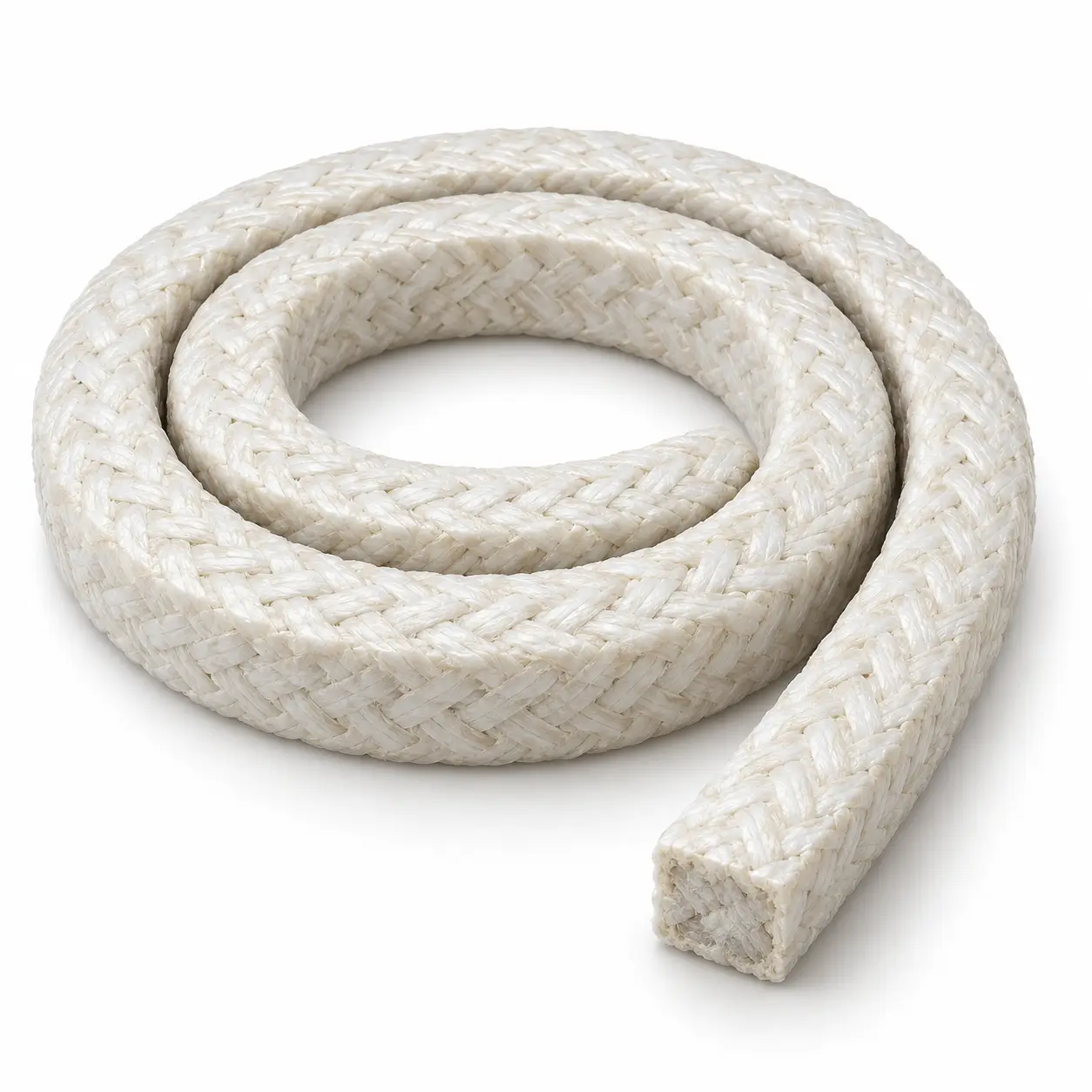
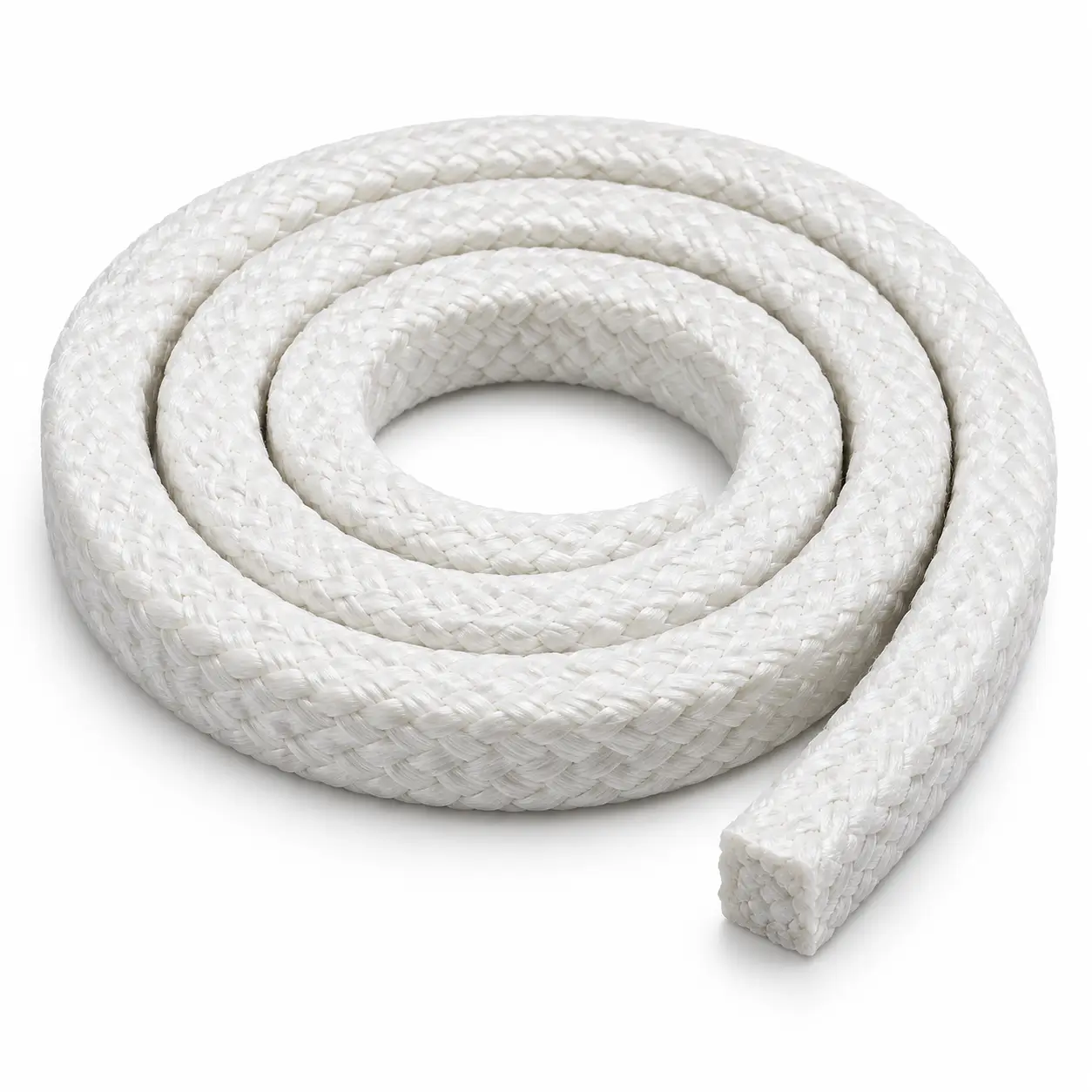
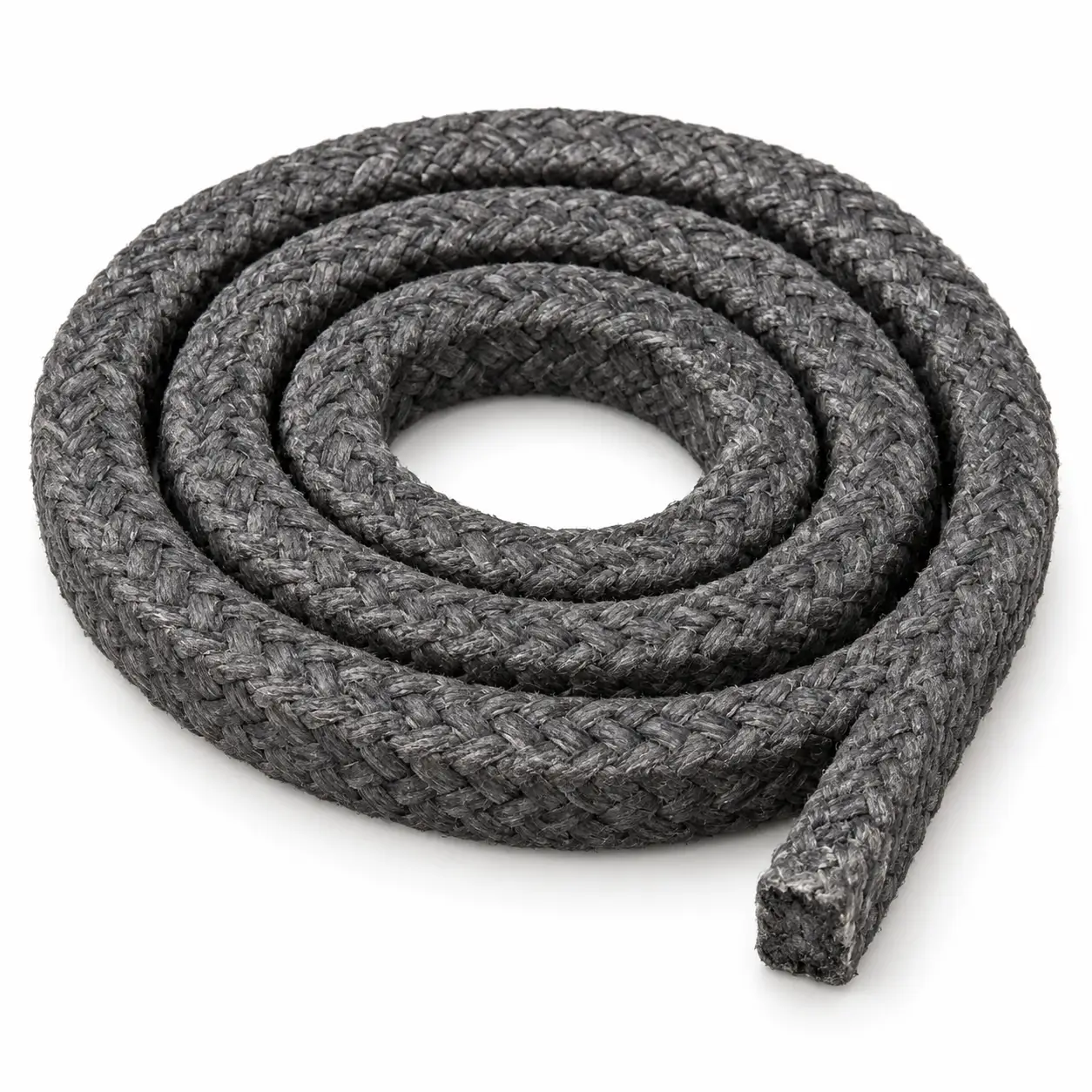
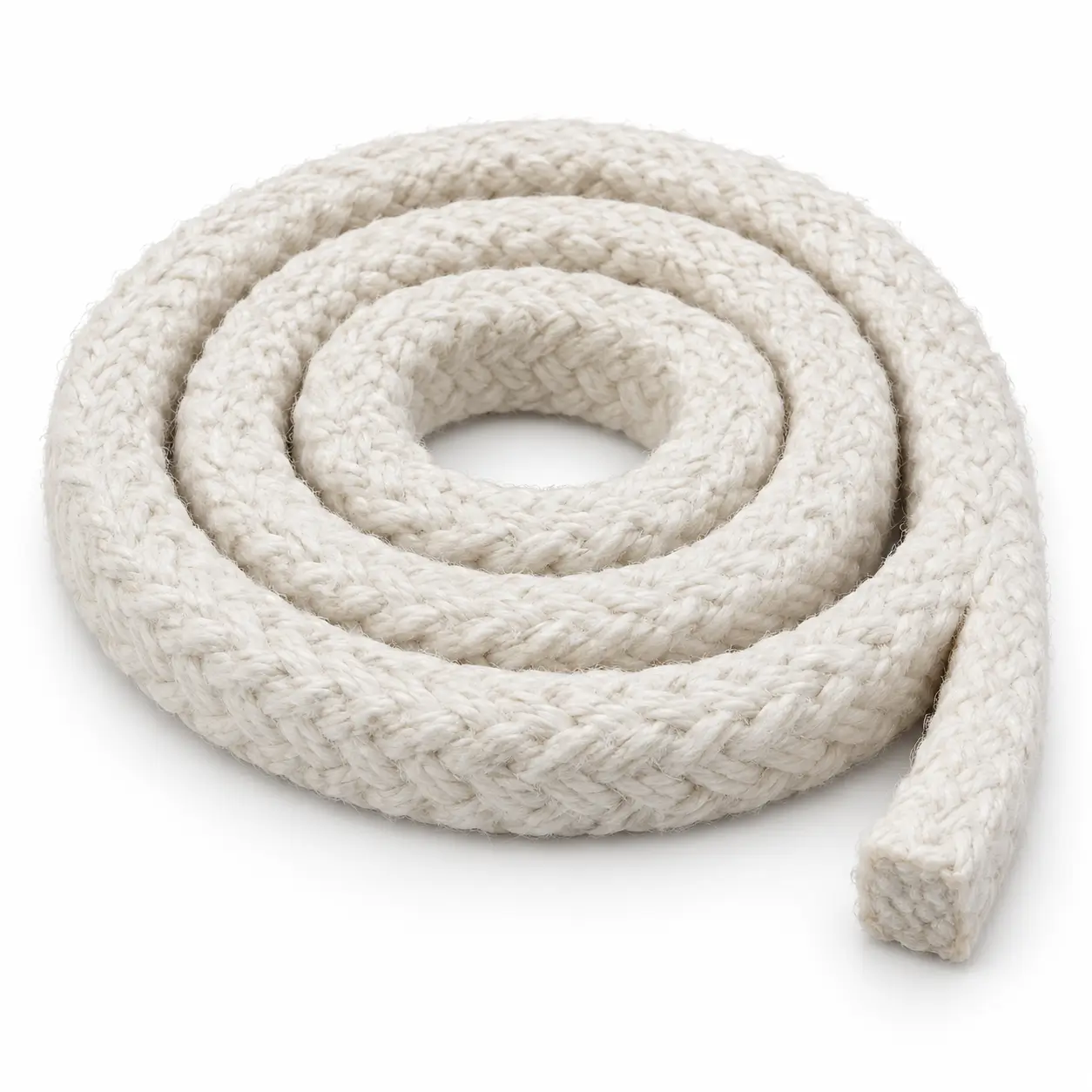
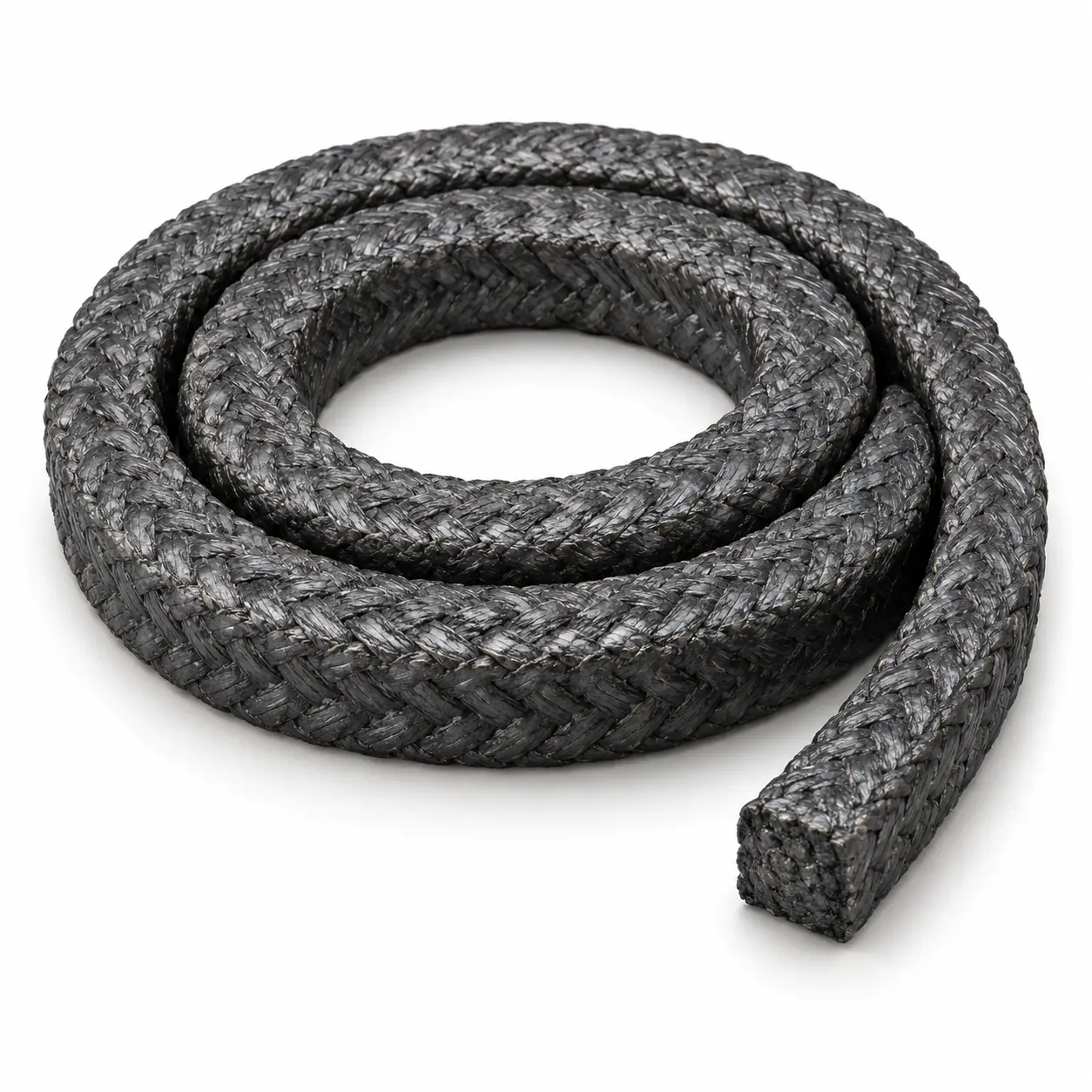
At 2:00 a.m., a maintenance manager at a chemical plant notices a slow drip from a hot-oil pump gland. The leak is small, but the cost is not: production loss, emissions, shaft wear, and another emergency purchase. That is exactly the scenario where buyers ask, What are Mineral Fiber Packings used for in industrial sealing applications? Mineral fiber packings are compression packings made from asbestos-free mineral fibers—often glass fiber, rock wool, ceramic fiber, or mineral wool blends—with lubricants and impregnants such as graphite, PTFE, silicone, or specialty oils. They seal rotating and reciprocating equipment: pump glands, valve stems, agitators, mixers, expansion joints, and static or low-motion joints where heat, pressure, chemical attack, and vibration combine. They are not a universal “drop-in” item. A good packing must match media, pH, temperature, pressure, shaft speed, and equipment condition. For procurement teams, the real question is not only “What are mineral fiber packings used for in industrial sealing applications?” but “Which grade will stop the leak without damaging the shaft or creating a compliance problem?” Ningbo Kaxite Sealing Materials Co., Ltd. supports that decision with application review, grade selection, dimension checks, and practical installation guidance, so buyers can move from a midnight leak call to a repeatable sealing solution.
Quick navigation
The short answer is control: mineral fiber packings control leakage at the gland, stem, or joint while tolerating heat, pressure, and mechanical movement. In a plant, the buying decision usually starts with a leak, a scheduled shutdown, or a MRO contract renewal. A pulp mill may need a packing that survives hot black liquor around a pump shaft. A refinery may need a valve stem packing that holds under thermal cycling. A food-processing plant may reject graphite contamination and ask for a clean silicone-impregnated grade. A power station may need a packing that does not harden after repeated heat cycles. Mineral fiber packings are used because the fiber structure provides dimensional stability and compression recovery, while the lubricant and impregnant reduce friction, fill voids, and improve chemical resistance. The word “mineral” does not mean one universal product. Glass fiber, rock wool, ceramic fiber, and mineral wool blends behave differently, and the braiding style, cross-section, and impregnant matter as much as the fiber itself.
| Application | Typical equipment | Operating challenge | Why mineral fiber packing fits |
|---|---|---|---|
| Pump gland sealing | Centrifugal pumps, slurry pumps, hot-oil pumps | Heat, pressure, shaft runout, abrasive media | Compression recovery, thermal stability, and friction control when the grade is matched to the media |
| Valve stem sealing | Gate valves, globe valves, control valves | Thermal cycling, chemical attack, low motion | Good compression set resistance and reliable sealing after temperature swings |
| Agitator and mixer sealing | Reactor vessels, mixing tanks, blenders | Vibration, side load, batch changes | Braided structure absorbs movement and can be re-torqued during maintenance |
| Expansion joints and static joints | Ducting, doors, flanges, low-motion joints | Gaps, heat, vibration, uneven surfaces | Flexible packing forms a compressible seal in irregular gland spaces |
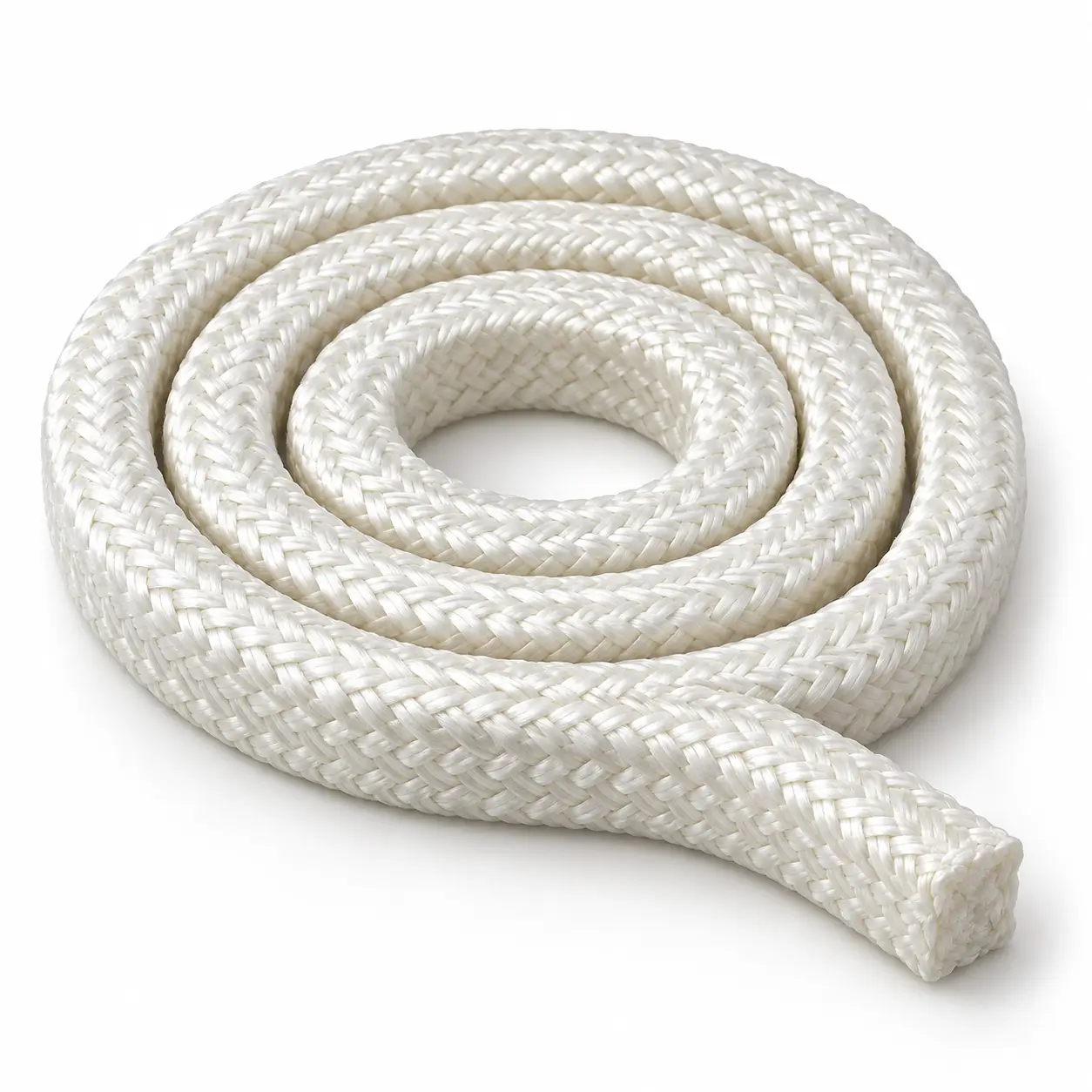
A leak is rarely just a leak. In a pump gland, a small drip can become shaft scoring, product loss, safety exposure, and a rushed purchase from whichever supplier answers first. The buyer’s pain is not only price per meter; it is the total cost of a wrong grade: repeated gland tightening, premature failure, equipment damage, and unplanned downtime. The solution is to treat mineral fiber packing as an engineered sealing component, not a commodity. Start with the operating envelope, then verify the packing construction and installation method. For example, a high-temperature valve stem application may need a ceramic-fiber or mineral-wool blend with graphite, while a chemical pump may need a PTFE-impregnated grade and a shaft that is hard enough for the selected packing. Ningbo Kaxite Sealing Materials Co., Ltd. helps buyers connect the failure symptom to the correct grade, so procurement can order with confidence instead of chasing the same leak every quarter.
| Pain point | Operational impact | Practical solution | Parameter to confirm |
|---|---|---|---|
| Gland keeps dripping after re-torque | Product loss, cleanup cost, safety risk | Check packing cross-section, gland clearance, and shaft runout before changing grade | Packing size, gland depth, shaft eccentricity |
| Packing hardens and cracks | Frequent replacement, valve seizure risk | Use a heat-stable mineral fiber grade with suitable lubricant | Continuous temperature and cycling profile |
| Shaft sleeve wears too fast | Higher maintenance cost and downtime | Reduce friction with the right impregnant and verify shaft hardness | Shaft hardness, speed, lubrication |
| Chemical attack swells or softens packing | Leak path opens, emissions rise | Match fiber and impregnant to pH and chemical concentration | Media, concentration, pH range |
Mineral fiber packings are built from a fiber core, a braided or twisted structure, and a lubricant or impregnant. The fiber gives strength and heat resistance; the impregnant controls friction, leakage, and chemical compatibility. A common buying mistake is to compare only temperature ratings. Two packings may both claim 500°C, but one may be suitable for a static valve stem and the other for a rotating pump shaft. For rotating equipment, friction heat and shaft speed are critical. For valves, compression set and chemical resistance may matter more. For procurement teams, the cleanest approach is to share the full application data with the supplier and ask for a written grade recommendation. Ningbo Kaxite Sealing Materials Co., Ltd. can review the media, temperature, pressure, speed, and equipment condition, then recommend a mineral fiber packing grade that fits the actual gland rather than a catalog headline.
| Grade type | Fiber blend | Typical impregnant | Temperature guide | Pressure guide | Shaft speed guide | Best-fit media |
|---|---|---|---|---|---|---|
| General industrial grade | Mineral wool blend | Oil or graphite | Up to about 250–350°C | Medium pressure | Moderate speed | Water, steam, mild chemicals |
| High-temperature grade | Ceramic fiber or rock wool | Graphite | Up to about 500°C or higher | Medium to high pressure | Low to moderate speed | Hot air, flue gas, thermal oils |
| Chemical-resistant grade | Glass fiber or mineral fiber | PTFE dispersion | Moderate temperature | Medium pressure | Moderate speed | Acids, alkalis, solvents, brine |
| Clean-service grade | Mineral fiber | Silicone or white lubricant | Moderate temperature | Medium pressure | Moderate speed | Food, pharma, clean water |
For a purchasing officer, a mineral fiber packing inquiry becomes much easier when the RFQ contains the full operating picture. “Packing for pump” is not enough. The supplier needs the pump type, shaft diameter, stuffing box dimensions, media, concentration, pH, temperature, pressure, shaft speed, shaft material and hardness, runout, and whether the service is continuous or intermittent. This is where a good supplier solves problems rather than just quoting a price. If the shaft is worn, a harder packing may accelerate damage. If the gland is over-torqued, even the best packing may fail early. If the media contains abrasives, the packing style and flush plan may need review. Use the table below as a pre-order checklist. It also helps compare offers: a low price per kilogram is meaningless if the grade fails in two weeks.
| Selection parameter | Why it matters | Question to ask before ordering | Evidence to request |
|---|---|---|---|
| Media and concentration | Determines fiber and impregnant compatibility | What chemical, gas, steam, oil, or slurry contacts the packing? | Chemical compatibility statement |
| Temperature | Controls fiber stability and lubricant life | What is the continuous and peak temperature? | Temperature rating with test basis |
| Pressure | Affects compression and extrusion risk | Is pressure steady, cyclic, or pulsating? | Pressure guide and recommended gland arrangement |
| Shaft speed and hardness | Controls friction heat and shaft wear | What is the surface speed and shaft hardness? | Speed limit and friction guidance |
| Packing size and gland space | Wrong size causes leakage or installation damage | What is the exact square cross-section and gland depth? | Dimensional drawing or size confirmation |
| pH range | Prevents swelling, softening, or fiber attack | What is the minimum and maximum pH? | Chemical resistance data |
Many “packing failures” are installation failures. A packing that is cut too short, installed with the wrong number of rings, or tightened too hard at start-up can leak or overheat. The goal is a controlled break-in: clean the stuffing box, inspect the shaft, cut rings cleanly, stagger the joints, seat each ring properly, and tighten the gland gradually while watching for a stable drip or temperature rise. For valves, follow the stem and bonnet manufacturer’s torque guidance. For pumps, do not instantly crush the packing; allow it to settle. During maintenance, record the failure mode: hardened, crushed, extruded, glazed, chemically swollen, or shaft scored. That record becomes the best guide for the next purchase. Ningbo Kaxite Sealing Materials Co., Ltd. supports buyers with practical installation notes and grade feedback so the next order is based on evidence, not guesswork.
| Installation step | Check point | Acceptance signal | Common mistake |
|---|---|---|---|
| Clean the stuffing box | Remove old packing, scale, and debris | Clean gland and clear lantern ring passages | Installing new packing over old residue |
| Inspect shaft or stem | Look for scoring, runout, and corrosion | Smooth surface within tolerance | Blaming packing for a damaged shaft |
| Cut and seat rings | Use correct cross-section and staggered joints | Rings seat without forcing | Cutting rings too short or long |
| Break in gradually | Monitor leakage and temperature | Stable operation after controlled tightening | Over-tightening at first start-up |
A good RFQ protects the buyer. It reduces back-and-forth, prevents wrong-size shipments, and creates a record of the intended application. For mineral fiber packings, include the equipment tag number, drawing or photo of the gland, packing size, quantity, media, temperature, pressure, speed, pH, and any certification or restriction such as “graphite-free” or “silicone-impregnated.” Ask for the grade recommendation in writing. Ask whether the packing is supplied in rope form, precut rings, or a complete set. Confirm packaging, lead time, and traceability. Ningbo Kaxite Sealing Materials Co., Ltd. works with maintenance and procurement teams to turn incomplete requests into clear specifications, which is especially useful when a plant is replacing an old asbestos-containing packing or standardizing MRO stock across several sites.
| RFQ item | What to provide | Why the supplier needs it | Kaxite support |
|---|---|---|---|
| Equipment data | Pump, valve, agitator type and tag number | Identifies motion and failure mode | Application review |
| Dimensions | Packing cross-section, gland depth, shaft diameter | Prevents wrong size and installation problems | Size confirmation |
| Operating conditions | Media, pH, temperature, pressure, speed | Drives fiber and impregnant selection | Grade recommendation |
| Restrictions | Graphite-free, clean-service, certification needs | Avoids compliance and contamination issues | Material options |
| Order format | Rope, precut rings, complete set, spool length | Reduces waste and installation time | Supply format review |
Q: What are mineral fiber packings used for in industrial sealing applications?
A: They are used to seal pump glands, valve stems, agitators, mixers, expansion joints, and similar equipment where heat, pressure, chemical exposure, and mechanical movement are present. The packing is compressed in the gland and forms a seal against the shaft or stem. The right grade depends on media, temperature, pressure, speed, and shaft condition. A general mineral wool grade may suit steam or water service, while a graphite-impregnated ceramic fiber grade may suit high-temperature valves. Ningbo Kaxite Sealing Materials Co., Ltd. helps match the grade to the actual operating conditions rather than the product name alone.
Q: Can mineral fiber packings replace asbestos packings?
A: In many industrial sealing applications, yes, but the replacement must be engineered. Asbestos packings had specific heat and chemical behavior, and simply choosing any asbestos-free packing can lead to early failure. Check temperature, pressure, shaft speed, pH, and shaft hardness. Then select a mineral fiber grade with the correct impregnant and installation guidance. A written recommendation from the supplier reduces risk, especially for hot-oil pumps, steam valves, and chemical service.
Q: What should buyers verify before ordering mineral fiber packings for industrial sealing applications?
A: Confirm the exact packing size, quantity, media, concentration, pH, continuous and peak temperature, pressure, shaft speed, shaft material and hardness, and gland condition. Ask for the grade recommendation, temperature and pressure basis, and supply format. If the plant has a contamination restriction, state it clearly: graphite-free, silicone-impregnated, clean-service, or other requirements. Ningbo Kaxite Sealing Materials Co., Ltd. can review these details and help prepare a clear order specification for maintenance and procurement.
Q: Are mineral fiber packings suitable for high-temperature pump glands and valve stems?
A: They can be, provided the grade is selected for the temperature profile and the equipment is in reasonable condition. High-temperature service often requires ceramic fiber or rock wool with a graphite or specialty lubricant. Rotating pump glands also need attention to shaft speed, cooling, flush, and runout. A packing rated for high temperature may still fail if the gland is over-tightened or the shaft is scored. Use a controlled break-in procedure and monitor temperature and leakage after installation.
If a leak, a shutdown, or a standardization project is putting pressure on your maintenance budget, send the operating conditions, equipment details, and packing dimensions to Ningbo Kaxite Sealing Materials Co., Ltd. The team can review the application, recommend a suitable mineral fiber packing grade, confirm the supply format, and support installation checks so your plant gets a sealing solution that fits the gland, not just a price per kilogram.
Ningbo Kaxite Sealing Materials Co., Ltd. is a sealing materials supplier focused on practical industrial sealing solutions, including mineral fiber packings for pump glands, valve stems, agitators, and related equipment. Through https://www.mineral-fiber-packing.com, buyers can review product options and share application details for grade selection. For technical questions, RFQ support, or replacement planning, contact [email protected]. Kaxite helps procurement and maintenance teams reduce guesswork, avoid wrong-size orders, and choose mineral fiber packings that match real operating conditions.
Persson, B. N. J. (2001). Theory of rubber friction and contact mechanics. Journal of Chemical Physics, 115(8).
Briscoe, B. J., & Sinha, S. K. (2002). Wear of polymers. Proceedings of the Institution of Mechanical Engineers, Part J: Journal of Engineering Tribology, 216(6).
Friedrich, K. (2018). Polymer composites for tribological applications. Advanced Industrial and Engineering Polymer Research, 1(1).
Lancaster, J. K. (1978). The effect of carbon fibre reinforcement on the friction and wear of polymers. Journal of Physics D: Applied Physics, 11(4).
Suresha, B., Chandramohan, G., & Sampathkumaran, P. (2010). Mechanical and tribological properties of glass–epoxy composites. Journal of Reinforced Plastics and Composites, 29(15).
Ganesan, P., & Sundararajan, G. (2005). The effect of mineral fillers on the wear of polymer composites. Wear, 259(1–6).
Bhowmick, A. K., & De, S. K. (1980). Effect of fillers on the friction and wear of rubber. Rubber Chemistry and Technology, 53(5).
Kim, S. J., & Jang, H. (2000). Friction and wear of graphite fiber reinforced composites. Wear, 239(1).
Zhang, S. W., & Wang, F. Y. (2004). Mechanical and tribological properties of mineral fiber reinforced composites. Journal of Materials Science, 39(16).
Flitney, R. K. (2007). Sealing technology for rotating equipment. Sealing Technology, 2007(3).
-