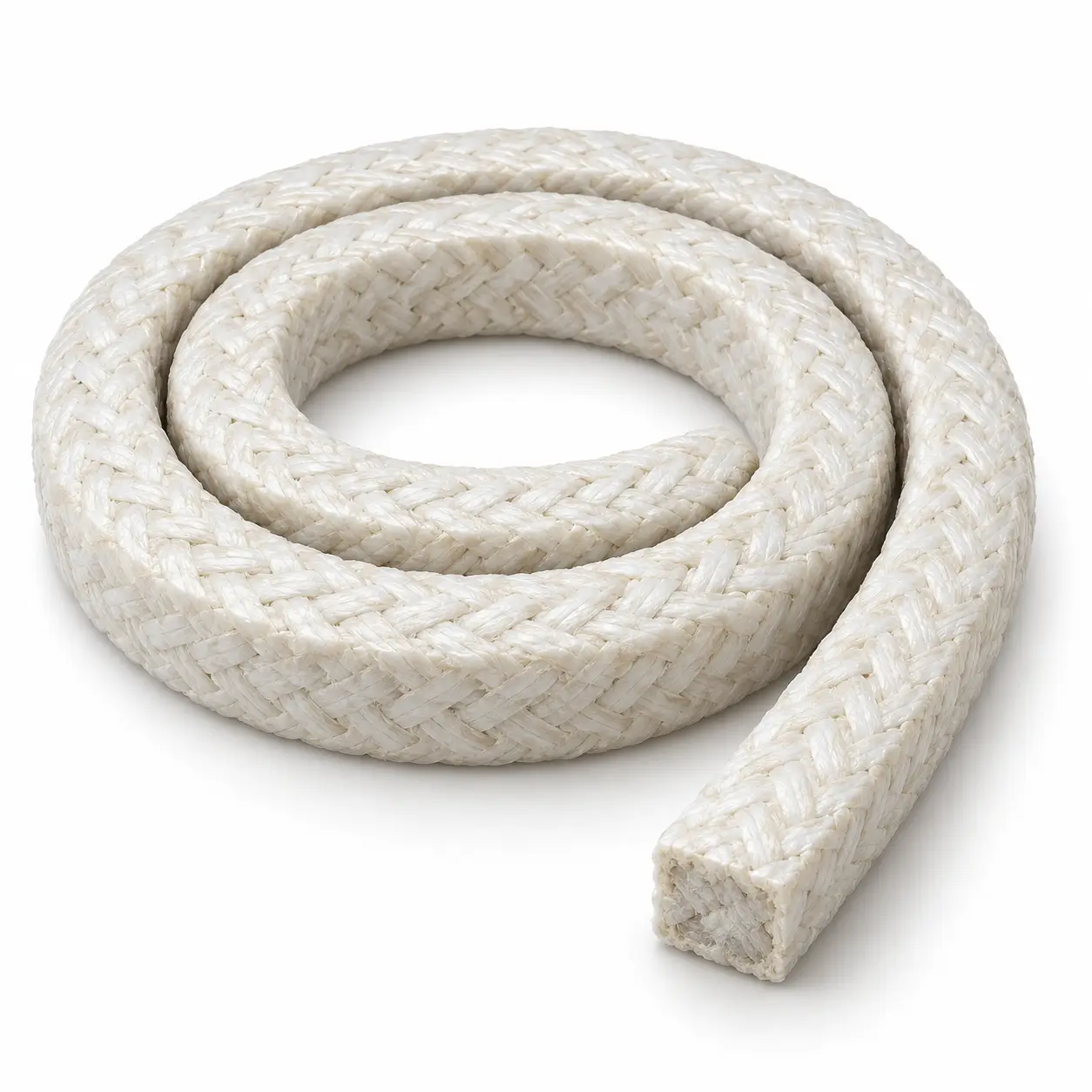
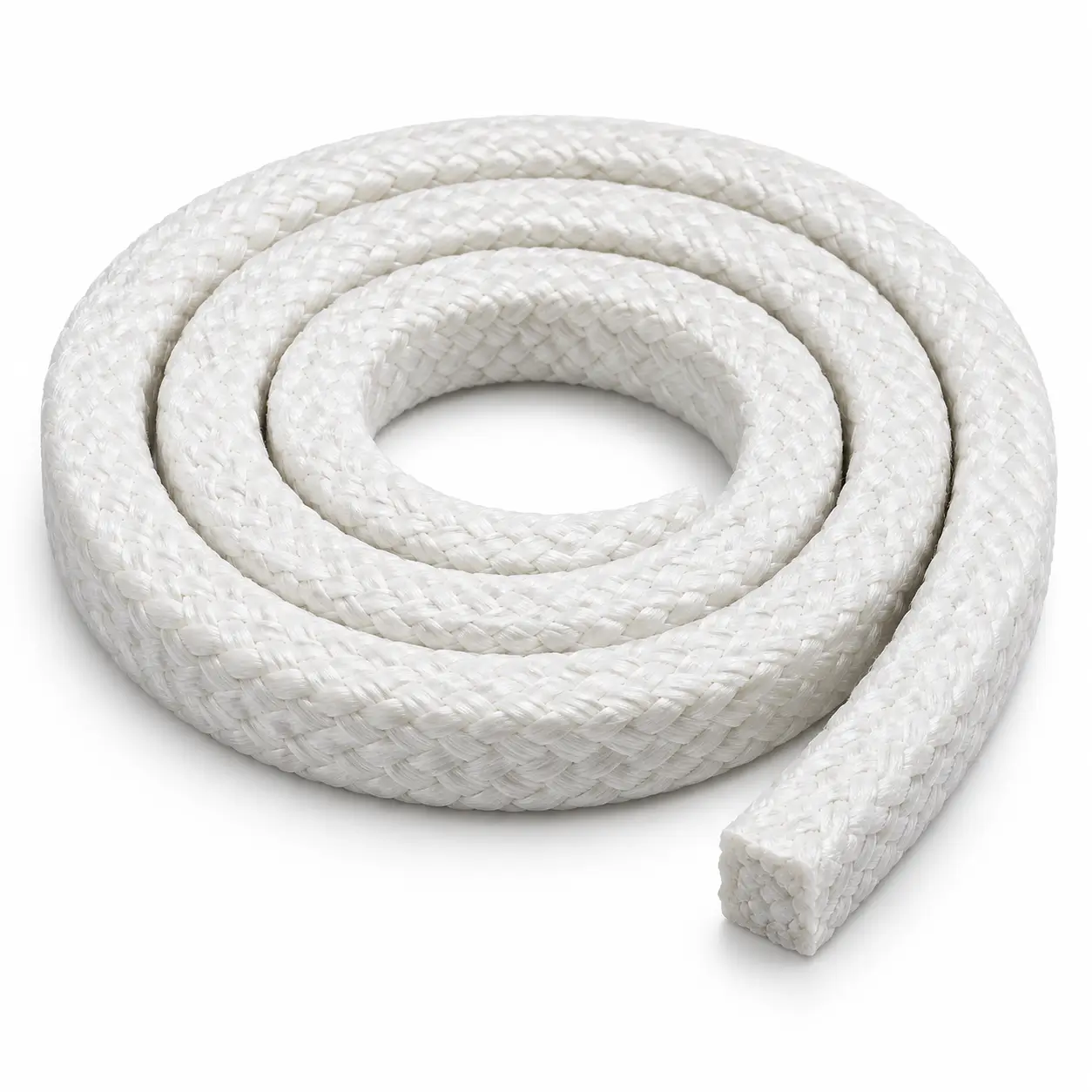
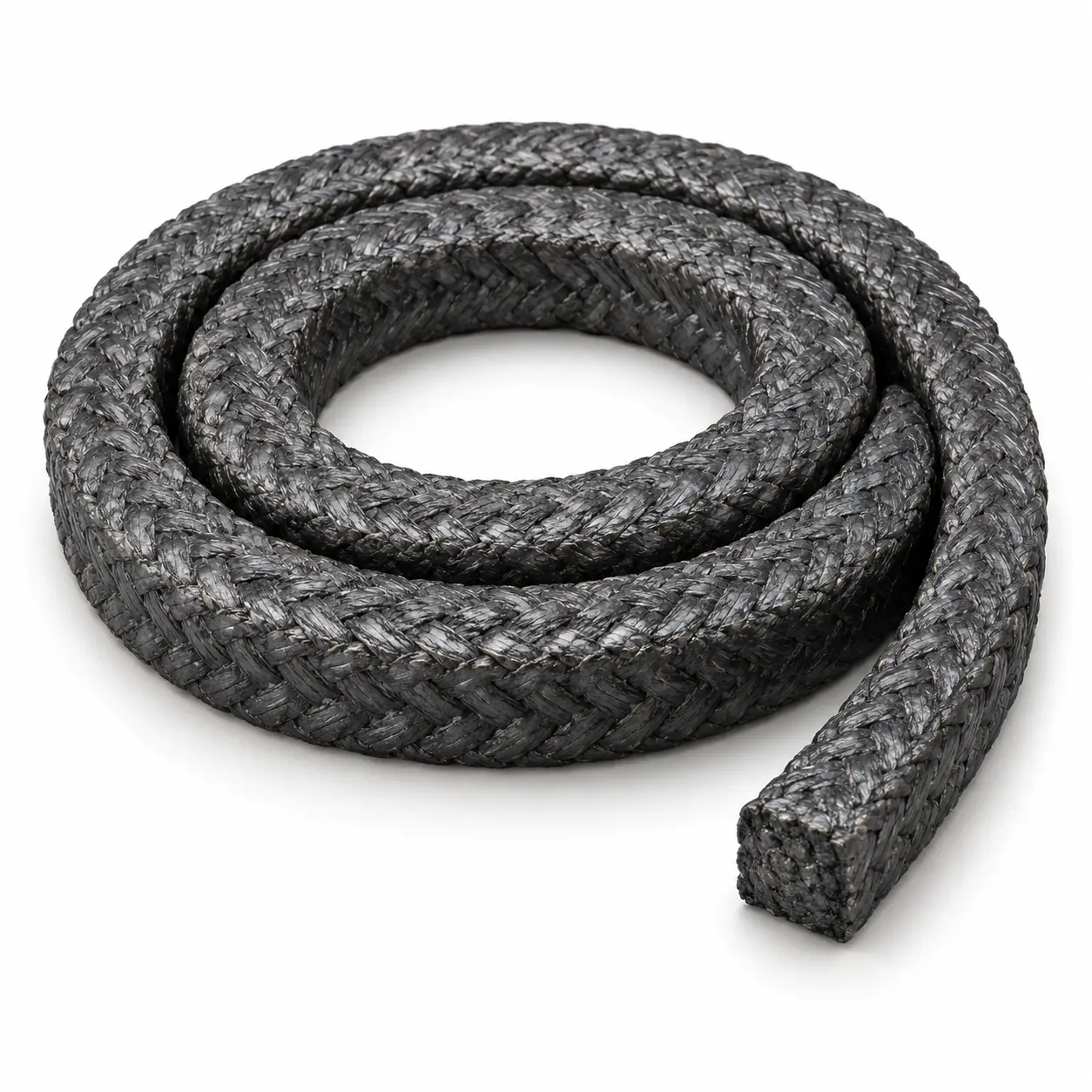
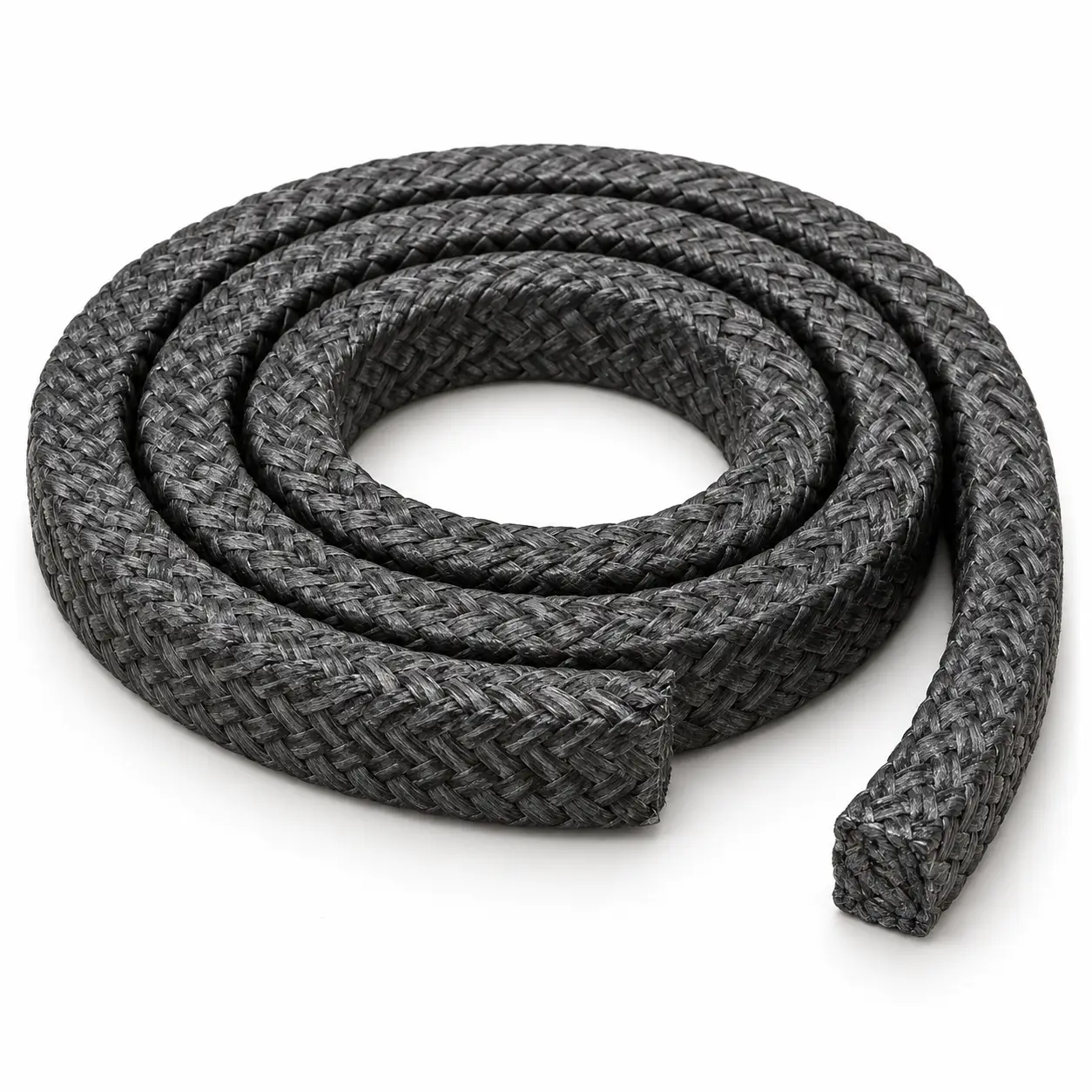
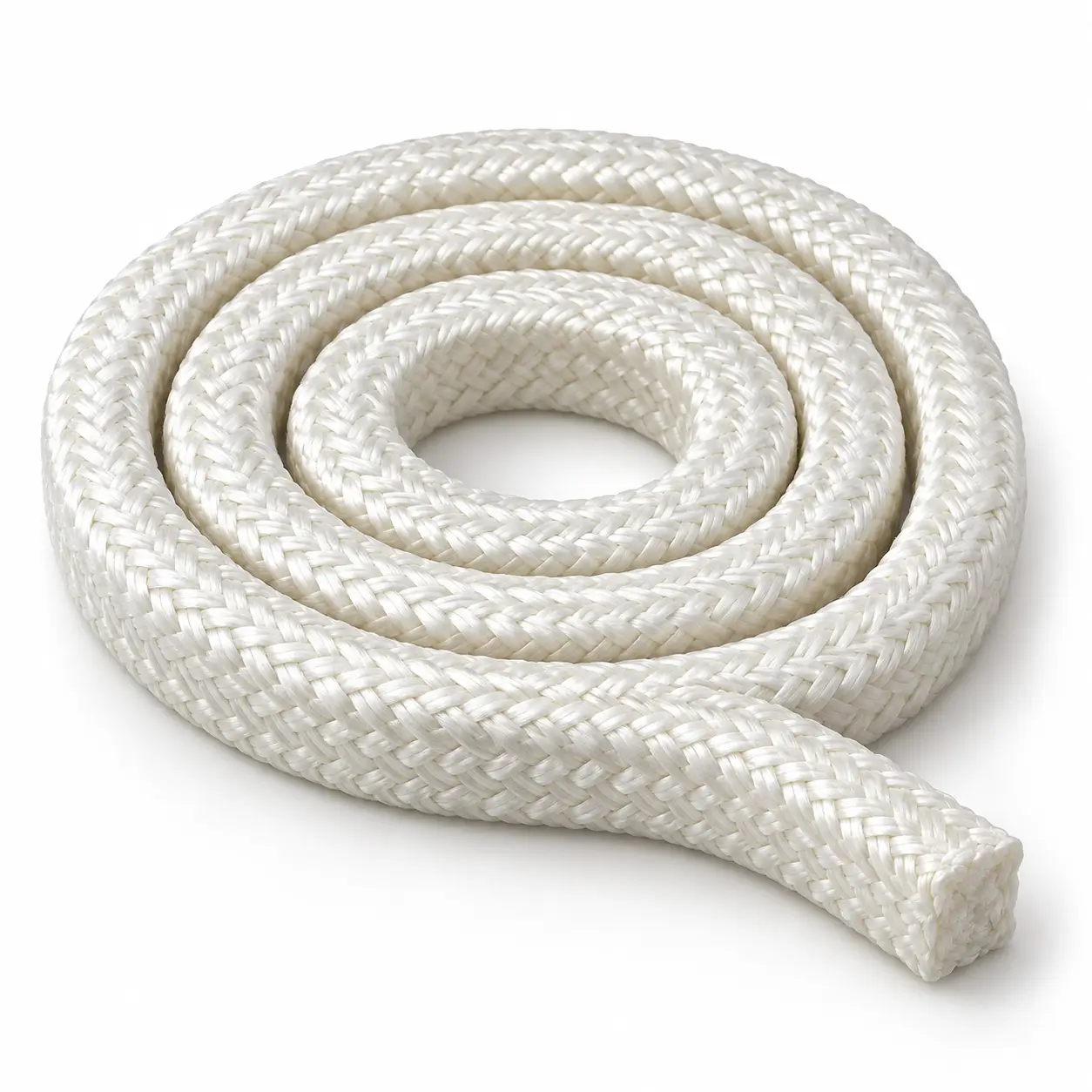
When a furnace door seal starts smoking during a weekend production run, the maintenance team rarely has time for a long material debate. The buyer needs a packing that holds temperature, resists chemical attack, and installs without rework. That is why procurement teams keep asking: What Are the Best Applications for Ceramic Fiber Packing? In simple terms, Ceramic Fiber Packing is a braided rope made from alumina-silicate fibers. It is chosen for static and low-speed sealing points where steam, hot air, flue gas, or mild chemicals meet high heat. Typical uses include furnace door seals, kiln car joints, expansion joints, boiler manhole gaskets, high-temperature valve stem packing, and low-speed rotary seals. It is not a universal replacement for every elastomer or PTFE packing. The right application depends on temperature, pressure, media, shaft speed, and gland condition. Buyers who match those variables early avoid repeat orders, emergency downtime, and unnecessary gland wear. This guide turns the technical points into practical buying checks, with parameter tables, procurement questions, and supplier controls that help plant teams specify the right ceramic fiber packing and keep maintenance work predictable.
Jump to
Pain point scenario: A plant replaces a door seal or expansion joint packing every few weeks because the material hardens, crumbles, or leaks hot gas into the work area. Maintenance crews tighten the gland again, but the leak returns, and the buyer faces pressure to find a lower-cost alternative that creates even more rework.
Solution: Use ceramic fiber packing where the duty is high heat, low to medium pressure, and static or low-speed movement. Confirm the continuous and peak temperature, check the media, and choose a braid density that matches the gland. A clean installation with correct clearance and a planned re-torque step often matters as much as the fiber grade.
| Application | Typical Temperature | Common Media | Packing Form | Buyer Check |
|---|---|---|---|---|
| Furnace door seal | 400–1000 °C | Hot air, flue gas | Square braid rope | Door clearance and compression |
| Kiln car joint | 600–1100 °C | Flue gas, dust | Round braid | Expansion allowance |
| Boiler manhole gasket | 300–800 °C | Steam, hot gas | Braided rope with graphite | Bolt load and seating |
| High-temperature valve stem | 300–800 °C | Steam, thermal oil | Impregnated braid | Stem finish and gland clearance |
| Expansion joint | 500–1000 °C | Hot gas, air | Dense braid | Movement and anchoring |
| Low-speed rotary seal | 200–600 °C | Hot air, dust | Braided packing rings | Shaft speed and cooling |
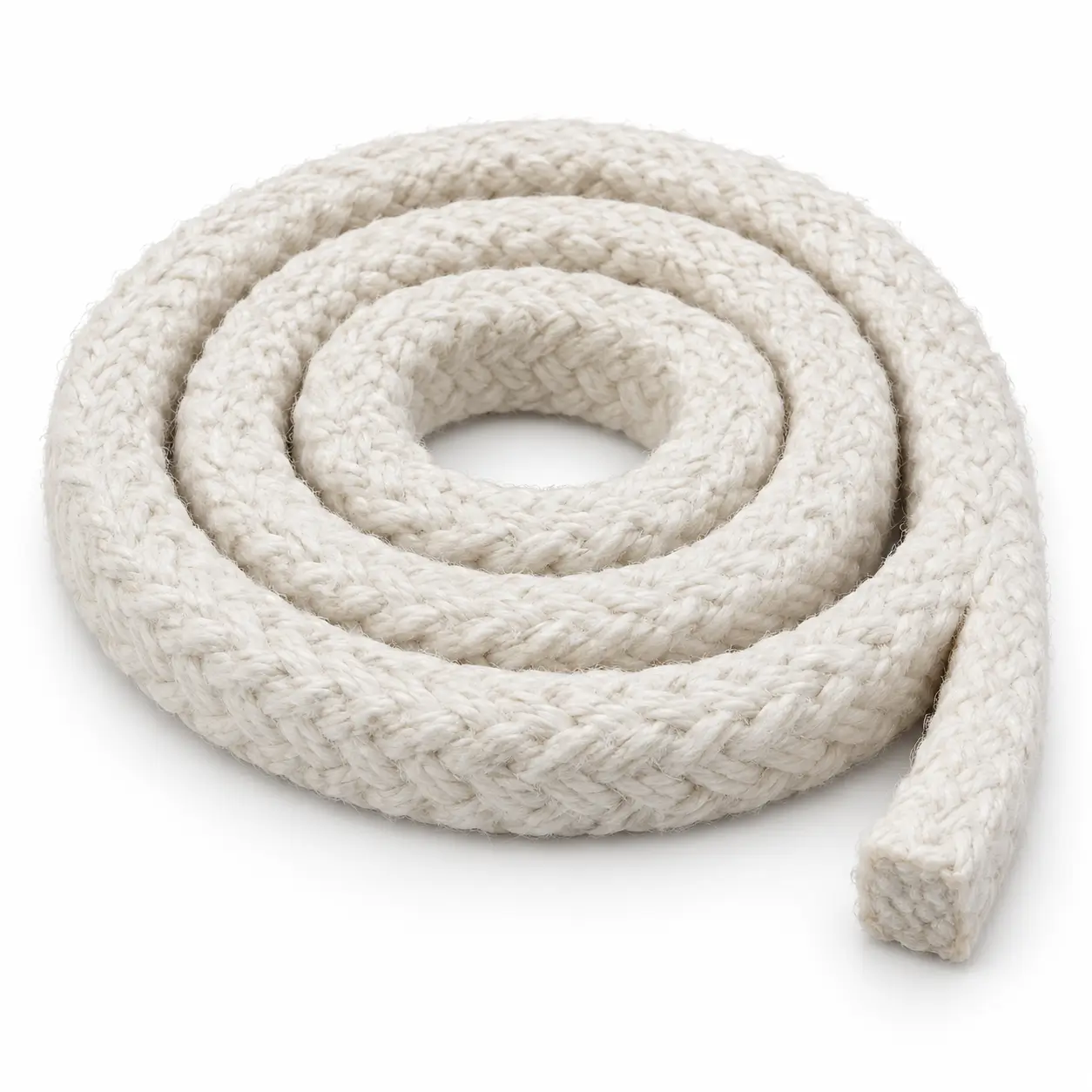
Pain point scenario: A steam valve leaks at the gland, or a low-speed pump starts scoring the shaft after a packing change. The buyer receives quotes for several braid styles but no clear guidance on density, lubrication, or installation clearance. The result is a trial-and-error order that delays the shutdown.
Solution: Match the packing to the motion. For static valve stems, focus on compression recovery and heat resistance. For low-speed rotary equipment, check shaft speed, runout, cooling, and flush plans. Cut rings cleanly, stagger joints, and use a lantern ring where the gland design requires it. Ningbo Kaxite Sealing Materials Co., Ltd. can review the line data and recommend a braid construction before the purchase order is released.
| Equipment | Typical Temperature | Typical Pressure | Motion or Speed | Recommended Check |
|---|---|---|---|---|
| Steam valve | Up to 650 °C | Up to 20 bar | Static | Stem straightness, gland clearance |
| Thermal oil valve | 300–500 °C | Up to 25 bar | Static | Media compatibility |
| Low-speed slurry pump | 200–400 °C | Up to 10 bar | Below 5 m/s | Shaft runout, flush plan |
| Hot air fan | 300–600 °C | Low pressure | Below 10 m/s | Cooling and clearance |
| Expansion joint | 600–1000 °C | Low pressure | Movement | Anchor and braid density |
Pain point scenario: A process line handles flue gas with condensate, mild alkali, or thermal cycling. The current packing swells, dries out, or loses compression, and the buyer cannot tell whether the problem is temperature, chemistry, or installation.
Solution: Share the full media list, not just a generic acid or alkali label. Check concentration, pH, moisture, and peak temperature. Ceramic fiber packing suits many hot gas, steam, air, and mild chemical duties, but strong acids, strong alkalis, and hydrofluoric acid service need special review. A sample trial and a written installation plan reduce risk before a full order.
| Parameter | Typical Buying Range | Why It Matters | Buyer Action |
|---|---|---|---|
| pH | 4–10 typical | Strong acids or alkalis can attack fibers | Share the full media list |
| Temperature | 200–1000 °C | Above the limit, fibers embrittle | Add a peak-temperature margin |
| Thermal cycling | Moderate to high | Repeated expansion can loosen packing | Use dense braid and a re-torque plan |
| Pressure | Low to medium | High pressure needs gland support | Confirm gland design |
| Media | Steam, flue gas, air, mild chemicals | Dust and salts affect service life | Request a sample test |
Pain point scenario: A purchasing team sends a simple request for “ceramic fiber packing, 10 mm,” and receives offers with different fiber grades, braid structures, and lubrication. Without a shared specification, the lowest price may win the order but lose the shutdown.
Solution: Build a one-page data sheet before asking for prices. Include continuous and peak temperature, operating and design pressure, media name and concentration, shaft speed, motion type, cross-section, length, and gland condition. This gives suppliers a fair basis for comparison and helps Ningbo Kaxite Sealing Materials Co., Ltd. confirm the right construction, packing density, and installation guidance.
| Parameter | What to Send | Example | Risk If Missing |
|---|---|---|---|
| Temperature | Continuous and peak | 650 °C continuous, 800 °C peak | Early failure |
| Pressure | Operating and design | 10 bar operating | Extrusion or blowout |
| Media | Chemical name and concentration | Steam, flue gas, 5% alkali | Chemical attack |
| Speed | Shaft speed and motion | Static valve, 3 m/s rotary | Wear and heat buildup |
| Size | Cross-section and length | 10 mm × 10 mm | Leakage and gland damage |
| Gland condition | Clearance and stem finish | 0.3 mm clearance | Shaft scoring |
Pain point scenario: Buyers often receive technically different offers for the same line item. The commercial team needs quick answers that reflect the real application, not a generic catalog claim.
Solution: Use the two questions below as a starting filter, then confirm the final choice against the parameter tables above.
Q1: What Are the Best Applications for Ceramic Fiber Packing in a steam plant? The best fits are high-temperature valve stems, boiler manhole gaskets, furnace door seals, expansion joints, and low-speed rotary points that see steam or hot gas. For high-speed pumps or tight-clearance dynamic seals, verify the duty with the supplier before ordering.
Q2: What Are the Best Applications for Ceramic Fiber Packing when chemical resistance is the main concern? It is often considered for hot gas ducts, incinerator seals, mild chemical lines, and thermal equipment where pH stays within a moderate range. Strong acids, strong alkalis, and hydrofluoric acid service require a separate material review.
| Question Focus | Best-Fit Applications | Avoid or Review | Buyer Note |
|---|---|---|---|
| Steam plant | Valve stems, boiler gaskets, door seals | High-speed pumps | Confirm pressure and gland clearance |
| Chemical duty | Hot gas ducts, mild chemical equipment | Strong acids, strong alkalis, HF | Send full media list and pH |
Pain point scenario: A buyer approves a sample, but later batches vary in density, size, or finish. The maintenance team blames the material, while the purchasing team has no batch evidence to resolve the claim.
Solution: Treat the supplier review as part of the specification. Ask for fiber grade, braid density, impregnation details, size tolerance, lot traceability, and sample support. Ningbo Kaxite Sealing Materials Co., Ltd. supports buyers with product data, sample evaluation, and order details that reduce mismatch between the sample and the delivered batch.
| Supplier Check | Why It Matters | Evidence to Request |
|---|---|---|
| Fiber grade | Temperature and chemical performance | Batch certificate |
| Braid density | Leakage control and wear life | Inspection report |
| Impregnation | Friction and sealing behavior | Material data sheet |
| Size tolerance | Fit and gland load | Measurement report |
| Traceability | Claims and maintenance records | Lot number |
| Sample support | Trial before full order | Sample test report |
| Lead time | Shutdown planning | Production schedule |
Send your operating temperature, media, pressure, shaft speed, packing size, and gland condition, and the team at Ningbo Kaxite Sealing Materials Co., Ltd. will help you match a practical ceramic fiber packing solution for your line. The company supports industrial buyers with product selection, sample review, and order coordination for high-temperature sealing applications. Visit https://www.mineral-fiber-packing.com or email [email protected] to start the specification review.
Wang, Y., Zhang, L., & Liu, H. (2018). High-temperature sealing performance of braided ceramic fiber packings in industrial furnaces. Journal of Materials Engineering and Performance, 27(9).
Chen, X., Li, J., & Zhao, Q. (2020). Tribological behavior of alumina-silicate ceramic fiber braided composites under dry sliding. Wear, 456–457.
Smith, R. A., & Brown, T. (2017). Compression packing selection for high-temperature valve stems: A practical review. Sealing Technology, 2017(6).
Kumar, S., Rao, P., & Mehta, A. (2021). Thermal stability and chemical resistance of ceramic fiber ropes for industrial sealing. Materials Today: Proceedings, 45.
Garcia, M., Lopez, R., & Torres, J. (2019). Performance of ceramic fiber packings in thermal cycling furnace door seals. Industrial Lubrication and Tribology, 71(4).
Lee, H., Park, S., & Kim, D. (2022). Leakage and friction characteristics of ceramic fiber packing in low-speed rotary equipment. Tribology International, 168.
Zhao, Y., Sun, Q., & Ma, F. (2020). Effect of braid structure on mechanical properties of ceramic fiber packing ropes. Textile Research Journal, 90(11–12).
Novak, P., & Horak, J. (2018). Chemical durability of alumina-silicate fibers in acidic and alkaline media. Ceramics International, 44(15).
Tanaka, K., Mori, Y., & Sato, N. (2021). High-temperature compression recovery of ceramic fiber sealing materials. Journal of the European Ceramic Society, 41(7).
Patel, N., & Shah, R. (2023). Procurement specifications and service life assessment for ceramic fiber packing in process plants. Journal of Industrial Textiles, 53.
-