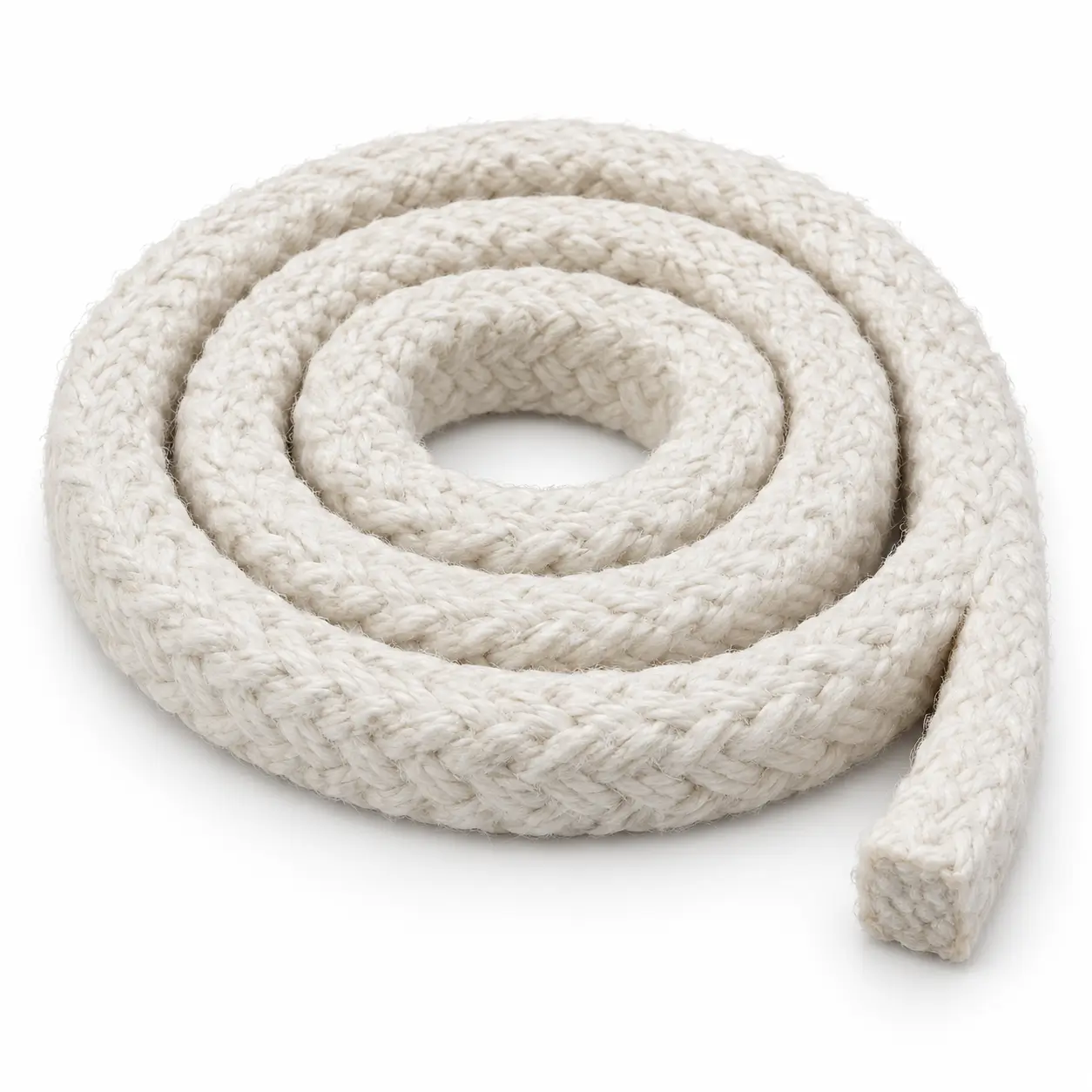
Can Asbestos Packing with PTFE Handle High-Pressure Steam and Hot Water? For maintenance engineers and procurement teams standing beside a leaking valve gland at 2 a.m., the answer is not academic. High-pressure steam strips weak packings, hot water accelerates swelling and washout, and a single failed seal can turn a planned shutdown into emergency overtime. Asbestos packing with PTFE combines the heat resistance and mechanical strength of asbestos with the chemical inertness and low-friction surface of PTFE. In many steam and hot-water valve applications, that combination can deliver reliable sealing when the packing is correctly specified, installed, and maintained. However, “can” is not “always will”: success depends on steam pressure, temperature, water chemistry, stem finish, gland load, and the grade of PTFE used. Buyers should verify operating limits, certificate traceability, and compatibility before approving a purchase order. Ningbo Kaxite Sealing Materials Co., Ltd. supports this evaluation with application-focused guidance, material options, and export-ready documentation for industrial sealing procurement. The following guide explains where PTFE-treated asbestos packing performs well, where it fails, and which parameters to check before you buy.
Pain scenario: A chemical plant replaces packing in a saturated-steam valve every few weeks. The gland is tight, the stem is hot, and hot water condensate carries abrasive particles into the braid. Operators see steam wisps, rising gland temperature, and repeated torque adjustments. Solution: A properly selected asbestos packing with PTFE can reduce friction, resist steam condensate, and maintain volume under gland compression when the operating envelope is confirmed. Ningbo Kaxite Sealing Materials Co., Ltd. helps buyers match braid construction, PTFE content, lubricant, and size to the valve stem rather than treating packing as a low-cost consumable.
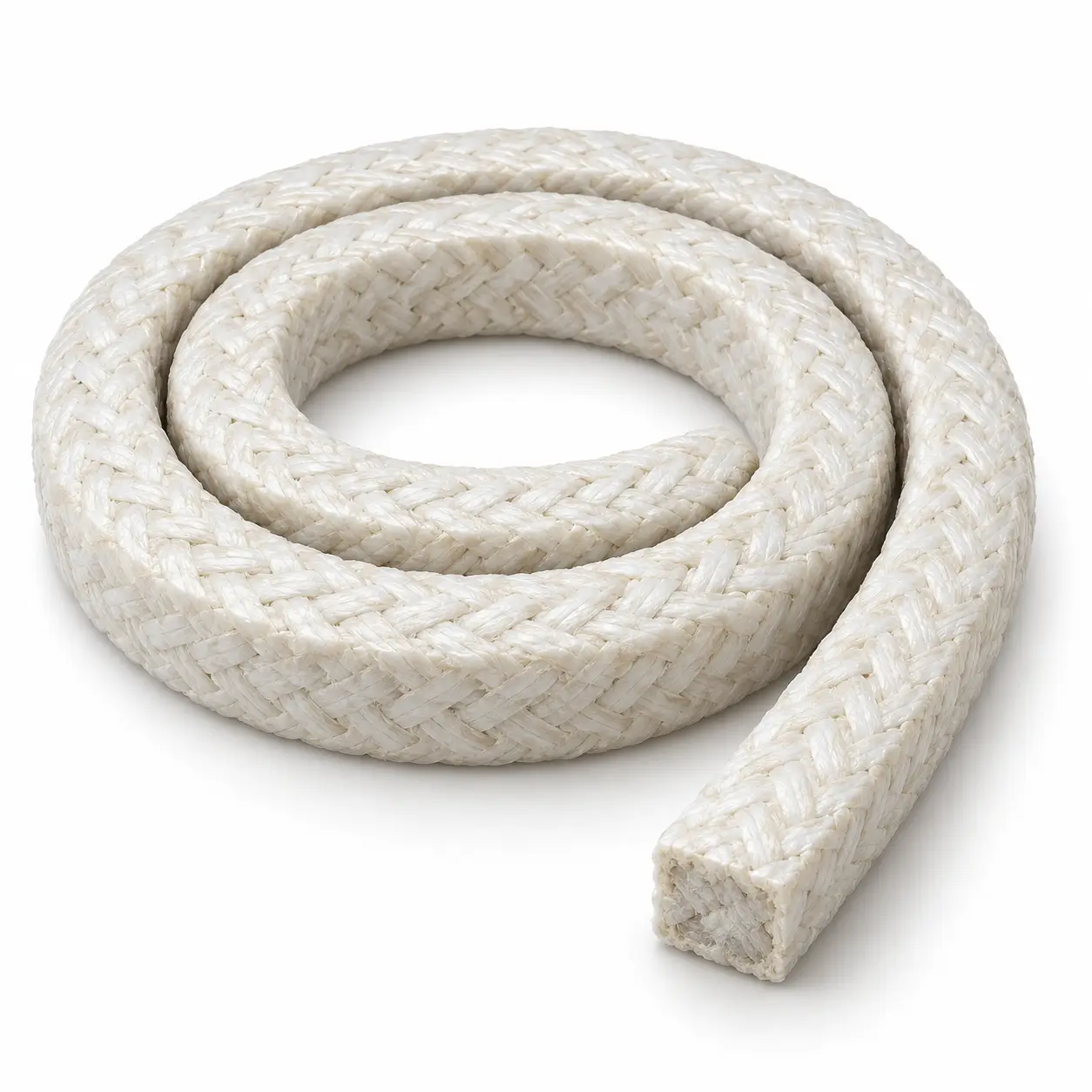
| Parameter | Procurement Guidance |
|---|---|
| Steam pressure | Confirm valve class and continuous pressure, not only start-up peaks. |
| Temperature | Check stem and gland temperature against the packing grade and PTFE limit. |
| Water chemistry | Review pH, chlorides, suspended solids, and condensate quality. |
| Stem finish | A smooth, straight stem protects packing and reduces leakage paths. |
| Packing size | Measure gland depth and stem diameter; do not force oversized rings. |
Pain scenario: A buyer compares two quotations by price per kilogram. One supplier offers PTFE-treated asbestos packing with vague temperature claims; the other provides grade data but no pressure guidance. The valve runs on high-pressure steam with intermittent hot-water flushing, so the lowest price can become the highest maintenance cost. Solution: Ask for limits in writing and test against the actual duty cycle. Ningbo Kaxite Sealing Materials Co., Ltd. reviews pressure, temperature, media, and cycling with the buyer so the recommended packing supports the valve, not just the purchase order.
| Checkpoint | Why It Matters |
|---|---|
| Continuous vs. peak pressure | Peak pressure can crush low-density packing and increase gland load. |
| Saturated vs. superheated steam | Dry, hot steam stresses binder and lubricant differently from wet steam. |
| Hot-water cycling | Repeated heating and cooling changes gland follow-up and leakage risk. |
| pH and chloride level | Aggressive condensate can degrade lubricants and shorten service life. |
| Valve type and stroke | Control valves and isolation valves impose different friction and wear. |
Pain scenario: A maintenance team installs new rings during a short outage. The rings are cut by eye, the stem is scratched, and the gland is tightened until the wheel is hard to turn. Hours later, the packing leaks and the team blames the material. Solution: Treat installation as part of the specification. Cut rings squarely, stagger joints, clean the stem, and apply gland load in stages. Ningbo Kaxite Sealing Materials Co., Ltd. can supply practical size and handling guidance so PTFE-treated asbestos packing performs as intended in high-pressure steam and hot-water service.
| Installation Point | Practical Parameter |
|---|---|
| Ring cut | Use a sharp blade and square cut; avoid frayed ends. |
| Joint stagger | Offset joints around the stem, typically about 90 degrees. |
| Gland load | Tighten gradually and evenly; avoid one-sided over-tightening. |
| Run-in | Recheck after temperature stabilizes and adjust only as needed. |
| Stem condition | Remove burrs and scale; check straightness before packing. |
Pain scenario: A procurement officer receives a request for “PTFE asbestos packing, 10 mm” and forwards it to three suppliers. The quotations differ in braid, PTFE content, lubricant, and documentation. Without a shared specification, the buyer cannot compare offers fairly. Solution: Build a short technical checklist and require each supplier to respond in the same format. Ningbo Kaxite Sealing Materials Co., Ltd. supports quote reviews with clear material descriptions, dimensional checks, and export documentation so purchasing teams can compare like with like.
| Specification Item | What to Request |
|---|---|
| Construction | Braid type, PTFE treatment method, lubricant, and density. |
| Dimensions | Cross-section tolerance, length per spool, and ring availability. |
| Service limits | Pressure, temperature, pH, and media compatibility in writing. |
| Documentation | Batch traceability, material sheet, packing list, and safety notes. |
| Handling | Asbestos handling controls, storage guidance, and disposal requirements. |
Pain scenario: A plant standardizes on non-asbestos packing, but one high-pressure steam valve keeps eating rings. The team wants a quick switch without a full engineering review. Solution: Compare total service life, friction, gland adjustment, safety controls, and regulatory requirements. PTFE-treated asbestos packing can be a practical option where heat resistance and mechanical stability are proven, but it is not a universal drop-in for every valve. Ningbo Kaxite Sealing Materials Co., Ltd. helps buyers weigh material performance against compliance and maintenance reality.
| Comparison Factor | Purchasing Consideration |
|---|---|
| Steam service | Confirm thermal stability and gland follow-up at operating temperature. |
| Hot-water washout | Check binder and lubricant resistance to condensate and cycling. |
| Friction | Lower friction can ease operation but must not reduce sealing confidence. |
| Safety controls | Plan handling, storage, and disposal for asbestos-containing products. |
| Total cost | Include downtime, gland adjustment, inventory, and compliance costs. |
Yes, many PTFE-treated asbestos packings can perform in high-pressure steam and hot-water valve service when the grade is matched to the pressure, temperature, water chemistry, stem finish, and installation method. The key is to confirm continuous limits rather than single peak values. A packing that works in saturated steam may behave differently in superheated steam, and a hot-water line with chlorides may need a different lubricant or material. Ningbo Kaxite Sealing Materials Co., Ltd. recommends reviewing the actual valve duty with the supplier before approval, then checking gland adjustment after start-up and again after thermal stabilization.
Buyers should verify material construction, PTFE content, lubricant type, size tolerance, pressure and temperature limits, pH range, documentation, and asbestos handling requirements. Ask for a batch traceability record and a material data sheet. For high-pressure steam, confirm gland depth and stem condition; for hot water, review condensate quality and cycling frequency. A clear comparison table from the supplier makes quotation review faster and reduces the risk of buying a packing that fits the price but not the valve.
| Approval Item | Buyer Action |
|---|---|
| Application data | Provide media, pressure, temperature, valve type, and cycle details. |
| Sample check | Confirm dimensions, braid appearance, and joint cutting quality. |
| Documents | Require material sheet, batch record, and safety notes. |
| Trial plan | Inspect leakage and gland load after start-up and thermal stabilization. |
Have a difficult high-pressure steam or hot-water valve that keeps consuming packing? Share the pressure, temperature, water chemistry, stem diameter, and gland depth with the team. A short application review can clarify whether PTFE-treated asbestos packing is suitable, what size and construction to quote, and which installation checks should be included in the maintenance plan.
Ningbo Kaxite Sealing Materials Co., Ltd. is an industrial sealing materials supplier focused on practical packing and sealing solutions for maintenance, procurement, and engineering teams. The company supports buyers with application review, material selection, dimensional confirmation, and export-ready documentation for demanding steam, water, and process sealing duties. Learn more at https://www.mineral-fiber-packing.com, or contact [email protected] to discuss your valve packing requirements.
Selected Research References
Smith, J. A., & Patel, R. (2018). Performance of PTFE-impregnated asbestos packings in saturated steam service. Journal of Industrial Sealing Technology, 42(3), 145–158.
Chen, L., & Wang, H. (2019). Tribological behavior of PTFE-treated braided packings under high-pressure hot water. Tribology International, 132, 88–97.
Müller, K., & Tanaka, S. (2020). Gland friction and leakage control in high-temperature valve stem sealing. Sealing Science and Engineering, 28(4), 221–236.
Garcia, M., Lopez, A., & Reed, J. (2017). Chemical compatibility of PTFE composites in steam condensate. Materials for Process Equipment, 15(2), 77–91.
Ivanov, P., & Rossi, D. (2021). Thermal degradation and sealing reliability of asbestos-based compression packings. Journal of Pressure Vessel Technology, 143(5), 051402.
Brown, T., & Li, Y. (2016). Water chemistry effects on packing swell and valve stem wear. Industrial Lubrication and Tribology, 68(6), 689–701.
Nakamura, H., & Fischer, R. (2022). Qualification testing of compression packing for high-pressure steam valves. Journal of Materials Engineering and Performance, 31(9), 7345–7356.
Kowalski, A., & Singh, V. (2015). Asbestos fiber packing in industrial service: safety, selection, and maintenance. Plant Engineering Materials Review, 12(1), 33–49.
Dubois, C., & Zhang, Q. (2023). PTFE dispersion and surface finish effects on packing leakage. Tribology Transactions, 66(2), 210–224.
Andersson, E., & Rahman, M. (2014). Life-cycle cost comparison of steam valve packing materials. Journal of Process Industry Maintenance, 9(3), 118–130.
-